




-
Recent Posts
- “My Partner Wants to Use WordPress Because 50% of the Web Uses It. Help!”
- Does EmDash Solve WordPress’s Problems, or Do You Need UltimateWB?
- How Not to Use AI: Stanford University Can Tell You
- Best Website Builder for SEO: WordPress vs. Wix vs. UltimateWB
- How to Make Sure Your Website Colors Have Enough Contrast for Accessibility
- Mobile-Friendly Website Checklist: 20 Things to Check
- Beehiiv Website Builder Review: The Problem Isn’t the Design – It’s the Lack of Control
- Elementor’s “Angie” AI Is More Than Bloat: Credits, Subscriptions, and a Growing Platform Problem
- How to Pass Google Business Profile Video Verification for Service Businesses
- The Great Deskilling: Why AI Dependence is Turning Developers into Prompt Babysitters
- The Three-Month Fuse: The Everest Forms Pro Attack and Why a Patched Plugin Can Still Put Websites at Risk
- Computer Screen Has Black Bars on the Sides: How to Fix It
- Could AI Make Humans Extinct Within the Next Decade?
- Is Weebly Getting Out of the Website-Builder Business?
- Are You “Leaking SEO” by Linking to Other Websites?
- Wix Harmony Is Now in Google Gemini. So Why Are Users Still Complaining?
- When AI Sounds Confident but Gets It Wrong: The Mount Shasta Rescue
- When AI Agents Start Working Together, Who Is Really in Control?
Categories
Tag Archives: search engine ranking
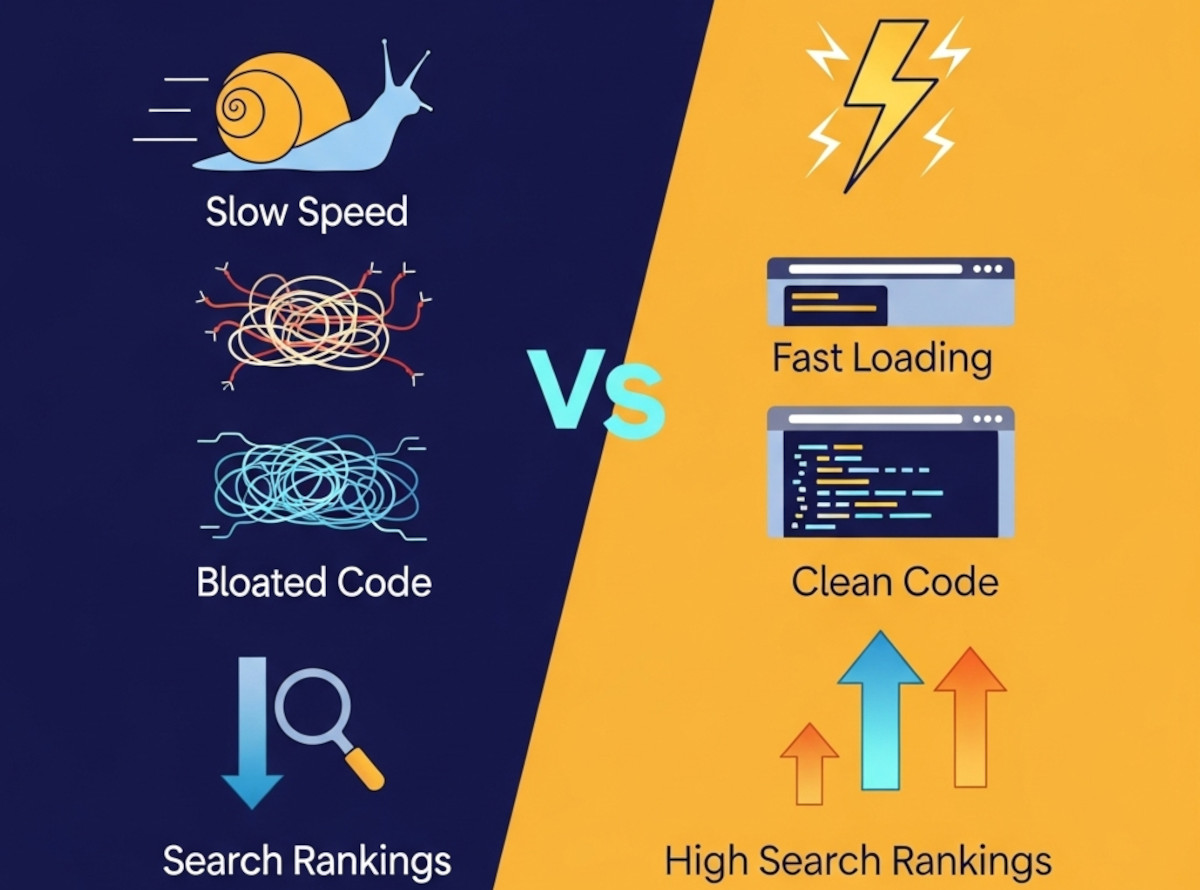
What Many “Best Website Builder for SEO” Articles Get Wrong

UltimateWB is a website builder designed around SEO fundamentals: clean, crawlable code, fast performance, built-in SEO tools, and full control over hosting and server configuration.
Search for “best website builder for SEO” and you’ll usually see the same names repeated: WordPress, Wix, Webflow, Shopify, Squarespace.
That repetition isn’t accidental. Many of these lists favor platforms with strong brand recognition and large affiliate programs - factors that don’t always correlate with technical SEO quality.
This article
... Continue reading
Posted in Compare Website Builders, Search Engine Optimization (SEO)
Tagged best website builder for seo, bloat, caching, clean code, clean code SEO, clean url, core web vitals, crawlability, css, custom code, dom size, downloadable website builder, engagement, fast load times, fast website, flexibility, high-quality content, hosted platform, html, javascript, meta description, meta tags, meta title, page experience, page speed, page speed insights, performance, php, ranking factor, rankings, redirect, saas, saas platform, saas website builder, scalability, search engine optimization, search engine ranking, security risks, self-hosted website builder, seo, seo comparison, SEO fundamentals, seo mistakes, SEO tips 2025, seo-friendly urls, sitemap, sitemap generator, technical seo, third-party plugins, url structure, website builder comparison, website builder features, Website Builder SEO, website maintainance, website performance SEO, website speed
Leave a comment
Signs Your Website Content Is Too Focused on Keyword Targeting

"Ask David" Question: "How can I tell if my website content is over-optimized for keywords, or if it’s actually useful for visitors?"
Short answer
If your content sounds unnatural, repeats the same phrases, or feels written for search engines instead of people, it’s probably over-optimized - and that can hurt rankings instead of helping them.
Modern SEO rewards clarity, usefulness, and intent, not keyword stuffing.
Related: Google Algorithm Penalties Explained: What They Are, Why They Happen, and How
... Continue reading
Posted in Ask David!, Search Engine Optimization (SEO), Web Content
Tagged clarity, content quality, keyword optimization, keyword stuffing, on-page seo, search engine ranking, search intent, seo, seo content, seo mistakes, seo mitakes, seo strategy, userful, website content strategy
Leave a comment
Google Algorithm Penalties Explained: What They Are, Why They Happen, and How to Recover

Google doesn’t like surprises. Website owners, on the other hand, often get one they didn’t ask for: a sudden drop in traffic, rankings vanishing overnight, and pages that once dominated search results quietly disappearing.
In most cases, that shock traces back to Google algorithm penalties.
If you’ve ever wondered what Google actually penalizes, how algorithmic penalties differ from manual actions, or whether recovery is even possible, this guide breaks it all down - clearly, accurately, and
... Continue reading
Posted in AI, Search Engine Optimization (SEO), Website Traffic
Tagged ai, AI content, AI-generated content, auto-generated content, backlink cleanup, backlink profile, backlinks, bounce rate, content depth, content quality, core web vitals, crawl, credibility, duplicate content, E-E-A-T, engagement, engagement signals, experience, expertise, fast-loading website, google algorithm, google algorithm penalties, Google algorithm update, google core updates, google panda, google penguin, Google rankings, Google Search Console, helpful content, high-quality content, keyword stuffing, layout shift, link spam, low-quality, mobile-friendly, page experience, search engine optimization, search engine ranking, search intent, search intent match, seo, seo guide, slow load times, slow website, spammy, thin content, thin pages, trust, user experience, ux signals, visibility, website optimization, website traffic
Leave a comment
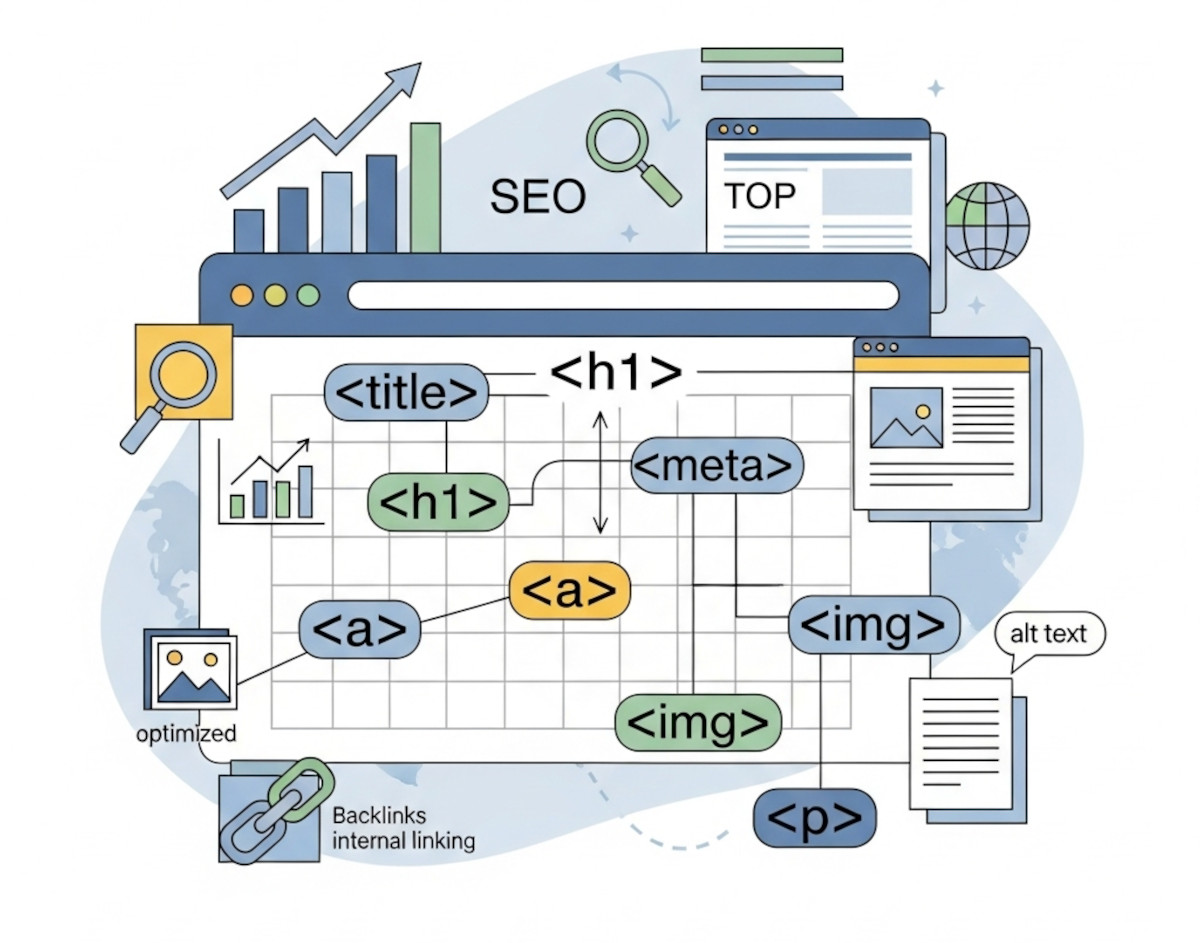
How Clean HTML Can Boost Your SEO (Even Without Coding)

Simple HTML structure tips that can help your site rank better - no coding required
When it comes to SEO, most people think about keywords, backlinks, and blog content. But one of the most overlooked factors behind how your site ranks is the HTML structure.
Even if you’re using a website builder like UltimateWB and never write a line of code, the way your HTML is set up still matters - a lot. The awesome thing
... Continue reading
Posted in Search Engine Optimization (SEO)
Tagged accessibility, alt tag, authority, backlinks, bold, boost traffic, build trust, clean code, click-through rate, ctr, emphasized content, external links, footer, header, headings, high-quality content, html, internal links, italic, keywords, meta description, nav, search engine optimization, search engine ranking, section, semantic tags, seo, structured data, title tag, user experience, valid html
Leave a comment
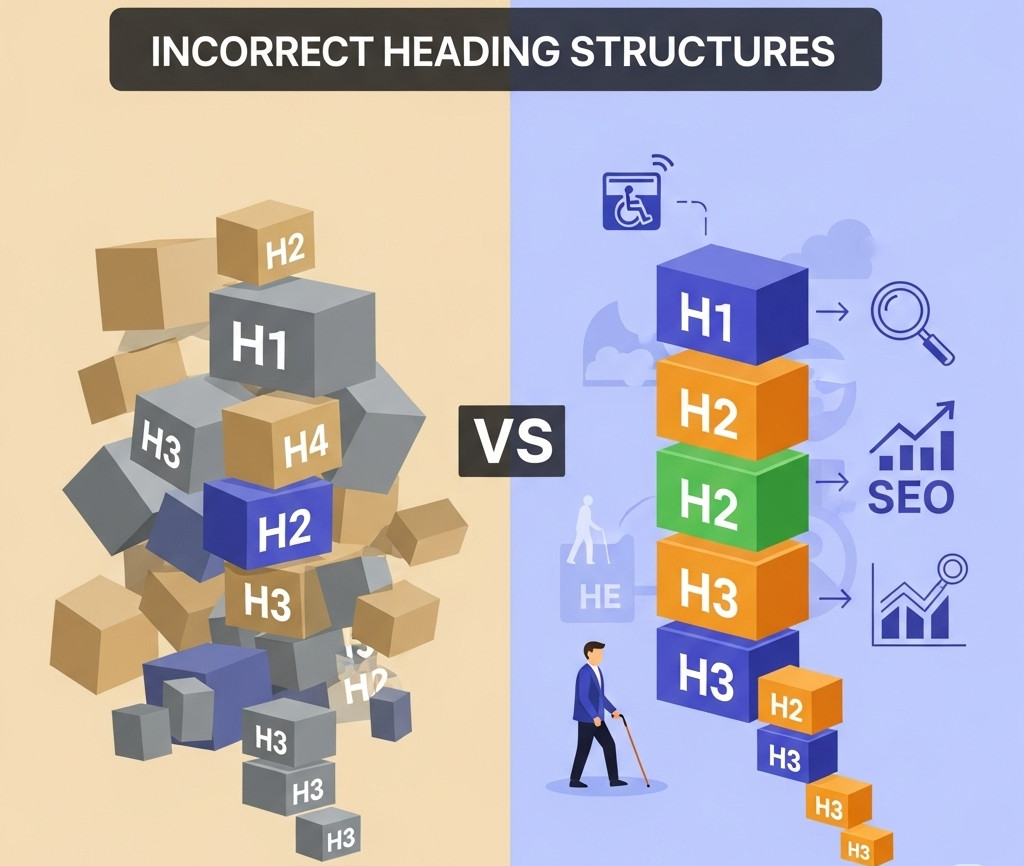
Why an H1 Shouldn’t Come After an H3 – And Why It Matters for SEO and Accessibility

When you're building a website, it's easy to focus on how things look - but how your site is structured under the hood is just as important. One commonly overlooked issue? Incorrect heading order.
We recently came across a website where the first visible heading was an <h3>, and the <h1> appeared after it. While it might not break the layout or cause visible problems, this kind of structure can negatively impact both SEO and accessibility. Here’s why heading
... Continue reading
Posted in Accessibility, Search Engine Optimization (SEO), Website Design
Tagged accessibility, accessibility compliance, assistive technologies, better indexing, clean code, compliance, easy navigation, focus, header, heading, heading order, heading tags, hierarchical structure, hierarchy, indexing, keyword relevance, logical hierarchy, main heading, page quality signals, performance, roadmap, screen readers, search engine optimization, search engine ranking, search engine results, search engines, semantic markers, seo, seo signals, snippets, standards-compliant, subheadings, usability, user experience, visibility, web standards, website structure
Leave a comment
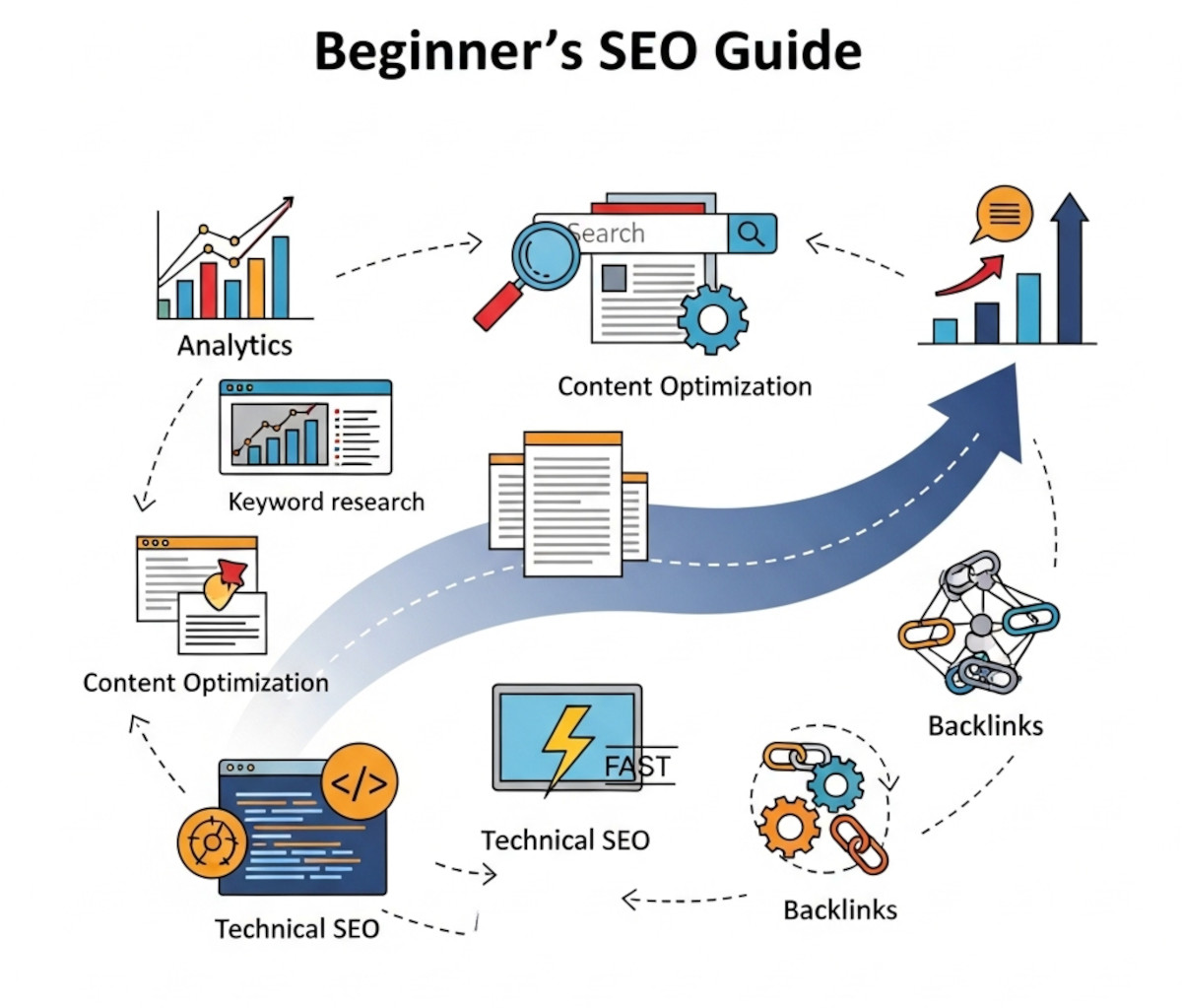
Beginner’s SEO Guide: Step-by-Step Process to Promote Your Business Online

Step 1: Set Up Website Analytics and Tracking
- Why? To understand who visits your site, where they come from, and how they interact with your pages.
- How?
- Create a Google Analytics account and install the tracking code on your website.
- Set up Google Search Console to monitor your website’s presence in Google search results and detect any issues.
Follow these Guides:
... Continue reading
Posted in Search Engine Optimization (SEO)
Tagged ahrefs, alt tag, alt text, authority, backlinks, bloat, bounce rate, broken links, clean code, compress images, conversions, drive traffic, fast load times, fast website, fresh content, google analytics, Google Business Profile, google keyword planner, Google Search Console, headers, headings, https, keyword research, keyword stuffing, lazy-load images, long-tail keywords, meta description, mobile-friendly, plugins, ranking factor, redirect, redirect url, responsive, responsive app, search engine optimization, search engine ranking, secure, seo, short-tail keywords, sitemap generator, sitempa, target audience, target keywords, technical seo, title, tracking, trust, trustworthy, ubersuggest, user experience, webp converter, website analytics, website visitors, xml
Leave a comment
Do Website Builders Hurt SEO?

If you’ve been researching how to improve your website’s SEO, you’ve probably heard the rumor:
“Website builders are bad for SEO.”
But is it true?
The short answer: It depends on the builder.
Let’s break down the facts, so you know what to look for - and what to avoid - when choosing a website builder that won’t hold back your rankings.
Not All Website Builders Are Created Equal
Many drag-and-drop platforms on the market today - like Wix
... Continue reading
Posted in Compare Website Builders, Search Engine Optimization (SEO)
Tagged bloat, clean code, clean urls, compare website builders, fast load times, google ranking, headers, messy code, meta tags, mobile-friendly, plugins, responsive, responsive app, schema, search engine optimization, search engine ranking, seo, seo tools, seo-friendly, sitemap, sitemap generator, structure, user experience, webp converter, WebP images, website builders, website speed
Leave a comment
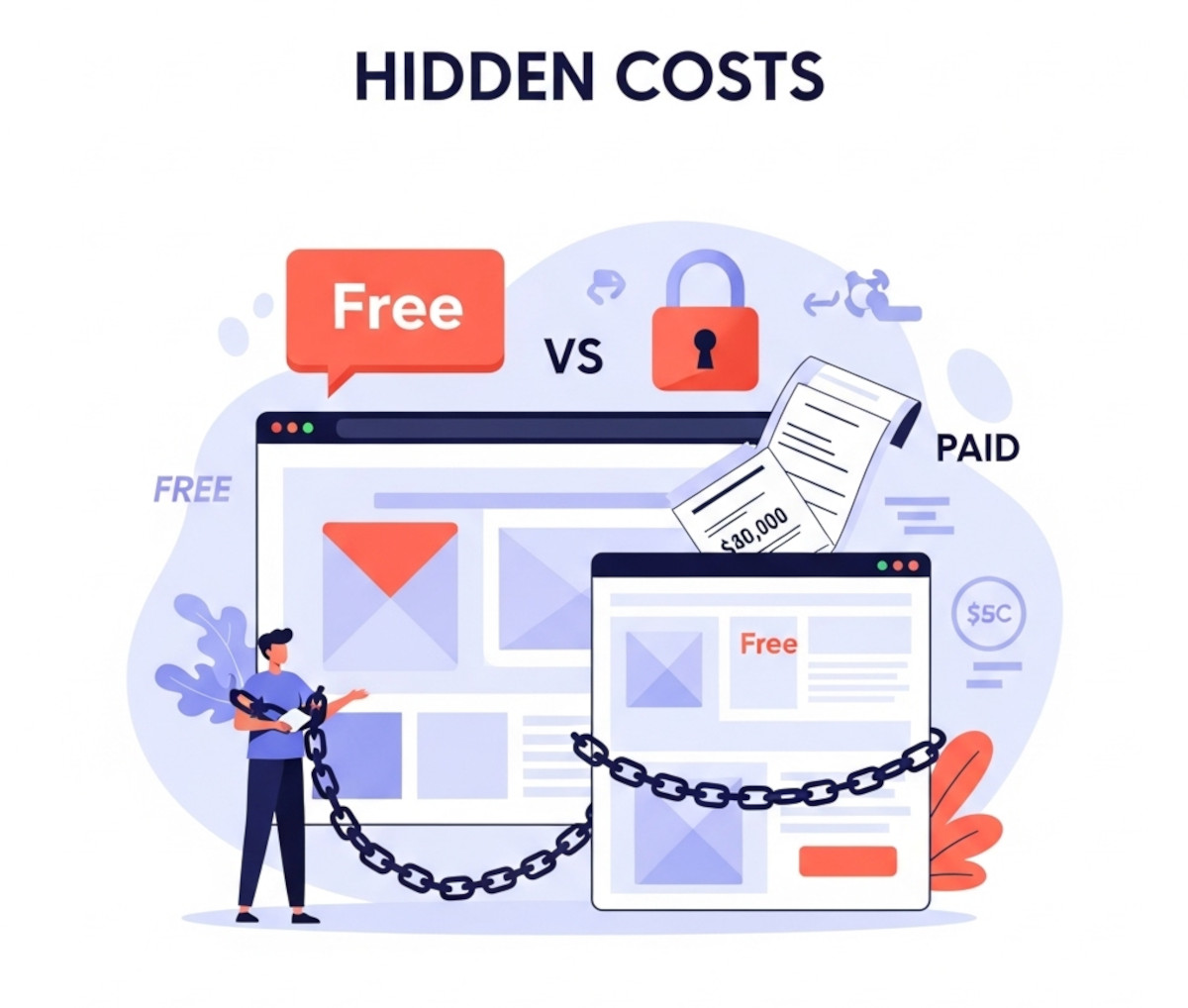
The Hidden Costs of Using Free Website Builders – What They Don’t Tell You

When you see the phrase “free website builder,” it sounds like a dream. Build a site without spending a dime? Who wouldn’t be tempted?
But the truth is, “free” website builders often come with a long list of hidden costs - ones that can quickly turn your free site into a money pit. In this post, we’ll break down the real costs behind so-called free website builders and explain why UltimateWB’s transparent pricing model gives you far more value -
... Continue reading
Posted in Compare Website Builders
Tagged analytics, bloat, branding, branding free, built-in features, clean urls, custom code, custom domain, domain name, free website builder, freemium, hidden costs, one-time fee, page load speed, plugins, search engine optimization, search engine ranking, seo, web hosting choice, webp, webp converter, website speed
Leave a comment
Do Images Help SEO on Blogs and Webpages? What If You Don’t Use Them?

Short Answer:
Images can significantly boost your website’s SEO by improving engagement, visibility, and context. Skipping them won’t get you penalized — but it might cost you traffic and performance.
The Role of Images in SEO: A Deeper Look
Images are more than just decoration - they can be powerful tools for improving your content’s performance in search engines. Whether you're publishing a blog post or building a standard webpage, images can influence everything from how long people stay on
... Continue reading
Posted in Ask David!, Search Engine Optimization (SEO)
Tagged adding images, alt tags, alt text, boost seo, boost traffic, bounce rate, branding, build trust, captions, click-through rate, conversions, credibility, ctr, drive traffic, engaging content, file names, google image search, image search, James Holzhauer, jeopardy!, on-page seo, originality, readability, search engine optimization, search engine ranking, seo, seo potential, seo signals, social sharing, stock photos, stock photos vs original photos, target keywords, unique images, user engagement, user experience, user-friendly, ux, visibility, visual appeal
Leave a comment
Does Google Search Console Show Time on Site? What It Tracks (and What It Doesn’t)

One question we hear a lot from website owners is:
“Can I see how long users stay on my site in Google Search Console?”
The short answer: No.
Google Search Console is designed to show your site's search performance - things like how often your site appears in Google results (impressions), how many people click through, and where your site ranks (average position).
If you want to understand user behavior - like how long people stay on your site, what
... Continue reading
Posted in Ask David!, Search Engine Optimization (SEO), Website Traffic
Tagged average position, bounce rates, click-through rate, clicks, core web vitals, engagement metrics, google analytics, Google Search Console, impressions, mobile usability, mobile-friendly, path analysis, search engine ranking, session duration, technical seo, user behavior, visit duration, website performance
Leave a comment