






-
Recent Posts
- “My Partner Wants to Use WordPress Because 50% of the Web Uses It. Help!”
- Does EmDash Solve WordPress’s Problems, or Do You Need UltimateWB?
- How Not to Use AI: Stanford University Can Tell You
- Best Website Builder for SEO: WordPress vs. Wix vs. UltimateWB
- How to Make Sure Your Website Colors Have Enough Contrast for Accessibility
- Mobile-Friendly Website Checklist: 20 Things to Check
- Beehiiv Website Builder Review: The Problem Isn’t the Design – It’s the Lack of Control
- Elementor’s “Angie” AI Is More Than Bloat: Credits, Subscriptions, and a Growing Platform Problem
- How to Pass Google Business Profile Video Verification for Service Businesses
- The Great Deskilling: Why AI Dependence is Turning Developers into Prompt Babysitters
- The Three-Month Fuse: The Everest Forms Pro Attack and Why a Patched Plugin Can Still Put Websites at Risk
- Computer Screen Has Black Bars on the Sides: How to Fix It
- Could AI Make Humans Extinct Within the Next Decade?
- Is Weebly Getting Out of the Website-Builder Business?
- Are You “Leaking SEO” by Linking to Other Websites?
- Wix Harmony Is Now in Google Gemini. So Why Are Users Still Complaining?
- When AI Sounds Confident but Gets It Wrong: The Mount Shasta Rescue
- When AI Agents Start Working Together, Who Is Really in Control?
Categories
Tag Archives: keyword research
How to Use Google Search Console’s New Generative AI Data to Improve Your SEO

If you run a website, you’ve probably noticed a massive shift in how people find information online. Between AI Overviews at the top of search results and interactive search interfaces like AI Mode, traditional organic search traffic patterns are changing fast.
For a long time, site owners had no clear way to measure this visibility. Google addressed this gap by introducing dedicated Generative AI performance reporting inside Google Search Console (GSC). If the update has rolled out to your Search
... Continue reading
Posted in AI, Search Engine Optimization (SEO)
Tagged AI crawling, ai impressions, ai mode, ai overviews, AI visibility, clicks, crawlers, ctr, Generative AI performance, Google Search Console, Googlebot, gsc, headings, indexing, keyword research, keyword stuffing, keyword targeting, organic traffic, page structure, schema markup, search engine results, search performance, seo, seo strategy, serps, structured data, user experience
Leave a comment
Search Engine First vs. People First Content: Why Generic FAQ Dumps Harm Your SEO

For years, a common SEO tactic dominated web design: take a page, scroll to the bottom, and drop in a generic FAQ block.
The strategy seemed logical on paper. If you added ten accordion-style questions loaded with long-tail keywords, you’d hit a higher word count, capture extra search queries, and bump up your page’s relevance.
Today, that exact strategy can actively hurt your site’s search rankings.
Google’s algorithms have evolved to target what they explicitly term "search-engine-first content" - pages
... Continue reading
Posted in Search Engine Optimization (SEO), Web Content
Tagged ai slop, boost conversions, bounce rate, build trust, clean structure, crawlers, engagement signals, faq, fast website, generate value, google algorithm, help center, helpful content, high-quality content, indexing, keyword research, keyword research tool, keyword stuffing, knowledge base, llm, long-tail keywords, people-first content, search engine ranking, search-engine-first content, seo, target keywords, useful content, user experience
Leave a comment
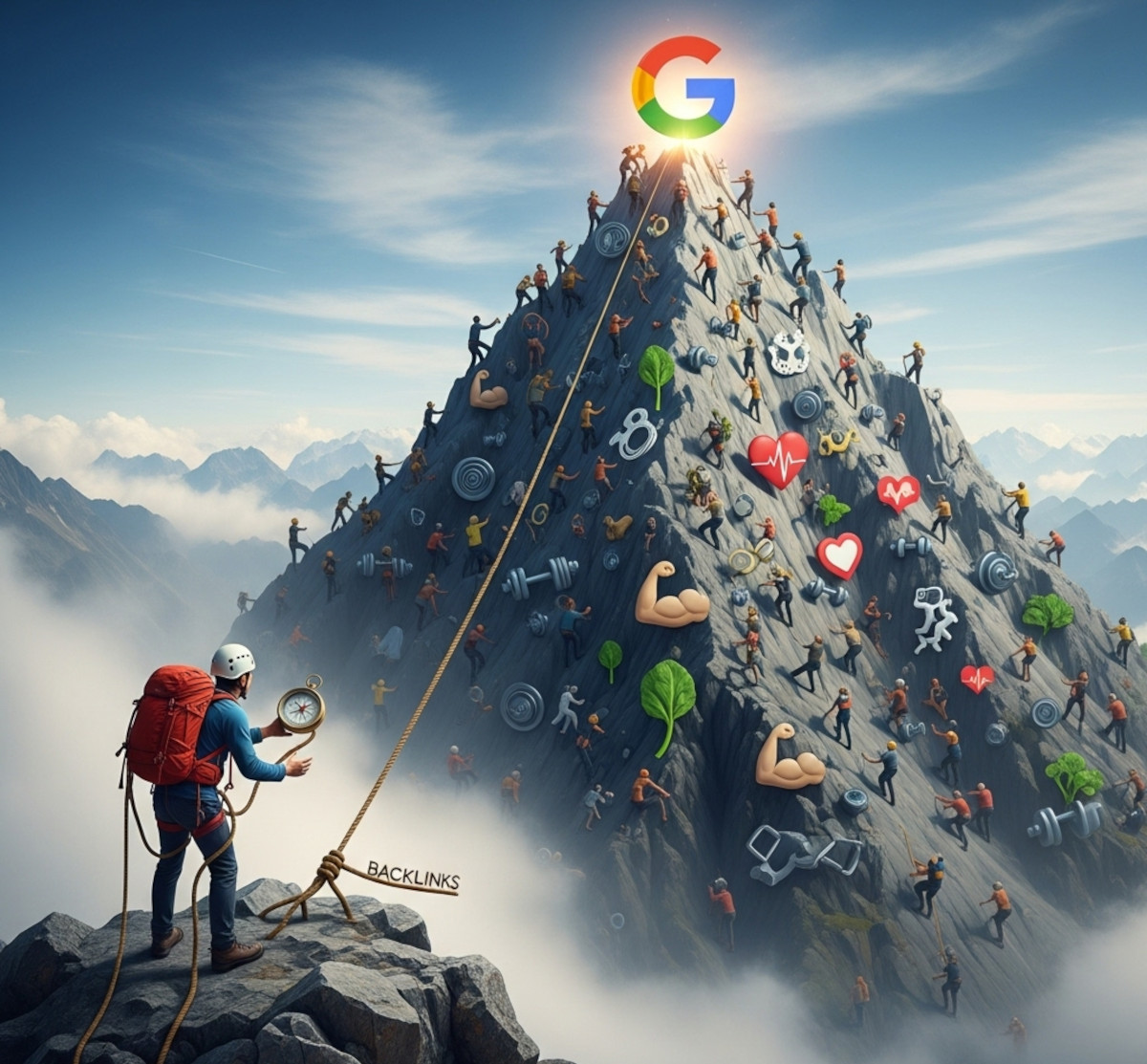
How Hard Is It for a Health and Wellness Blog or Website to Rank on Google?

Starting a health and wellness blog or website can be exciting - you get to share tips on fitness, nutrition, mental health, and overall well-being. But if your goal is to get traffic from Google, there’s a hard truth: ranking in this competitive niche is challenging. Understanding how to rank a health blog effectively is essential for success.
In this post, we’ll explore why ranking a health and wellness blog is difficult, how Google evaluates health content, and practical
... Continue reading
Posted in Ask David!, Search Engine Optimization (SEO)
Tagged ahrefs, alt tag, alt text, authority, backlinks, boost seo, boost traffic, building authority in health niche, competitive health niches, credibility, dwell time, E-A-T, E-E-A-T, eat guidelines, engagement, expertise, fast website, google keyword planner, google search engine ranking, guest posting, health and wellness blog, health blog SEO, health blog traffic, health content strategy, high-quality backlinks, high-quality content, how to rank health blog, influencers, infographics, keyword research, keyword research tool, long-tail keywords, meta description, meta titles, mobile-friendly, multimedia content, niche, on-page seo, podcasts, rank on google, responsive, responsive app, search engine optimization, semrush, seo, SEO for wellness blog, seo mistakes, seo tips, shareable content, styles manager, thin content, trustworthiness, value, videos, wellness website, ymyl, your money or your life
Leave a comment
Why Organic Traffic Is the Best Kind of Traffic (And How to Get More of It)

When it comes to website traffic, not all sources are created equal. Paid ads can offer quick wins, and social media can spark buzz - but organic traffic is the gold standard. It’s steady, scalable, and sustainable.
Here’s why organic traffic stands out and why it should be at the core of your digital strategy.
1. It’s Cost-Effective (Long-Term)
Yes, good SEO takes time and effort, whether you’re writing blog posts, optimizing pages, or building backlinks. But once your
... Continue reading
Posted in Search Engine Optimization (SEO), Website Traffic
Tagged authority, backlinks, bounce rate, brand authority, buy ads, content marketing, conversions, credibility, digital marketing strategy, domain authority, engagement, fast loading times, fast website, fast-loading website, high-quality content, inbound marketing, keyword research, long-term growth, mobile-friendly, organic traffic, paid ads, responsive app, return on investment, roi, search engine optimization, seo, social media, structure, targeted traffic, trust, user experience, user intent, website speed, website structure, website traffic sources
Leave a comment
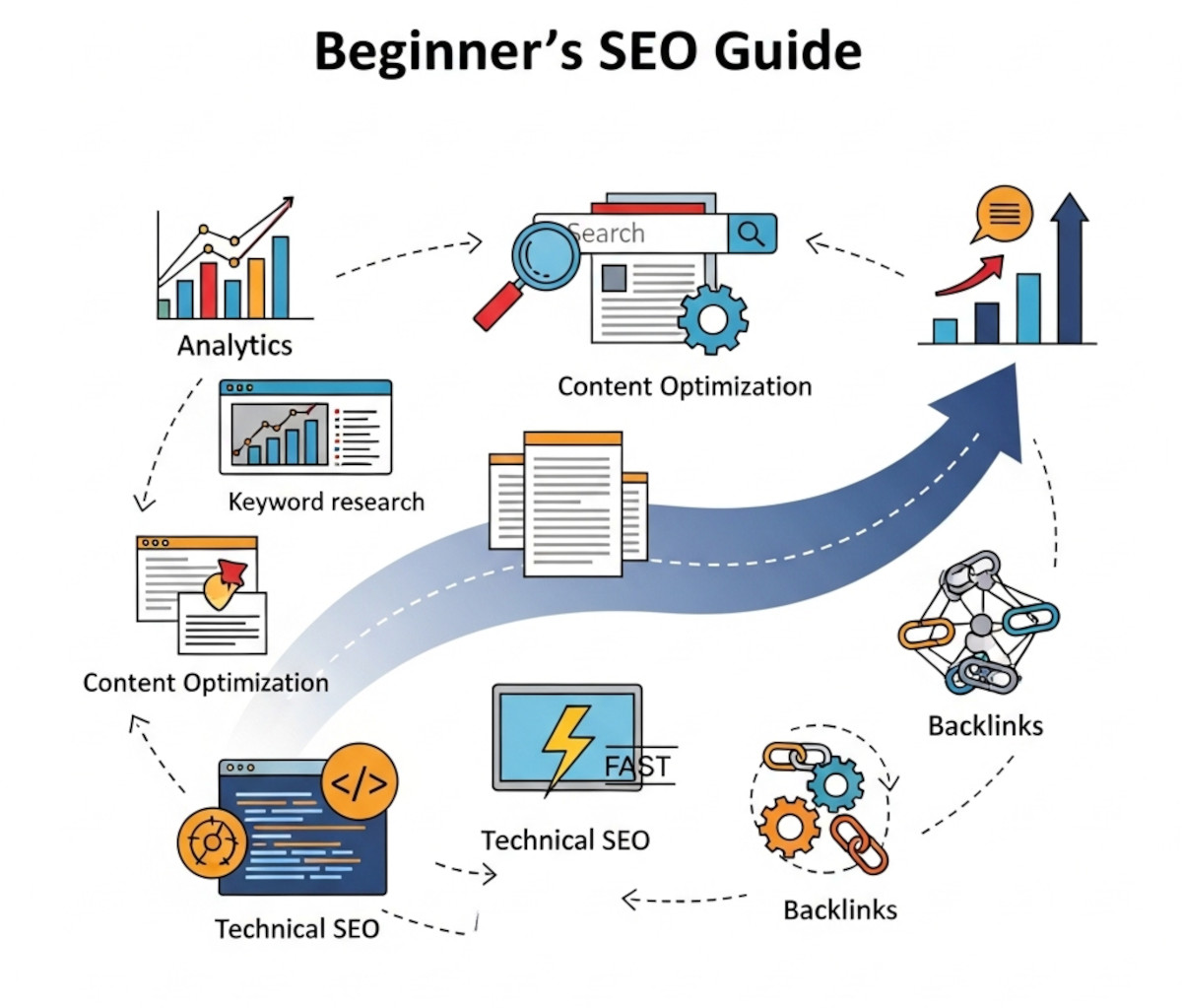
Beginner’s SEO Guide: Step-by-Step Process to Promote Your Business Online

Step 1: Set Up Website Analytics and Tracking
- Why? To understand who visits your site, where they come from, and how they interact with your pages.
- How?
- Create a Google Analytics account and install the tracking code on your website.
- Set up Google Search Console to monitor your website’s presence in Google search results and detect any issues.
Follow these Guides:
... Continue reading
Posted in Search Engine Optimization (SEO)
Tagged ahrefs, alt tag, alt text, authority, backlinks, bloat, bounce rate, broken links, clean code, compress images, conversions, drive traffic, fast load times, fast website, fresh content, google analytics, Google Business Profile, google keyword planner, Google Search Console, headers, headings, https, keyword research, keyword stuffing, lazy-load images, long-tail keywords, meta description, mobile-friendly, plugins, ranking factor, redirect, redirect url, responsive, responsive app, search engine optimization, search engine ranking, secure, seo, short-tail keywords, sitemap generator, sitempa, target audience, target keywords, technical seo, title, tracking, trust, trustworthy, ubersuggest, user experience, webp converter, website analytics, website visitors, xml
Leave a comment
AIO vs GEO vs SEO: What’s the Difference – and How to Optimize for All Three

If you’ve been online lately and you're a web dev like me, you’ve probably heard a lot of hype around AIO (AI Optimization) and GEO (Generative Engine Optimization). These buzzwords are being tossed around as the "new SEO" — but what do they actually mean? And how do they differ practically from traditional SEO?
If you’ve found yourself scratching your head, this post is for you. Let's break it down and get real about what AIO/GEO mean, how
... Continue reading
Posted in Search Engine Optimization (SEO)
Tagged ai optimization, AI tools, AI-generated content, ai-generated snippets, aio, author, authority, authority signals, backlinks, brand mentions, brand visibility, chatgpt, content clustering, faq, faq sections, featured snippets, forums, generative engine optimization, geo, google ai overviews, Google Business Profile, Google rich snippets, google's ai overview, headings, high-quality content, how-to, internal linking, internal links, keyword research, large language models, llm, mobile friendly, natural language, new seo, organization, perplexity.ai, quora, reddit, responsive, responsive app, schema, schema markup, schema.org, search engine optimization, search engines, seo, structured data, subheadings, technical performance, title tag, topical authority, trust, usability, visibility, website speed, wikidata, wikipedia
Leave a comment
How to See the Hidden Number of Search Results on Google (And Why It’s Harder to Find Now)

If you've noticed that Google no longer shows the number of search results right away, you're not imagining things. The result count is still there - just tucked away behind an extra click.
Where Did the Search Result Count Go?
Until recently, Google displayed an approximate number of results (like About 13,220,000,000 results) directly under the search bar on every results page. It was a quick way
... Continue readingWhen Should I Start SEO For My New Website?

If you’re launching a new website, chances are you’ve already heard about SEO - Search Engine Optimization. You know it’s important. You know it helps people find you on Google. But when exactly should you start doing SEO?
Short answer: Yesterday...or weeks ago...
Long answer: The moment you start planning your website - not after it’s built.
Let’s dig into why starting SEO early matters, and how to do it right from day one.
Why Early SEO Matters
... Continue reading
Posted in Ask David!, Search Engine Optimization (SEO)
Tagged ahrefs, backlinks, beginner SEO guide, boost conversions, boost traffic, clean url, crawl, early SEO tips, easy navigation, fast-loading times, fresh content, generate leads, google analytics, Google Business Profile, google keyword planner, Google Search Console, google search engine ranking, headers, headings, high-quality content, index, keyword research, keywords, local seo, meta description, mobile-friendly, search engine optimization, seo, SEO checklist, SEO for new website, SEO website launch, site structure, sitemap, sitemap generator, target keywords, title tag, trust, ubersuggest, visibility, webp, webp converter, website SEO strategy, website speed, when to start SEO
Leave a comment
How to Optimize Your Website for Both Search Engines and Users

Creating content that appeals to both search engines and users is crucial for any website aiming to boost visibility and engagement. A well-optimized webpage ensures that search engines understand its relevance and quality, while also providing users with valuable, engaging, and accessible information. Here are some key strategies to achieve this balance:
1. Conduct Keyword Research
Before you even start writing your content, it’s essential to understand what your target audience is searching for. Keyword research helps identify the
... Continue reading
Posted in Ask David!, Search Engine Optimization (SEO)
Tagged accessibility, ahrefs, authority, backlinks, comments app, comments section, easy navigation, email outreach, engagement, fast-loading times, featured snippets, fonts, forms, forum, fresh content, google analytics, google keyword planner, Google Search Console, Google's algorithm, header tags, high-quality content, integrated blog, interactive, internal linking, keyword research, keyword-rich, keyword-rich urls, long-tail keywords, media outreach, meta descriptions, mobile friendly, natural language, on-page seo, organic traffic, pagespeed insights, polls, polls app, quality, quizzes, relevance, responsive, responsive app, search engine optimization, search engine ranking, semrush, seo, share media, social networking apps, target audience, title tags, ubersuggest, user experience, visuals, wordpress blog integration
Leave a comment
10 Expert Tips for Writing SEO-Friendly Blog Content
Want your blog to rank higher and attract more readers? These 10 expert tips will help you write SEO-friendly content that gets noticed by both search engines and your audience.
1. Start with Keyword Research
Use tools like Google Keyword Planner, Ahrefs, or Ubersuggest to find keywords your target audience is searching for. Focus on a primary keyword and related secondary keywords to guide your content.
Related: Think Twice Before Using Ahrefs’ New Web Analytics: Are You Giving Away
... Continue reading