



-
Recent Posts
- “My Partner Wants to Use WordPress Because 50% of the Web Uses It. Help!”
- Does EmDash Solve WordPress’s Problems, or Do You Need UltimateWB?
- How Not to Use AI: Stanford University Can Tell You
- Best Website Builder for SEO: WordPress vs. Wix vs. UltimateWB
- How to Make Sure Your Website Colors Have Enough Contrast for Accessibility
- Mobile-Friendly Website Checklist: 20 Things to Check
- Beehiiv Website Builder Review: The Problem Isn’t the Design – It’s the Lack of Control
- Elementor’s “Angie” AI Is More Than Bloat: Credits, Subscriptions, and a Growing Platform Problem
- How to Pass Google Business Profile Video Verification for Service Businesses
- The Great Deskilling: Why AI Dependence is Turning Developers into Prompt Babysitters
- The Three-Month Fuse: The Everest Forms Pro Attack and Why a Patched Plugin Can Still Put Websites at Risk
- Computer Screen Has Black Bars on the Sides: How to Fix It
- Could AI Make Humans Extinct Within the Next Decade?
- Is Weebly Getting Out of the Website-Builder Business?
- Are You “Leaking SEO” by Linking to Other Websites?
- Wix Harmony Is Now in Google Gemini. So Why Are Users Still Complaining?
- When AI Sounds Confident but Gets It Wrong: The Mount Shasta Rescue
- When AI Agents Start Working Together, Who Is Really in Control?
Categories
Tag Archives: google search engine ranking
The “AI Employee” Illusion: Why Fully Automated SEO Is Still Marketing Fiction

The tech world is currently obsessed with "autonomous agents." If you scroll through Reddit, X, or tech startup forums, you will inevitably run into viral playbooks written by developers claiming they have successfully replaced their entire marketing department with a machine. The headlines write themselves: "My AI employee runs my SEO while I sleep, and Google has no idea."
These posts offer highly seductive blueprints. They promise that with a simple terminal tool, a few API connections, and a
... Continue reading
Posted in AI, Search Engine Optimization (SEO)
Tagged ai, ai agent, AI hallucinations, AI SEO, ai slop, api, authority, boost traffic, GitHub, google search engine ranking, llm, seo
Leave a comment
How to Fix Crawl Budget Waste and “Crawled – Currently Not Indexed” in Google Search Console

If you've opened the Google Search Console (GSC) Page Indexing report recently and discovered thousands of URLs stuck in the "Crawled – currently not indexed" status, it's easy to assume something is wrong with your content.
Is the content too thin? Is Google penalizing your site? Did an algorithm update hurt your rankings?
In many cases, the answer is much less dramatic: your
... Continue reading
Posted in Search Engine Optimization (SEO)
Tagged crawl budget, crawl trap, crawled - currently not indexed, crawled not indexed, google algorithm, Google Search Console, google search engine ranking, Googlebot, gsc, robots.txt, rss feed, search engine crawl, search engine optimization, search parameter, seo, thin content, thin pages, wasted crawl budget, WordPress
Leave a comment
Why Is Google Indexing New Blog Posts So Much Slower in 2026?

“Ask David!” question: "Google used to index my new blog posts faster, what happened?"
If you logged into your Google Search Console this week and saw your brand-new posts sitting in that annoying "Discovered - currently not indexed" status, don't panic. Most likely your website isn't broken, you haven't been blacklisted, and you didn't accidentally flip a "hide from Google" switch.
What you are feeling is a very real, intentional shift in how Google handles the web.
Here is exactly
... Continue readingThe Right Way vs. The Wrong Way to Do Programmatic SEO (pSEO)

If you’ve been tracking digital marketing trends lately, you’ve likely run across the phrase Programmatic SEO (pSEO). The pitch is incredibly seductive: instead of writing blog posts one by one, you connect a database to a page template, press a button, and instantly deploy thousands of pages targeting long-tail search terms.
Traffic multiplies overnight, you dominate the search engine results pages (SERPs), and you win.
Except, that’s exactly how you get your entire domain penalized and deindexed.
... Continue reading
Posted in Search Engine Optimization (SEO)
Tagged algorithm changes, authority, automated page generation, bloat, core web vitals, database, duplicate content, google algorithm, google algorithm penalties, Google Search Console, google search engine ranking, indexing, long-tail keywords, organic traffic, plugins, programmatic seo, pseo, scalable, scaled content abuse, search engine results pages, seo, serps, spam, thin content, third-party plugins, trust, trustworthy, url structure, visibility, webflow, WordPress
Leave a comment
Why Have My Indexed Pages on Google Decreased? (Real Causes + Fixes Most Sites Miss)

Seeing your indexed pages drop in Google can feel like your website is quietly disappearing.
One day everything looks stable… the next, your index count is down - and you’re left wondering if your rankings are about to follow.
If you’re asking “Why have my indexed pages on Google decreased?”, here’s the reality:
This is common - but it’s not random.
Google doesn’t just “lose” pages. When your indexed count drops, it’s almost always the result of a decision
... Continue reading
Posted in Ask David!, Search Engine Optimization (SEO)
Tagged broken links, cannibalization, canonicalization, crawl efficiency, crawlability, crawled, disallow, duplicate content, engagement, google search engine ranking, indexed pages, indexing, internal links, keywords, noindex, noindex tags, not indexed, redirect chains, redirect loops, redirect url, relevance, reliability, robots.txt, search engine optimization, seo, sitemap, slow website, target keywords, thin pages, trust, user intent, wasted crawl budget
Leave a comment
How to Design a Website From Scratch: The Ultimate Guide for Builders

Starting a new web project is an incredible feeling, but it may come with a common challenge: The Blank Canvas Syndrome. When you have the power of a flexible platform like UltimateWB, the possibilities are endless - which might make it harder to pick a direction when you are new to designing.
To build a professional site, you don't need to be an artist. You just need to balance two things: Logic (the technical structure) and Empathy (the human
... Continue reading
Posted in Website Design
Tagged 5-second rule, accessibility, bloat, color contrast, colors, css, easy navigation, empathy, fast website, google search engine ranking, logic, mobile, navigation, ownership, plugin bloat, plugins, responsive, scalability, search engine optimization, seo, third-party plugins, website design, website speed, whitespace
Leave a comment
Is a Neo Sites “Free” Domain and Website Really Free? The 1-Year Subscription Catch Exposed

If you’ve been searching for a way to get your business online, you’ve likely seen the pitch from Neo Sites: "Free domain, free website, free email." You might even have read it from users on Reddit, wrongly advising Neo Sites offers "Completely free website with free custom domain". It sounds like the ultimate win for a startup on a budget. But it's not - there is a catch.
In short, the website is "free" in the same way a
... Continue reading
Posted in Compare Website Builders
Tagged .com, blog, blogging, catch, domain extensions, email hosting, free domain, free website, google search engine ranking, hosted platform, hosted website builder, locked in, neo sites, one-page website, organic traffic, portability, search engine optimization, seo, tld, traditional tld
Leave a comment
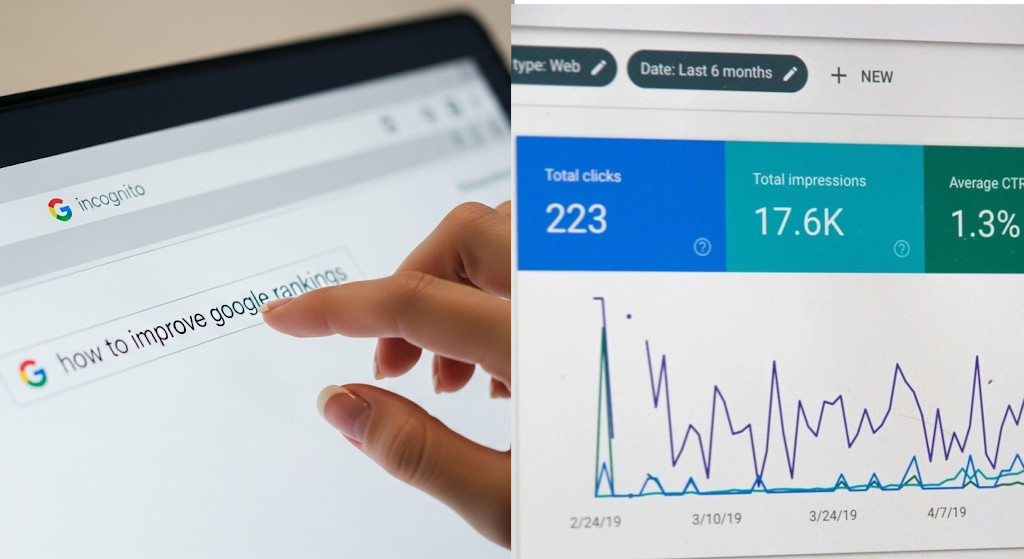
How to Check How Your Web Page or Blog Post is Ranking in Google

If you’ve published a web page or blog post, knowing how it’s performing in search engines is key to improving traffic and SEO. Fortunately, there are several ways to check your ranking. This guide will walk you through the most effective methods.
1. Use Google Search to Check Rankings: Manual Tracking
The simplest way to see how your web page or blog post is performing is to search for it directly. This also allows you to track rankings over
... Continue reading
Posted in Search Engine Optimization (SEO), Website Traffic
Tagged ahrefs, average position, backlinks, blog post ranking, boost traffic, clear cache, click-through rate, clicks, content marketing, content strategy, ctr, featured snippets, google analytics, Google Search Console, google search engine ranking, gsc, impressions, incognito, keyword performance, keyword rankings, keyword tracking, keywords, moz, organic traffic, personalized search, private browsing window, queries, semrush, seo tips, seo tools, target keywords, ubersiggest, web page ranking, website traffic
Leave a comment
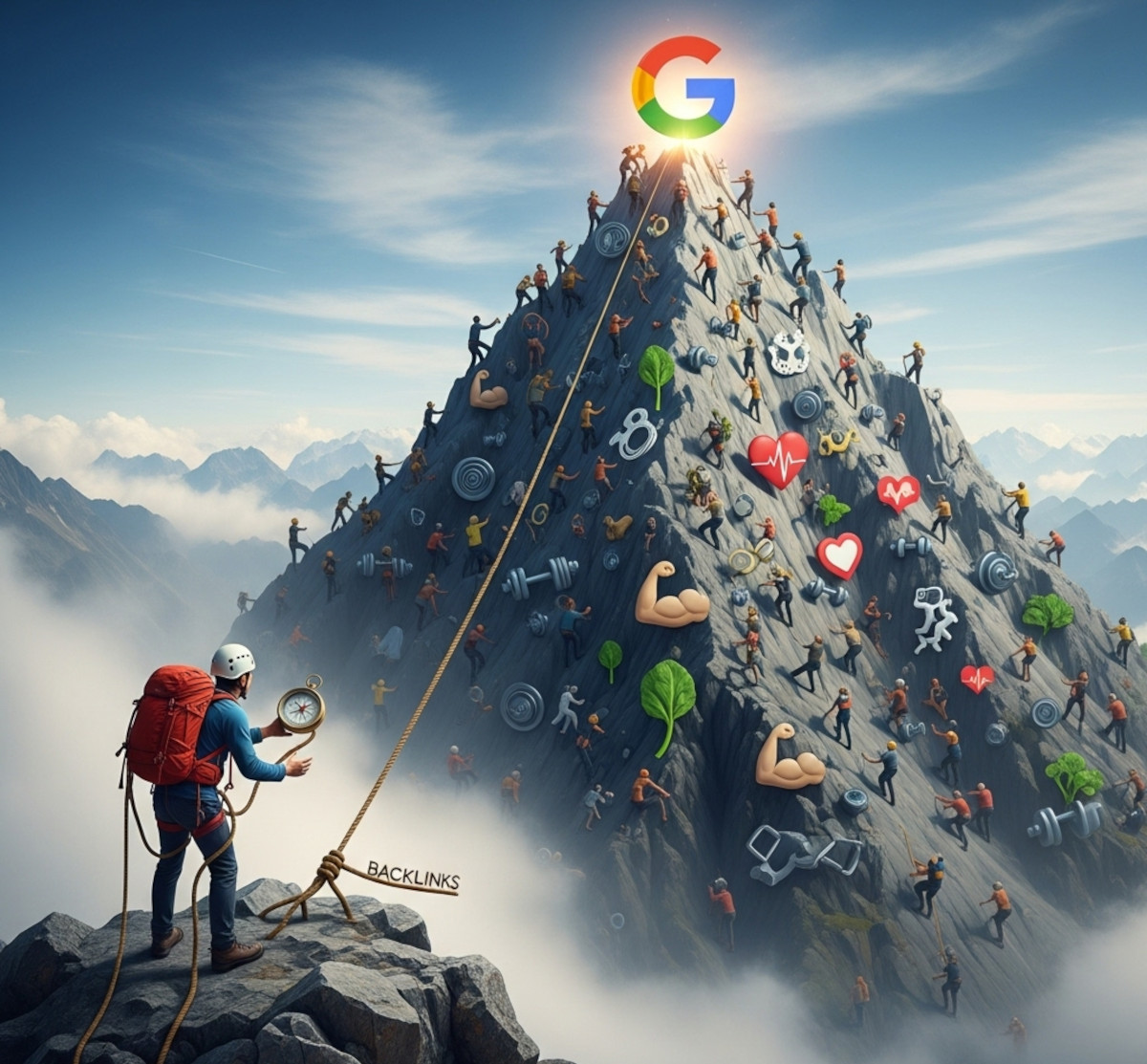
How Hard Is It for a Health and Wellness Blog or Website to Rank on Google?

Starting a health and wellness blog or website can be exciting - you get to share tips on fitness, nutrition, mental health, and overall well-being. But if your goal is to get traffic from Google, there’s a hard truth: ranking in this competitive niche is challenging. Understanding how to rank a health blog effectively is essential for success.
In this post, we’ll explore why ranking a health and wellness blog is difficult, how Google evaluates health content, and practical
... Continue reading
Posted in Ask David!, Search Engine Optimization (SEO)
Tagged ahrefs, alt tag, alt text, authority, backlinks, boost seo, boost traffic, building authority in health niche, competitive health niches, credibility, dwell time, E-A-T, E-E-A-T, eat guidelines, engagement, expertise, fast website, google keyword planner, google search engine ranking, guest posting, health and wellness blog, health blog SEO, health blog traffic, health content strategy, high-quality backlinks, high-quality content, how to rank health blog, influencers, infographics, keyword research, keyword research tool, long-tail keywords, meta description, meta titles, mobile-friendly, multimedia content, niche, on-page seo, podcasts, rank on google, responsive, responsive app, search engine optimization, semrush, seo, SEO for wellness blog, seo mistakes, seo tips, shareable content, styles manager, thin content, trustworthiness, value, videos, wellness website, ymyl, your money or your life
Leave a comment
‘SEO Optimization’: Redundant Buzz Word or Ranking Secret?

“SEO optimization.” Say it out loud. Doesn’t it sound like saying “PIN number” or “ATM machine”? That’s because it is - SEO already means Search Engine Optimization, so adding “optimization” again is technically repeating yourself.
But here’s the twist: tons of people actually search for “SEO optimization.” Because it’s so common, if you want to get found by those people, you need to write and rank for that phrase too.
Why Do People Say “SEO Optimization”?
It’s simple. SEO
... Continue reading
Posted in Search Engine Optimization (SEO)
Tagged acronym, backlinks, boost ranking, boost traffic, fast website, google search engine ranking, high-quality content, keywords, mobile-friendly, organic traffic, redundant, responsive, responsive app, search engine optimization, search engine ranking., search engine results, seo, seo optimization, seo tips, useful content
Leave a comment