





-
Recent Posts
- “My Partner Wants to Use WordPress Because 50% of the Web Uses It. Help!”
- Does EmDash Solve WordPress’s Problems, or Do You Need UltimateWB?
- How Not to Use AI: Stanford University Can Tell You
- Best Website Builder for SEO: WordPress vs. Wix vs. UltimateWB
- How to Make Sure Your Website Colors Have Enough Contrast for Accessibility
- Mobile-Friendly Website Checklist: 20 Things to Check
- Beehiiv Website Builder Review: The Problem Isn’t the Design – It’s the Lack of Control
- Elementor’s “Angie” AI Is More Than Bloat: Credits, Subscriptions, and a Growing Platform Problem
- How to Pass Google Business Profile Video Verification for Service Businesses
- The Great Deskilling: Why AI Dependence is Turning Developers into Prompt Babysitters
- The Three-Month Fuse: The Everest Forms Pro Attack and Why a Patched Plugin Can Still Put Websites at Risk
- Computer Screen Has Black Bars on the Sides: How to Fix It
- Could AI Make Humans Extinct Within the Next Decade?
- Is Weebly Getting Out of the Website-Builder Business?
- Are You “Leaking SEO” by Linking to Other Websites?
- Wix Harmony Is Now in Google Gemini. So Why Are Users Still Complaining?
- When AI Sounds Confident but Gets It Wrong: The Mount Shasta Rescue
- When AI Agents Start Working Together, Who Is Really in Control?
Categories
Tag Archives: semrush
Why Your Domain Rating (DR) Is Still 0 After Building 100+ Backlinks

Imagine dedicating months to an initial SEO outreach campaign, securing over 100 backlinks, and eagerly opening a metric tool like Ahrefs or Semrush only to find a flatline: Domain Rating (DR): 0.
It is an incredibly frustrating scenario that leaves many new website owners convinced that their site is broken or that the system is rigged. But when a site accumulates a steady stream of links without shifting its baseline authority metrics, it is usually caught in a predictable
... Continue reading
Posted in Search Engine Optimization (SEO)
Tagged ahrefs, authority, backlinks, bloat, domain authority, domain rating, dr, fast website, indexed pages, logarithmic scale, no-follow, organic authority, performance, plugin bloat, search engine visibility, semrush, seo, trustworthiness, ugc, user experience, user-generated content
Leave a comment
How to Check How Your Web Page or Blog Post is Ranking in Google

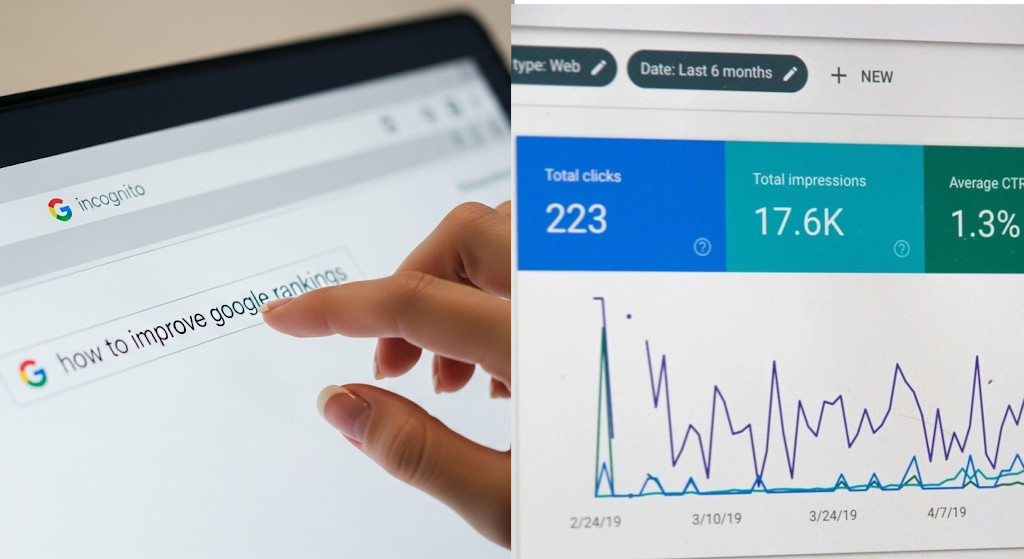
If you’ve published a web page or blog post, knowing how it’s performing in search engines is key to improving traffic and SEO. Fortunately, there are several ways to check your ranking. This guide will walk you through the most effective methods.
1. Use Google Search to Check Rankings: Manual Tracking
The simplest way to see how your web page or blog post is performing is to search for it directly. This also allows you to track rankings over
... Continue reading
Posted in Search Engine Optimization (SEO), Website Traffic
Tagged ahrefs, average position, backlinks, blog post ranking, boost traffic, clear cache, click-through rate, clicks, content marketing, content strategy, ctr, featured snippets, google analytics, Google Search Console, google search engine ranking, gsc, impressions, incognito, keyword performance, keyword rankings, keyword tracking, keywords, moz, organic traffic, personalized search, private browsing window, queries, semrush, seo tips, seo tools, target keywords, ubersiggest, web page ranking, website traffic
Leave a comment
How Hard Is It for a Health and Wellness Blog or Website to Rank on Google?

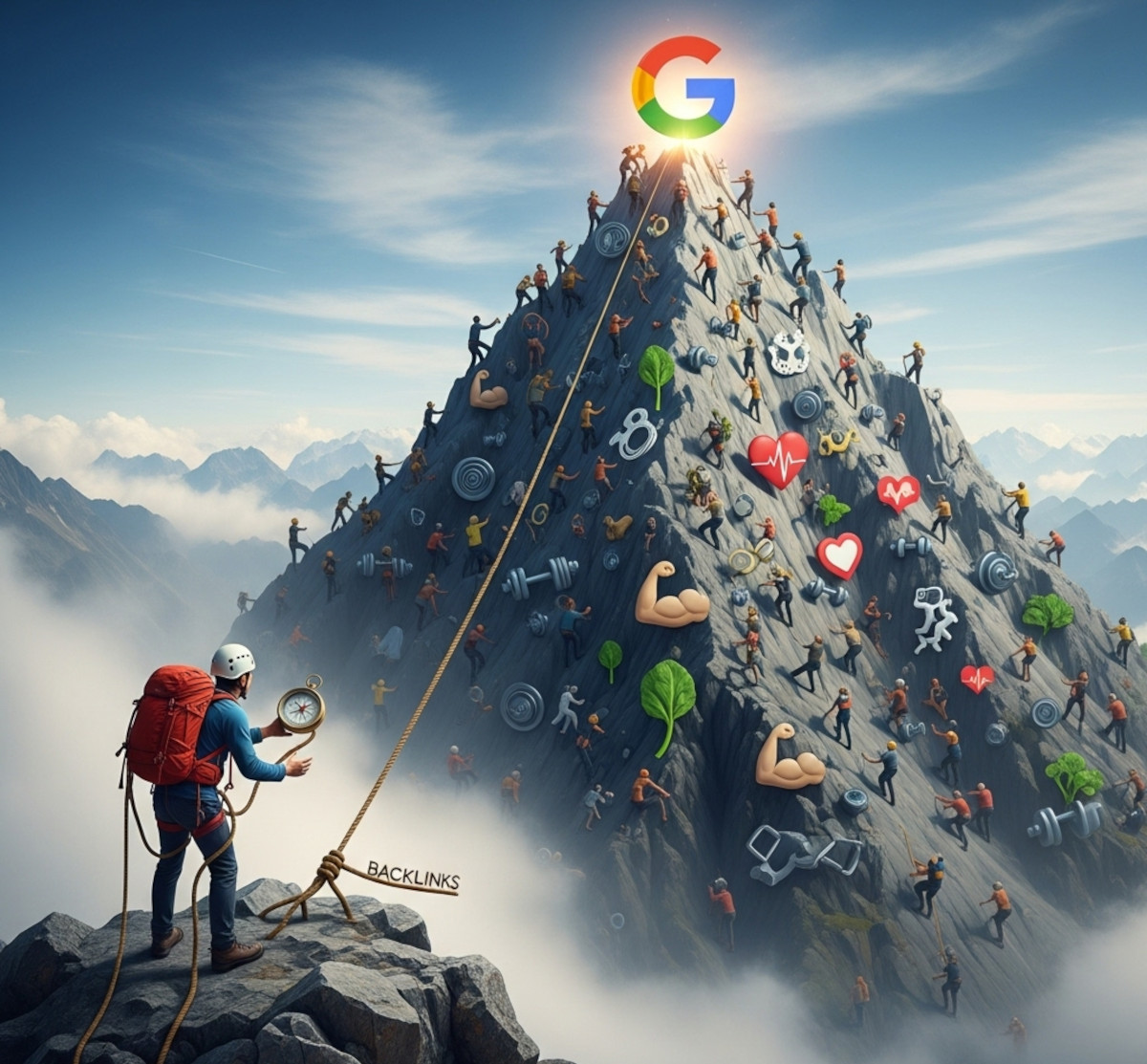
Starting a health and wellness blog or website can be exciting - you get to share tips on fitness, nutrition, mental health, and overall well-being. But if your goal is to get traffic from Google, there’s a hard truth: ranking in this competitive niche is challenging. Understanding how to rank a health blog effectively is essential for success.
In this post, we’ll explore why ranking a health and wellness blog is difficult, how Google evaluates health content, and practical
... Continue reading
Posted in Ask David!, Search Engine Optimization (SEO)
Tagged ahrefs, alt tag, alt text, authority, backlinks, boost seo, boost traffic, building authority in health niche, competitive health niches, credibility, dwell time, E-A-T, E-E-A-T, eat guidelines, engagement, expertise, fast website, google keyword planner, google search engine ranking, guest posting, health and wellness blog, health blog SEO, health blog traffic, health content strategy, high-quality backlinks, high-quality content, how to rank health blog, influencers, infographics, keyword research, keyword research tool, long-tail keywords, meta description, meta titles, mobile-friendly, multimedia content, niche, on-page seo, podcasts, rank on google, responsive, responsive app, search engine optimization, semrush, seo, SEO for wellness blog, seo mistakes, seo tips, shareable content, styles manager, thin content, trustworthiness, value, videos, wellness website, ymyl, your money or your life
Leave a comment
How to Check if Your Website is Showing Up in ChatGPT, Perplexity, Gemini, or Other AI Answers

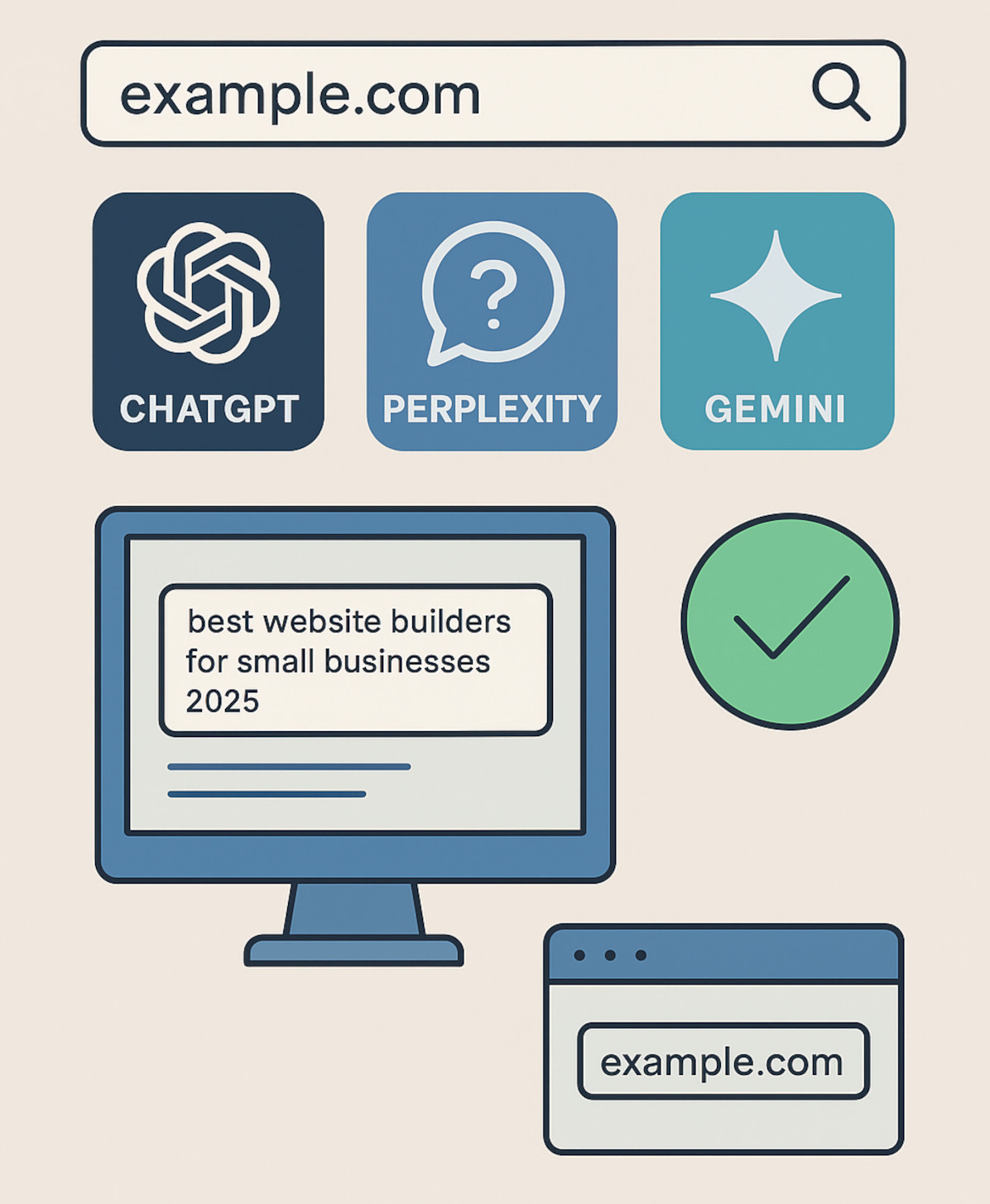
AI tools like ChatGPT, Perplexity, and Google Gemini are quickly becoming the go-to search method for many users. Instead of typing queries into Google, people are getting instant answers directly from AI - sometimes with source links, sometimes without.
If you run a website, the question is simple:
Is your content showing up in those AI answers?
Here’s how you can find out.
1. Manual Testing (The Direct Way)
The most straightforward way to check is to ask
... Continue reading
Posted in AI, Search Engine Optimization (SEO), Website Security
Tagged ahrefs, ai, ai answers, aio, analytics, ao optimization, authority, brand visibility, branding, chatgpt, evergreen, ga4, gemini, google analytics, llm, matomo, niche, perplexity, referral traffic, search engine optimization, semrush, seo, similarweb, target audience
Leave a comment
Should You Fix Meta Tags on Every Page? Here’s When It Matters (and When It Doesn’t)

If you're diving into SEO and using tools like Ahrefs or SEMrush, you may run into a common issue: pages flagged for having meta titles or descriptions that are too long. When this happens on hundreds of pages, it raises a practical question:
Do you really need to fix meta tags on every page? Or just some?
The answer isn’t one-size-fits-all. Let’s break down when meta tags matter, when they don’t, and how to prioritize your time and effort.
... Continue reading
Posted in Search Engine Optimization (SEO)
Tagged ahrefs, click-through rate, ctr, google search engine ranking, google search results, high-quality content, impressions, meta description, meta tags, meta title, metadata, return on investment, roi, search engine optimization, search engine result pages, search snippets, semrush, seo, serps, title tag
Leave a comment
Keyword Cannibalization: Real SEO Issue or Overblown Myth?

"Keyword cannibalization sounds made up - is it actually a thing in SEO?"
Short Answer: It’s real - but not always harmful. Let’s unpack when keyword cannibalization matters, how to spot it, and how to fix it strategically.
🧐 What Is Keyword Cannibalization?
Keyword cannibalization happens when multiple pages on your website target and rank for the same (or very similar) keywords. These pages essentially compete with each other in the search engine results pages (SERPs).
🚨 When Keyword Cannibalization
... Continue reading
Posted in Ask David!, Search Engine Optimization (SEO)
Tagged 301 redirect, ahrefs, authority, backlinks, content strategy, diluted authority, Google rankings, Google Search Console, high-quality content, internal linking, keyword cannibalization, keyword overlap, keywords, long-tail keywords, moz, ranking, search engine optimization, search engine ranking, search engine results pages, semrush, seo, SEO audit, seo blog, seo content, seo issues, seo myths, seo signals, seo tips, SERP diversity, serps, target keywords, thin content, topical authority, user intent
Leave a comment
Why Your Website Ranks Higher in Your Own Searches – But Not for Others

You search Google for one of your target keywords and there it is - your website sitting comfortably near the top of the results.
Great news, right?
Maybe.
Many website owners are surprised when they see high rankings in their own searches but little increase in traffic, leads, or sales. The reason is simple: Google personalizes search results. What you see in Google is often very different from what other people see.
Understanding why this happens can help you avoid
... Continue reading
Posted in Search Engine Optimization (SEO)
Tagged ahrefs, authority, backlinks, click-through rate, credibility, ctr, Google rankings, Google Search Console, high-quality content, incognito mode, intent, location-based search, meta description, organic engagement, organic traffic, page ranking, personalized search, ratings, rich snippets, search engine optimization, search engine ranking, search intent, search results, semrush, seo, SERP tracking, title tag, trustworthiness, trustworthy, website visibility
Leave a comment
How to Leverage Broken Link Building to Get High-Quality Backlinks for Your Website

If you're looking to boost your website’s SEO and authority, broken link building is one of the most effective and ethical strategies to acquire high-quality backlinks. Also known as dead link building or broken link reclamation, this technique turns a website’s problem - a broken link - into an opportunity to offer your valuable, relevant content. It’s a win-win for both parties.
In this guide, you'll learn how to leverage broken link building step-by-step to grow your
... Continue reading
Posted in Search Engine Optimization (SEO)
Tagged ahrefs, ahrefs site explorer, archive.org, authority, backlink profile, backlinks, broken link building, build backlinks, check my links, chrome, domain authority, drive traffic, firefox, google ranking, Google ranking algorithm, high-quality backlinks, high-quality content, link checker, majestic, moz, moz link explorer, ranking factor, screaming frog, screaming from seo spider, search engine optimization, semrush, semrush site audit, seo, user experience, wayback machine, white hat, white hat strategy
Leave a comment
How can I check the SEO ranking of my website?

Understanding how your website ranks in search engine results pages (SERPs) is crucial for online success. This guide outlines various methods for checking your website's SEO rankings, from simple manual checks to advanced tools. By understanding your current ranking, you can identify areas for improvement and implement strategies to increase your online visibility.
1. Manual Checks (Free & Basic)
- Google Search:
- Search for your target keywords: See where your website ranks in the search results.
- Use different search phrases:
Posted in Ask David!, Search Engine Optimization (SEO)
Tagged ahrefs, backlinks, google search, Google Search Console, high-quality content, incognito mode, manual seo checks, moz, se ranking, search engine optimization, search engine ranking, semrush, seo, seo tools, SERP checker tools, SERPmojo, serps, serpstat, SERPWatcher, target keywords, user experience
Leave a comment
How to Optimize Your Website for Both Search Engines and Users
Creating content that appeals to both search engines and users is crucial for any website aiming to boost visibility and engagement. A well-optimized webpage ensures that search engines understand its relevance and quality, while also providing users with valuable, engaging, and accessible information. Here are some key strategies to achieve this balance:
1. Conduct Keyword Research
Before you even start writing your content, it’s essential to understand what your target audience is searching for. Keyword research helps identify the
... Continue reading