





-
Recent Posts
- “My Partner Wants to Use WordPress Because 50% of the Web Uses It. Help!”
- Does EmDash Solve WordPress’s Problems, or Do You Need UltimateWB?
- How Not to Use AI: Stanford University Can Tell You
- Best Website Builder for SEO: WordPress vs. Wix vs. UltimateWB
- How to Make Sure Your Website Colors Have Enough Contrast for Accessibility
- Mobile-Friendly Website Checklist: 20 Things to Check
- Beehiiv Website Builder Review: The Problem Isn’t the Design – It’s the Lack of Control
- Elementor’s “Angie” AI Is More Than Bloat: Credits, Subscriptions, and a Growing Platform Problem
- How to Pass Google Business Profile Video Verification for Service Businesses
- The Great Deskilling: Why AI Dependence is Turning Developers into Prompt Babysitters
- The Three-Month Fuse: The Everest Forms Pro Attack and Why a Patched Plugin Can Still Put Websites at Risk
- Computer Screen Has Black Bars on the Sides: How to Fix It
- Could AI Make Humans Extinct Within the Next Decade?
- Is Weebly Getting Out of the Website-Builder Business?
- Are You “Leaking SEO” by Linking to Other Websites?
- Wix Harmony Is Now in Google Gemini. So Why Are Users Still Complaining?
- When AI Sounds Confident but Gets It Wrong: The Mount Shasta Rescue
- When AI Agents Start Working Together, Who Is Really in Control?
Categories
Tag Archives: expertise
How can I avoid “AI SEO sludge”?

The obvious simple answer is: stop using AI entirely, right?!
But that is not the only answer.
If you use AI - don't treat it like an autopilot content machine. The moment you use it as a “set-and-forget” SEO tool, the quality usually collapses.
The web is already flooded with low-value AI-generated filler - repetitive articles written mainly to chase rankings instead of helping people. That’s what we call AI SEO sludge (or AI slop). And guess what? It's not
... Continue reading
Posted in AI, Search Engine Optimization (SEO), Web Content
Tagged ai, ai seo sludge, ai slop, AI-generated content, authority, bounce rates, engagement, experience, expertise, indexed pages, search engine ranking, search visibility, seo, thin content, thin pages, trust, trustworthy, user intent, visibility
Leave a comment
Does Google still use PageRank to rate your website?

"Ask David" short answer: yes. While you can’t see it anymore, PageRank is still a "core" part of how Google determines which websites are trustworthy and important.
Related: What Makes a Simple Website Feel Trustworthy? (From Real User Experience, Not Theory)
However, the PageRank of today is very different from the simple "0 to 10" score people obsessed over in the early 2000s.
How PageRank Works in 2026
In the early days, PageRank was the primary way Google ranked
... Continue reading
Posted in Ask David!, Search Engine Optimization (SEO)
Tagged ahref, Ahrefs Domain Rating, authority, backlinks, E-E-A-T, experience, expertise, google, google algorithm, google pagerank, google ranking, high value link, important, internal linking, Larry Page, link spam, low value link, moz, Moz Domain Authority, new york times, pagerank, reasonable surfer, seed set, stanford, trustworthy, useful, wikipedia
Leave a comment
Google Algorithm Penalties Explained: What They Are, Why They Happen, and How to Recover

Google doesn’t like surprises. Website owners, on the other hand, often get one they didn’t ask for: a sudden drop in traffic, rankings vanishing overnight, and pages that once dominated search results quietly disappearing.
In most cases, that shock traces back to Google algorithm penalties.
If you’ve ever wondered what Google actually penalizes, how algorithmic penalties differ from manual actions, or whether recovery is even possible, this guide breaks it all down - clearly, accurately, and
... Continue reading
Posted in AI, Search Engine Optimization (SEO), Website Traffic
Tagged ai, AI content, AI-generated content, auto-generated content, backlink cleanup, backlink profile, backlinks, bounce rate, content depth, content quality, core web vitals, crawl, credibility, duplicate content, E-E-A-T, engagement, engagement signals, experience, expertise, fast-loading website, google algorithm, google algorithm penalties, Google algorithm update, google core updates, google panda, google penguin, Google rankings, Google Search Console, helpful content, high-quality content, keyword stuffing, layout shift, link spam, low-quality, mobile-friendly, page experience, search engine optimization, search engine ranking, search intent, search intent match, seo, seo guide, slow load times, slow website, spammy, thin content, thin pages, trust, user experience, ux signals, visibility, website optimization, website traffic
Leave a comment
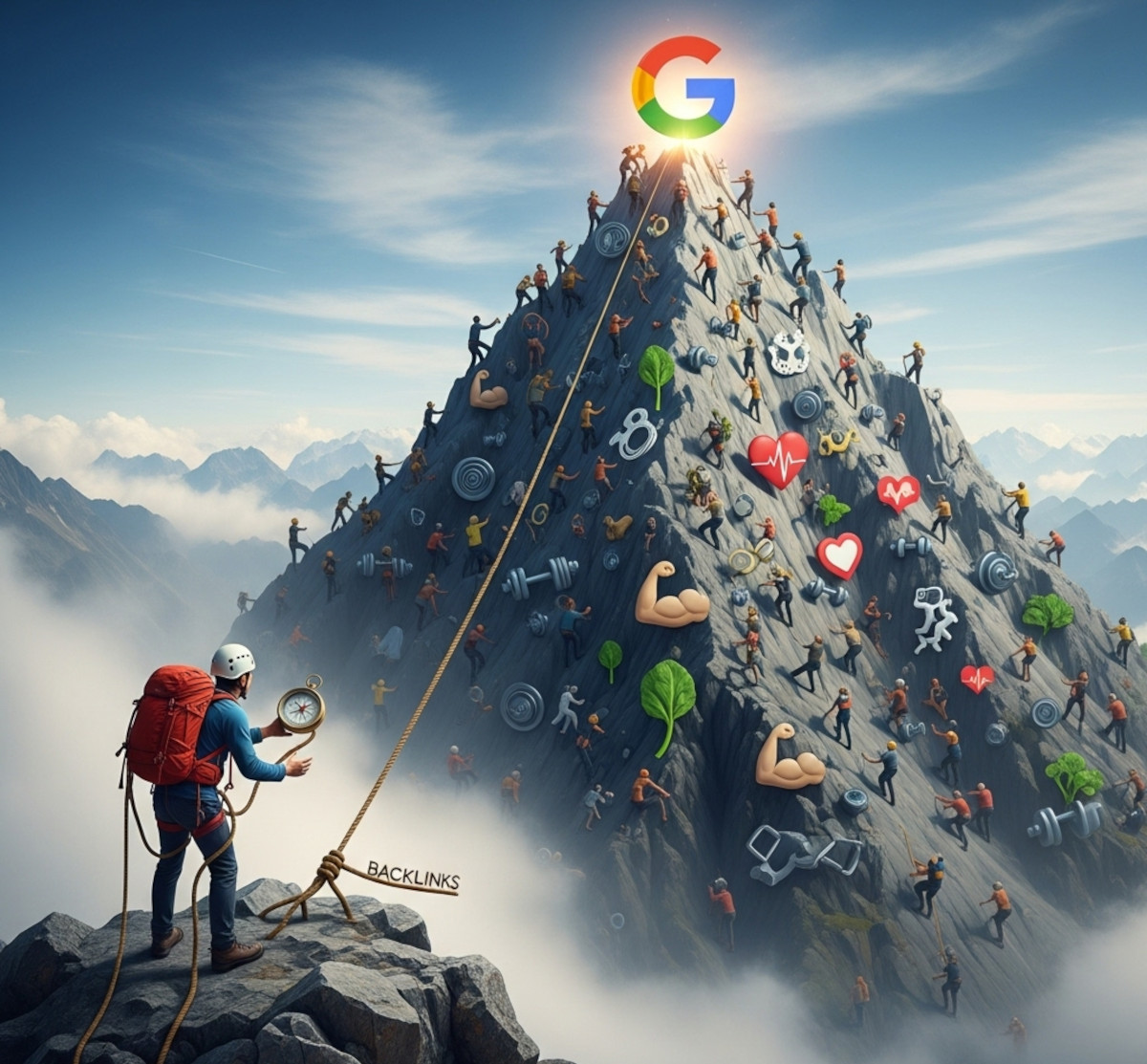
How Hard Is It for a Health and Wellness Blog or Website to Rank on Google?

Starting a health and wellness blog or website can be exciting - you get to share tips on fitness, nutrition, mental health, and overall well-being. But if your goal is to get traffic from Google, there’s a hard truth: ranking in this competitive niche is challenging. Understanding how to rank a health blog effectively is essential for success.
In this post, we’ll explore why ranking a health and wellness blog is difficult, how Google evaluates health content, and practical
... Continue reading
Posted in Ask David!, Search Engine Optimization (SEO)
Tagged ahrefs, alt tag, alt text, authority, backlinks, boost seo, boost traffic, building authority in health niche, competitive health niches, credibility, dwell time, E-A-T, E-E-A-T, eat guidelines, engagement, expertise, fast website, google keyword planner, google search engine ranking, guest posting, health and wellness blog, health blog SEO, health blog traffic, health content strategy, high-quality backlinks, high-quality content, how to rank health blog, influencers, infographics, keyword research, keyword research tool, long-tail keywords, meta description, meta titles, mobile-friendly, multimedia content, niche, on-page seo, podcasts, rank on google, responsive, responsive app, search engine optimization, semrush, seo, SEO for wellness blog, seo mistakes, seo tips, shareable content, styles manager, thin content, trustworthiness, value, videos, wellness website, ymyl, your money or your life
Leave a comment
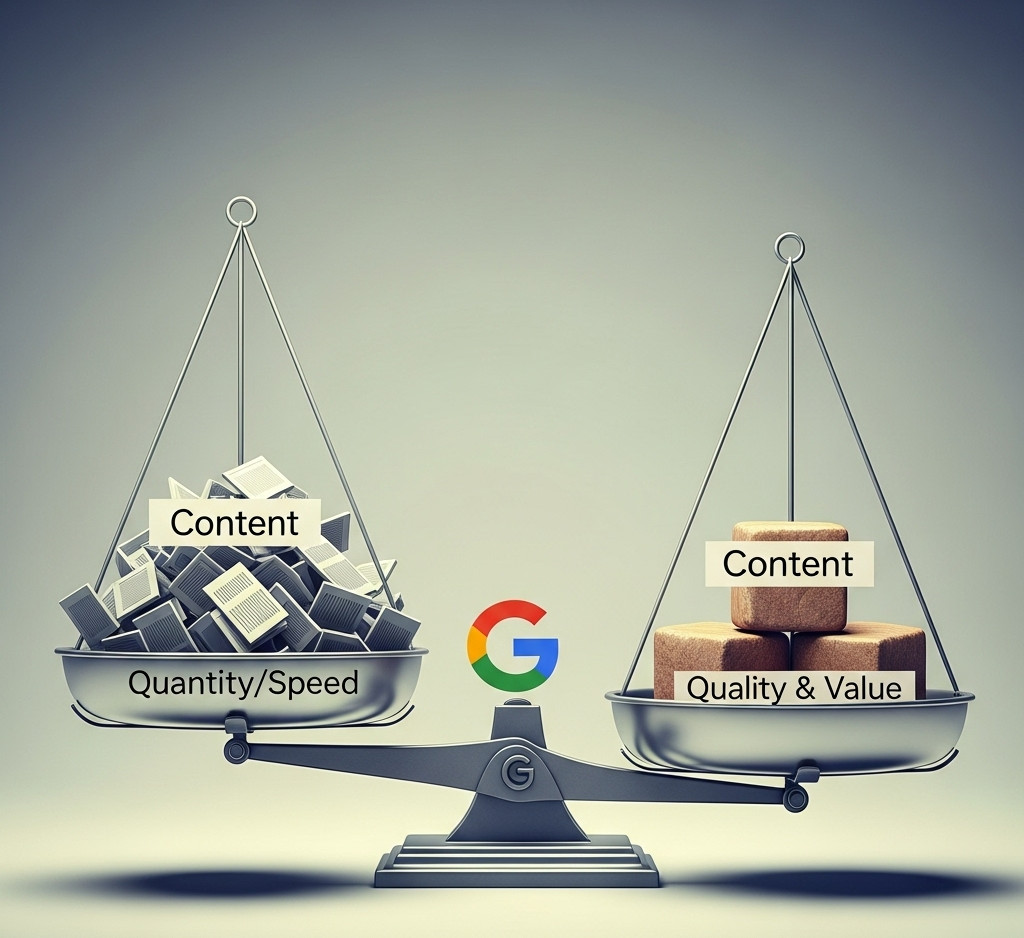
Can You Publish Content Too Fast for Google? And Does Consistency Matter?

This topic is often misunderstood in SEO circles. Here’s the straightforward truth: You generally cannot publish content too fast in terms of volume alone - but if speed compromises quality, then yes, it’s a problem. And consistency absolutely matters, though maybe not exactly as you expect.
Can You Publish Content Too Fast for Google?
No - not inherently. Google’s main goal is to serve users the most relevant and high-quality content. John Mueller, Search Advocate from Google, has
... Continue reading
Posted in Ask David!, Search Engine Optimization (SEO), Web Content
Tagged AI-generated content, authority, boost seo, brand loyalty, build trust, content frequency, E-E-A-T, engagement, expertise, faster indexing, google, Google Search Advocate, high-quality content, John Mueller, keyword competition, search engine crawl, search engine optimization, seo, seo tips, thin content, thin pages, topical authority, user engagement signals
Leave a comment
Should You Buy High DA Backlinks? The Truth Behind Backlinks and What Really Moves the SEO Needle

If you’ve been exploring ways to boost your SEO performance - especially for a localized service business - you might have come across the idea of buying high DA (Domain Authority) backlinks. Maybe someone offered you a package deal. Maybe a tool showed you your DA score and you’re feeling pressured to raise it. And maybe, just maybe, you’re wondering: Is this worth it, or is it just SEO snake oil?
Here’s the unfiltered, SEO-savvy breakdown - because if you're
... Continue reading
Posted in Ask David!, Search Engine Optimization (SEO)
Tagged anti-link spam, backlinks, boost traffic, buy backlinks, chamber of commerce, community organization, comparison articles, da, domain authority, drive traffic, expertise, faqs, feature pieces, geographic relevance, google, Google's algorithm, high-quality content, internal linking, internal links, interviews, link farms, local authority, local blogs, local business directories, local partners, local resources, local seo, long-tail keywords, news outlets, organic link, relevant authority, search engine optimization, search engine ranking, seo, sponsorships, target keywords, topical relevance, trust, useful content, vanity metric
Leave a comment
SEO Best Practices in 2026: What Has Changed and What Still Matters

Search Engine Optimization (SEO) has changed considerably over the years. Search engines have become much better at understanding language, context, and user intent, while AI is changing how people search and how search results are presented.
But that doesn't mean the fundamentals of SEO have disappeared.
A fast, accessible website with useful, original content, clear organization, and a good user experience is still a strong foundation for search visibility. What has changed is how you approach those fundamentals and how
... Continue reading
Posted in Search Engine Optimization (SEO)
Tagged accessibility, ai-driven algorithms, ai-driven seo, authority, average session duration, backlinks, bert, bounce rate, build trust, click-through rates, closed captions, context, core web vitals, ctr, domain authority, EAT, eat algorithm, engagement metrics, expertise, fast-loading times, google my business, google rankbrain, high-quality content, hyper-local targeting, hyper-localization, interactivity, loading speed, local businesses, local pack, local seo, long-tail keywords, mobile-first indexing, natural language process, nlp, page speed, page views per session, pagespeed insgihts, responsive, responsive app, rich media snippets, rich snippets, schema markup, search engine algorithm, search engine optimization, search engine ranking, search intent, seo, seo tips, serps, structured data, tiktok, trustworthiness, user engagement signals, user experience, user reviews, ux, video content, video search engine optimization, visibility, visual content, visual stability, voice queries, voice search, voice search results, vseo, youtube
Leave a comment
How to Build a Website That Ranks and Converts with E-E-A-T

Creating a website that ranks well on search engines and converts visitors into customers requires more than just having good content. It requires a solid strategy, combining search engine optimization (SEO) with the principles of E-E-A-T: Experience, Expertise, Authoritativeness, and Trustworthiness. These elements are key to Google's algorithms and can have a major impact on your site's visibility and user engagement.
Here’s a step-by-step guide to help you build a website that not only ranks but also converts effectively by
... Continue reading
Posted in Search Engine Optimization (SEO)
Tagged a/b testing, authority, backlinks, call to action, content strategy, cta, digital marketing, E-E-A-T, easy navigation, engagement, experience, expertise, fast loading times, featured snippets, google algorithm, google ranking, Google SEO, high-converting website, high-quality content, mobile-friendly, organic traffic, responsive, search engine optimization, seo, SEO best practices, structured data, target keywords, trust, trust signals, trustworthiness, user experience, user trust, website conversions, website optimization, website ranking, website speed
Leave a comment
What are the most effective off-page SEO strategies for boosting website rankings in 2025?

In 2025, off-page SEO strategies still revolve around building authority and trust with search engines. Here are some of the most effective:
- High-Quality Backlink Acquisition:
- Focus on relevant and authoritative sources: Aim for backlinks from websites with high Domain Authority (DA) and Page Authority (PA) that are relevant to your industry.
- Prioritize natural and organic links: Earned media (e.g., press mentions, media outreach) and guest blogging on reputable sites are more valuable than paid links or link schemes.
Posted in Ask David!, Search Engine Optimization (SEO)
Tagged authority, backlink profile, backlinks, brand mentions, domain authority, E-A-T, expertise, google my business listing, Google Search Console, Google's E-A-T, high-quality content, influencer collaborations, influencer marketing, local seo, off-page seo, on-page seo, online reputation management, organic traffic, page authority, podcasts, search engine optimization, seo, seo tools, social media, social media engagement, technical seo, trust, yellow pages, yelp
Leave a comment
How does Google’s algorithm affect SEO?

Google's algorithm significantly impacts SEO by determining which websites appear in search results and in what order. Here's how:
- Prioritizing User Experience:
- Page Speed: Faster loading times are crucial. Google favors websites that load quickly on both desktop and mobile devices. It is much easier to have a fast loading website when you use sleek website builders like UltimateWB, vs ones known for bloat.
- Mobile-First Indexing: Google primarily indexes and ranks websites based on their mobile versions. So make
Posted in Ask David!, Search Engine Optimization (SEO)
Tagged algorithms, authority, backlinks, bloat, crawlability, E-A-T, expertise, fast-loading times, fast-loading website, Google's algorithm, high-quality content, https, mobile friendly, responisve, responsive app, search engine optimization, seo, technical seo, trust, user friendly
Leave a comment