





-
Recent Posts
- “My Partner Wants to Use WordPress Because 50% of the Web Uses It. Help!”
- Does EmDash Solve WordPress’s Problems, or Do You Need UltimateWB?
- How Not to Use AI: Stanford University Can Tell You
- Best Website Builder for SEO: WordPress vs. Wix vs. UltimateWB
- How to Make Sure Your Website Colors Have Enough Contrast for Accessibility
- Mobile-Friendly Website Checklist: 20 Things to Check
- Beehiiv Website Builder Review: The Problem Isn’t the Design – It’s the Lack of Control
- Elementor’s “Angie” AI Is More Than Bloat: Credits, Subscriptions, and a Growing Platform Problem
- How to Pass Google Business Profile Video Verification for Service Businesses
- The Great Deskilling: Why AI Dependence is Turning Developers into Prompt Babysitters
- The Three-Month Fuse: The Everest Forms Pro Attack and Why a Patched Plugin Can Still Put Websites at Risk
- Computer Screen Has Black Bars on the Sides: How to Fix It
- Could AI Make Humans Extinct Within the Next Decade?
- Is Weebly Getting Out of the Website-Builder Business?
- Are You “Leaking SEO” by Linking to Other Websites?
- Wix Harmony Is Now in Google Gemini. So Why Are Users Still Complaining?
- When AI Sounds Confident but Gets It Wrong: The Mount Shasta Rescue
- When AI Agents Start Working Together, Who Is Really in Control?
Categories
Tag Archives: click-through rates
What is the difference between advertising and marketing?

While people often use the terms interchangeably, they represent two different scales of business strategy. In short, marketing is the entire process of getting a product to market, while advertising is a specific component of that process.
1. The Big Picture: Marketing
Marketing is the umbrella term for the collective steps a business takes to understand its customers and build a relationship with them. It is a long-term, ongoing strategy that starts before a product is even created.
It is
... Continue reading
Posted in Advertising, Business, Marketing
Tagged advertising, advertising vs marketing, bounce rate, bounce rates, brand identity, branding, business strategy, click-through rates, concept validation, customer support, data analysis, google ads, market pulse test., market research, marketing, place, pr, price, print media, product, promotion, public relations, smoke testing, social media, social media ads
Leave a comment
Meta Descriptions Too Short? What Bing’s Warning Really Means and How to Fix It

If you’ve been using Bing Webmaster Tools, you may have noticed a warning like:
“Meta descriptions on many of your pages are too short.”
This doesn’t mean your pages are broken. It’s a moderate warning specific to Bing that may affect how your pages appear in Bing search results, though Google handles descriptions differently. Let’s break down what it means, why it happens, and how to fix it.
Related: Why You Should Be Using Bing Webmaster Tools (Even If
... Continue reading
Posted in Search Engine Optimization (SEO)
Tagged bing, Bing search, bing webmaster tools, click-through rates, ctr, meta description, meta description length, meta descriptions, search engine optimization, SEO best practices, seo tips, user engagement, website optimization, website tips
Leave a comment
Why Agencies Should Leverage YouTube: Long-Term Marketing Goldmine

Introduction: YouTube Isn’t Just Video, It’s an Asset
Agencies often pour energy into Instagram, TikTok, and LinkedIn, chasing short-term engagement. But YouTube remains one of the most underutilized platforms with the highest long-term ROI. Unlike ephemeral social posts, YouTube videos continue generating traffic, leads, and brand authority months or even years after publication.
For agencies, this means every video is more than content - it’s a lasting marketing asset that works around the clock.
Related: What are
... Continue reading
Posted in Marketing
Tagged agency growth tips, analytics, audience retention, authority, behind-the-scenes, brand authority, branding, build trust, captions, case studies, click-through rates, content marketing, conversions, convert leads, descriptions, digital marketing agency, discovery, drive traffic, engagement, generate leads, generate traffic, humanize, instagram, lead generation, linkedin, long-tail traffic, long-term marketing, loyal audience, marketing, niche, provide value, reliability, roi, seo, SEO for YouTube, social media, tags, tiktok, titles, trust, tutorials, video marketing strategies, youtube, youtube algorithm, YouTube marketing for agencies
Leave a comment
Should you capitalize every word in your blog titles? Here’s what actually works best

When it comes to blog post titles, how you write them matters more than you think.
It’s not just about what your headline says - it’s how it looks. One of the most overlooked questions in content strategy is: Should I capitalize every word in my blog titles (Title Case), or just the first word (sentence case)?
If you’ve been wondering which is better for SEO, readability, and click-through rates (CTR), this post is for you. Let’s break it
... Continue reading
Posted in Ask David!, Search Engine Optimization (SEO), Web Content
Tagged a/b testing, all caps, blog SEO tips, blog style guide, blog title capitalization, blog title formatting, blog writing tips, blogging best practices, clarity, click-through rates, color psychology, content strategy, ctr, engagement, headline writing, how to write blog titles, improve click through rate, readability, search engine optimization, sentence case, sentence case benefits, sentence case vs title case, seo, SEO blog titles, title case, title case pros and cons, writing blog headlines
Leave a comment
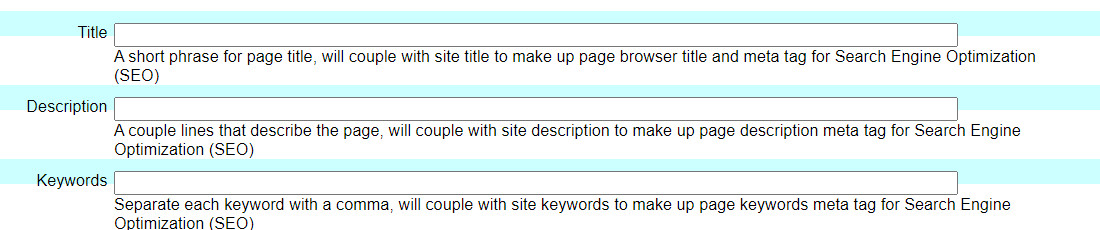
Do Meta Descriptions Really Matter, or Can You Leave Them Blank?

If you're building a website or optimizing your content for search engines, you've probably come across the term meta description. It's a short snippet of text that appears under your page title in search engine results. But how important is it really? Can you just skip it and let Google figure it out? You may be wondering, if meta descriptions are so important, why doesn't
... Continue reading
Posted in Search Engine Optimization (SEO)
Tagged click-through rates, content marketing, ctr, digital marketing, first impressions, Google rankings, messaging, meta descriptions, meta tags, on-page seo, ranking factor, search engine optimization, search snippets, seo, website optimization, website traffic
Leave a comment
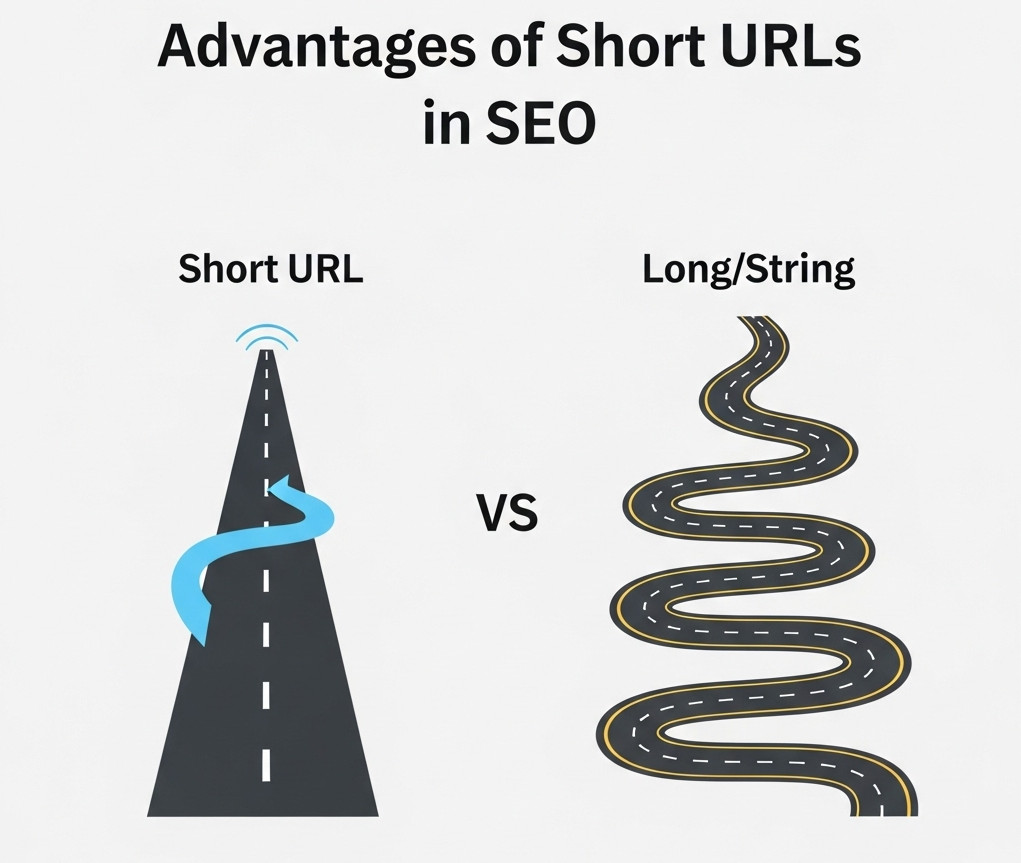
How Page URL Length Matters for SEO: Why Shorter URLs Can Boost Your Rankings

"Does it matter how long my Page URL is?"
Short Answer: Yes.
When it comes to SEO, many website owners focus heavily on keywords, content quality, backlinks, and technical site health - and with good reason. But one often overlooked factor that can impact your search engine rankings and user experience is URL length.
What Is URL Length?
A URL (Uniform Resource Locator) is the web address of a page on your site - like:
https://example.com/seo-tips-for-small-business... Continue reading
Posted in Ask David!, Search Engine Optimization (SEO)
Tagged backlinks, clean urls, click-through rates, content quality, keyword stuffing, keywords, pretty urls, readability, relevant keywords, search engine optimizzation, search engine ranking, seo, short urls, ujrl length, user experience
Leave a comment
How to Write a Great Blog Post That Ranks on Google?

Introduction: What Makes a Blog Post Great?
Writing a great blog post involves more than just good writing - it’s about creating valuable, well-structured, and SEO-friendly content that solves your readers’ problems. Whether you're blogging for business, content marketing, or personal branding, these tips will help you write blog posts that rank on Google and engage your audience.
1. Identify Your Target Audience
Understanding your audience is key to writing successful blog posts. Ask yourself:
- Who are you writing for?
Posted in Ask David!, Search Engine Optimization (SEO), Web Content
Tagged build traffic, call to action, click-through rates, click-worthy title, credibility, external links, fast loading times, featured snippet, google keyword planner, google search engine ranking, grammarly, headings, hemingway, internal links, keywords, mobile-friendly, rank on google, readability, responsive, responsive app, search engine optimization, search engine ranking, seo, seo topis, seo-friendly, target audience, target keywords, technical seo, ubersugest, user experience
Leave a comment
SEO Best Practices in 2026: What Has Changed and What Still Matters

Search Engine Optimization (SEO) has changed considerably over the years. Search engines have become much better at understanding language, context, and user intent, while AI is changing how people search and how search results are presented.
But that doesn't mean the fundamentals of SEO have disappeared.
A fast, accessible website with useful, original content, clear organization, and a good user experience is still a strong foundation for search visibility. What has changed is how you approach those fundamentals and how
... Continue reading
Posted in Search Engine Optimization (SEO)
Tagged accessibility, ai-driven algorithms, ai-driven seo, authority, average session duration, backlinks, bert, bounce rate, build trust, click-through rates, closed captions, context, core web vitals, ctr, domain authority, EAT, eat algorithm, engagement metrics, expertise, fast-loading times, google my business, google rankbrain, high-quality content, hyper-local targeting, hyper-localization, interactivity, loading speed, local businesses, local pack, local seo, long-tail keywords, mobile-first indexing, natural language process, nlp, page speed, page views per session, pagespeed insgihts, responsive, responsive app, rich media snippets, rich snippets, schema markup, search engine algorithm, search engine optimization, search engine ranking, search intent, seo, seo tips, serps, structured data, tiktok, trustworthiness, user engagement signals, user experience, user reviews, ux, video content, video search engine optimization, visibility, visual content, visual stability, voice queries, voice search, voice search results, vseo, youtube
Leave a comment
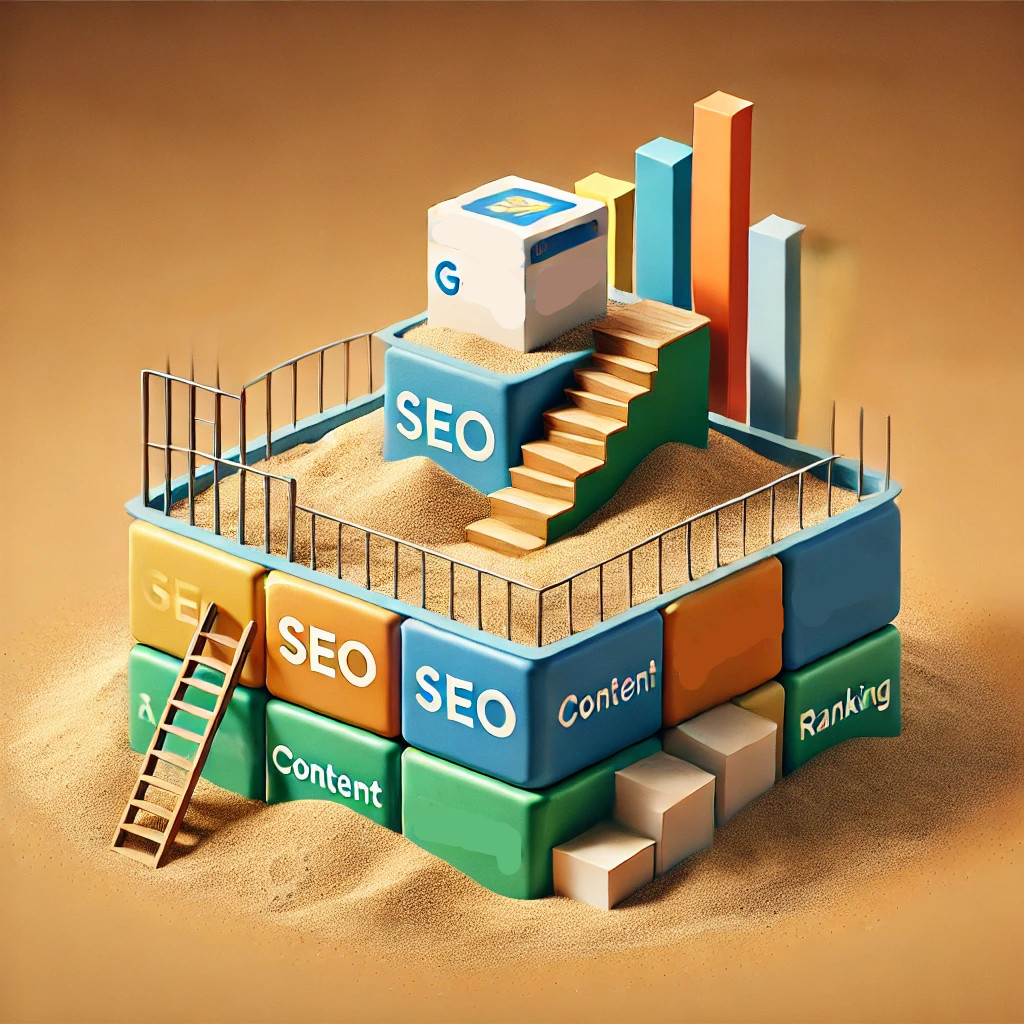
How Long Does It Take for a New Website to Start Ranking?

If you've just launched a new website and are wondering how long it takes to start getting significant organic traffic, you're not alone. Many SEO professionals and website owners have debated this topic, and while there’s no definitive timeline, we can break down the key factors that influence ranking and traffic growth.
Understanding the Google Sandbox Effect
One reason new websites take time to rank is the Google Sandbox Effect - an unofficial term used to describe how Google
... Continue reading
Posted in Ask David!, Search Engine Optimization (SEO), Website Traffic
Tagged authority, backlinks, bounce rate, click-through rates, credibility, ctr, domain authority, google sandbox effect, Google Search Console, gsc, guest posting, high engagement, high-quality content, keyword strategy, long-tail keywords, organic traffic, search engine ranking, seo, social media, trust, user engagement
Leave a comment
Domain Name Taken? Here’s What to Do

"Ask David" question: "All the domain names that I have chosen are already taken...what should I do?"
Finding the perfect domain name for your website can feel exciting - until you discover it is already taken.
Unfortunately, most short, memorable .com domains were registered years ago. But that does not mean you are out of options.
In many cases, choosing a smarter variation, adjusting your branding slightly, or exploring alternative extensions can actually lead to a stronger long-term brand.
... Continue reading
Posted in Ask David!, Domain Names
Tagged acronyms, backlinks, brandable domain, branding, cctld, click-through rates, country-code top-level domain, domain availability, domain backorder, domain brainstorming, domain name, domain negotiation, domain variations, generic top-level domain, gtld, high quality content, hyphen, hyphenation, keyword variation, memorable domain, number addition, pluralization, premium domain, seo, tld, top-level domain, user experience
Leave a comment