





-
Recent Posts
- “My Partner Wants to Use WordPress Because 50% of the Web Uses It. Help!”
- Does EmDash Solve WordPress’s Problems, or Do You Need UltimateWB?
- How Not to Use AI: Stanford University Can Tell You
- Best Website Builder for SEO: WordPress vs. Wix vs. UltimateWB
- How to Make Sure Your Website Colors Have Enough Contrast for Accessibility
- Mobile-Friendly Website Checklist: 20 Things to Check
- Beehiiv Website Builder Review: The Problem Isn’t the Design – It’s the Lack of Control
- Elementor’s “Angie” AI Is More Than Bloat: Credits, Subscriptions, and a Growing Platform Problem
- How to Pass Google Business Profile Video Verification for Service Businesses
- The Great Deskilling: Why AI Dependence is Turning Developers into Prompt Babysitters
- The Three-Month Fuse: The Everest Forms Pro Attack and Why a Patched Plugin Can Still Put Websites at Risk
- Computer Screen Has Black Bars on the Sides: How to Fix It
- Could AI Make Humans Extinct Within the Next Decade?
- Is Weebly Getting Out of the Website-Builder Business?
- Are You “Leaking SEO” by Linking to Other Websites?
- Wix Harmony Is Now in Google Gemini. So Why Are Users Still Complaining?
- When AI Sounds Confident but Gets It Wrong: The Mount Shasta Rescue
- When AI Agents Start Working Together, Who Is Really in Control?
Categories
Tag Archives: seo tips
Discovered vs. Crawled Not Indexed in Google Search Console: What’s the Difference and How to Fix Each

When you log into Google Search Console (GSC) to check your site’s coverage, it can be very frustrating to find your URLs shoved into the "Not Indexed" bucket. But pay close attention to the specific reason GSC provides.
Two of the most common - and easily confused - statuses are "Discovered - currently not indexed" and "Crawled - currently not indexed."
While they might sound like minor variations of the same problem, they point to two completely different stages in
... Continue reading
Posted in Search Engine Optimization (SEO)
Tagged backlinks, crawl budget, crawled - currently not indexed, crawler, currently not indexed, discovered - currently not indexed, discovered vs crawled, domain authority, Google Search Console, Googlebot, gsc, internal linking, internal links, seo, seo missteps, seo tips, sitemap, xml sitemap
Leave a comment
Why Great Content Gets Stuck on Page 8 (And How to Fix It)

You’ve poured time and effort into building a clean website. Your product is superior to what’s on the market, your articles directly answer user questions, and yet when you search for your core target keywords, you're stuck on Page 7 or 8.
When you ask for help, most SEO agencies hand you a cookie-cutter retainer proposal: monthly blog posts you don't need, broad "site optimizations," or generic link-building packages that don't address your actual problem.
If your site is already
... Continue reading
Posted in Search Engine Optimization (SEO)
Tagged 301 redirects, authority, backlinks, bounce rates, crawl, domain authority, fast website, Google Search Console, high-quality content, indexed pages, internal linking, keyword cannibalization, long-tail keywords, mobile-friendly, pogo-sticking, search intent, search signals, seo, seo tips, site structure, target keywords, topical authority, trust signals, user experience, user satisfaction, website optimization
Leave a comment
Meta Descriptions Too Short? What Bing’s Warning Really Means and How to Fix It

If you’ve been using Bing Webmaster Tools, you may have noticed a warning like:
“Meta descriptions on many of your pages are too short.”
This doesn’t mean your pages are broken. It’s a moderate warning specific to Bing that may affect how your pages appear in Bing search results, though Google handles descriptions differently. Let’s break down what it means, why it happens, and how to fix it.
Related: Why You Should Be Using Bing Webmaster Tools (Even If
... Continue reading
Posted in Search Engine Optimization (SEO)
Tagged bing, Bing search, bing webmaster tools, click-through rates, ctr, meta description, meta description length, meta descriptions, search engine optimization, SEO best practices, seo tips, user engagement, website optimization, website tips
Leave a comment
Why Google Search Console’s 24-hour report suddenly shows all zeros

If you rely on Google Search Console to keep an eye on your site, you may have noticed something unsettling recently: the “last 24 hours” view showing flat zeroes - no clicks, no impressions, nothing. You might be thinking... Google Search Console is broken!
Or, if you are not in tune with your traffic stats via another channel, your first thought might the obvious one:
“Did Google drop my site?”
Short answer: no.
Long answer: this is a Google
Posted in Search Engine Optimization (SEO), Website Traffic
Tagged analytics, analytics issues, google analytics, Google indexing, Google Search Console, GSC data delay, GSC reporting issue, hosted website builders, raw server logs, search engine optimization, SEO reporting, seo tips, SEO troubleshooting, website analytics, website performance, website traffic
Leave a comment
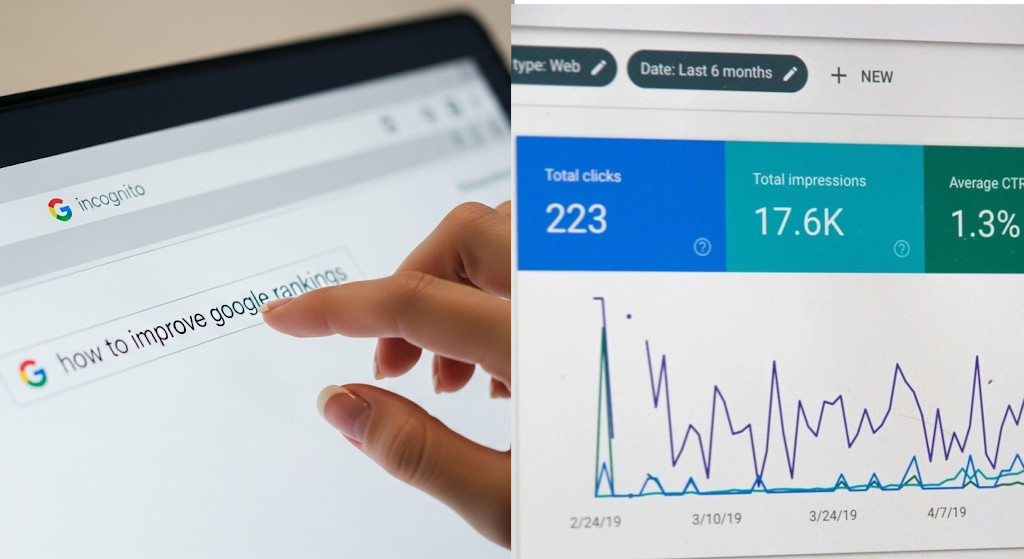
How to Check How Your Web Page or Blog Post is Ranking in Google

If you’ve published a web page or blog post, knowing how it’s performing in search engines is key to improving traffic and SEO. Fortunately, there are several ways to check your ranking. This guide will walk you through the most effective methods.
1. Use Google Search to Check Rankings: Manual Tracking
The simplest way to see how your web page or blog post is performing is to search for it directly. This also allows you to track rankings over
... Continue reading
Posted in Search Engine Optimization (SEO), Website Traffic
Tagged ahrefs, average position, backlinks, blog post ranking, boost traffic, clear cache, click-through rate, clicks, content marketing, content strategy, ctr, featured snippets, google analytics, Google Search Console, google search engine ranking, gsc, impressions, incognito, keyword performance, keyword rankings, keyword tracking, keywords, moz, organic traffic, personalized search, private browsing window, queries, semrush, seo tips, seo tools, target keywords, ubersiggest, web page ranking, website traffic
Leave a comment
The 10 Easiest Niches to Rank on Google – and the 10 Hardest

If you’ve ever thought about starting a blog or building a website, you’ve probably asked yourself: How hard will it be to rank on Google? The answer depends a lot on the niche you choose. Some niches are flooded with established competitors, while others are surprisingly open for newcomers.
Let’s break down the 10 easiest niches to rank in (low competition, lots of long-tail keyword opportunities) and the 10 hardest niches to rank in (high competition, big-budget players, and strong
... Continue readingHow Hard Is It for a Health and Wellness Blog or Website to Rank on Google?

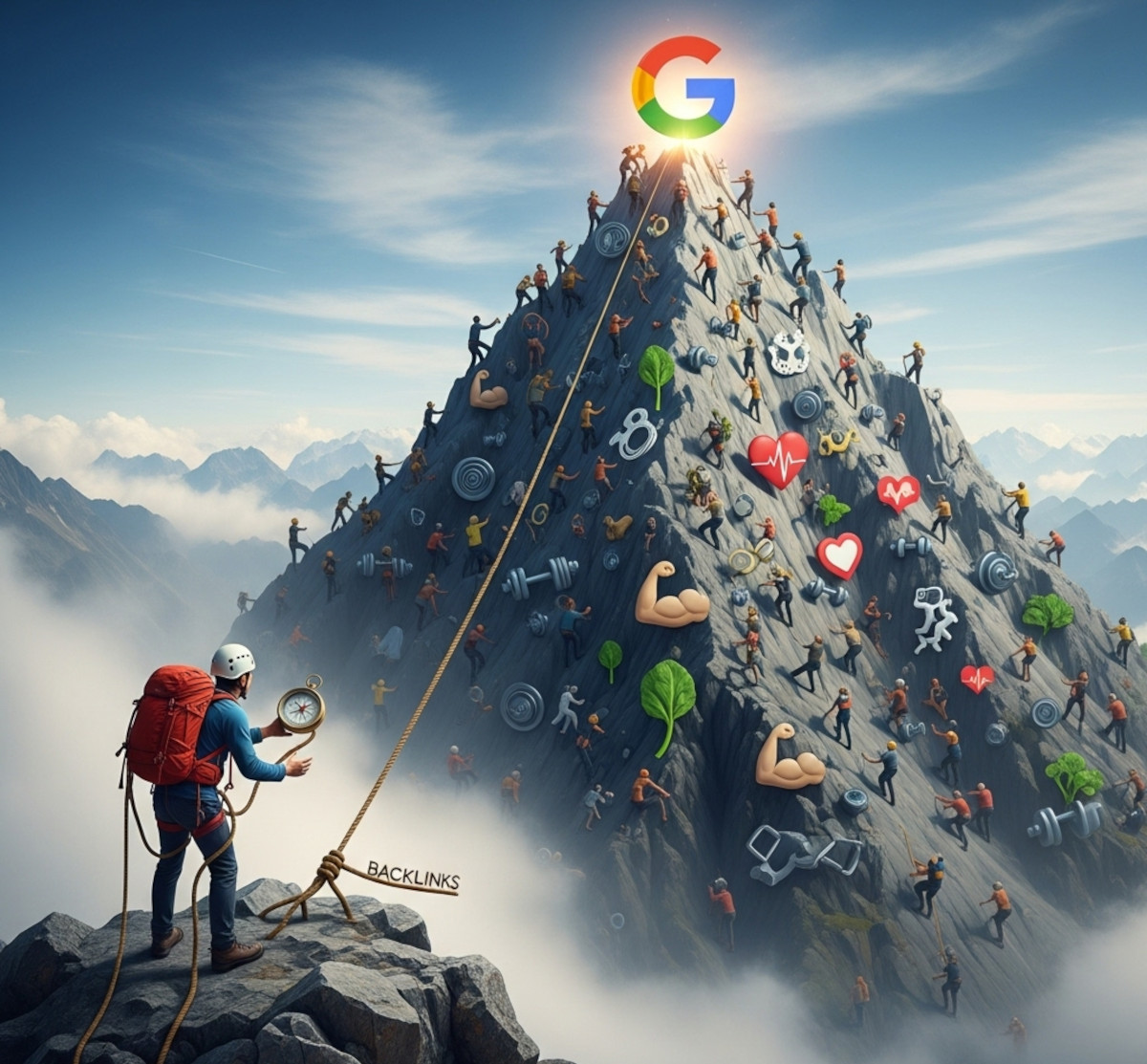
Starting a health and wellness blog or website can be exciting - you get to share tips on fitness, nutrition, mental health, and overall well-being. But if your goal is to get traffic from Google, there’s a hard truth: ranking in this competitive niche is challenging. Understanding how to rank a health blog effectively is essential for success.
In this post, we’ll explore why ranking a health and wellness blog is difficult, how Google evaluates health content, and practical
... Continue reading
Posted in Ask David!, Search Engine Optimization (SEO)
Tagged ahrefs, alt tag, alt text, authority, backlinks, boost seo, boost traffic, building authority in health niche, competitive health niches, credibility, dwell time, E-A-T, E-E-A-T, eat guidelines, engagement, expertise, fast website, google keyword planner, google search engine ranking, guest posting, health and wellness blog, health blog SEO, health blog traffic, health content strategy, high-quality backlinks, high-quality content, how to rank health blog, influencers, infographics, keyword research, keyword research tool, long-tail keywords, meta description, meta titles, mobile-friendly, multimedia content, niche, on-page seo, podcasts, rank on google, responsive, responsive app, search engine optimization, semrush, seo, SEO for wellness blog, seo mistakes, seo tips, shareable content, styles manager, thin content, trustworthiness, value, videos, wellness website, ymyl, your money or your life
Leave a comment
Should You Still Disavow Toxic Backlinks in 2026?

SEO strategies come and go, but one question still lingers: is it worth disavowing toxic backlinks? With Google’s algorithm becoming increasingly sophisticated at recognizing spammy or manipulative link patterns, many marketers and webmasters are rethinking their approach to disavow files.
On the surface, disavowing unwanted links might feel like a proactive move - an easy way to “clean up” your link profile. But how necessary is it today, really?
Google Is Smarter Than Ever - But Not Perfect
Google’s
... Continue reading
Posted in Search Engine Optimization (SEO)
Tagged backlink cleanup, backlinks, disavow backlinks, disavow toxic backlinks, google algorithm, google disavow links tool, high-quality backlinks, high-quality content, link audit, link profile, link profile management, manual actions, negative SEO, negative seo campaigns, search engine optimization, seo, SEO 2025, seo tips, spammy links, toxic backlinks, toxic links
Leave a comment
Why You Should Be Using Bing Webmaster Tools (Even If You’re Already on Google Search Console)

When it comes to SEO, most website owners are laser-focused on Google - and for good reason. Google commands the lion’s share of global search traffic. But if you’re only optimizing for Google and ignoring Bing, you could be leaving valuable traffic and insights on the table. That’s where Bing Webmaster Tools comes in.
What Is Bing Webmaster Tools?
Bing Webmaster Tools (BWT) is Microsoft’s free platform that allows website owners to monitor and manage their presence in the Bing
... Continue reading
Posted in Search Engine Optimization (SEO), Website Traffic
Tagged bing, bing webmaster tools, bwt, Google Search Console, gsc, keyword research tool, search engine optimization, seo, seo comparison, seo reach, seo scan, seo tips, seo tools, sitemap submission, visibility, website analytics, website traffic
Leave a comment
‘SEO Optimization’: Redundant Buzz Word or Ranking Secret?

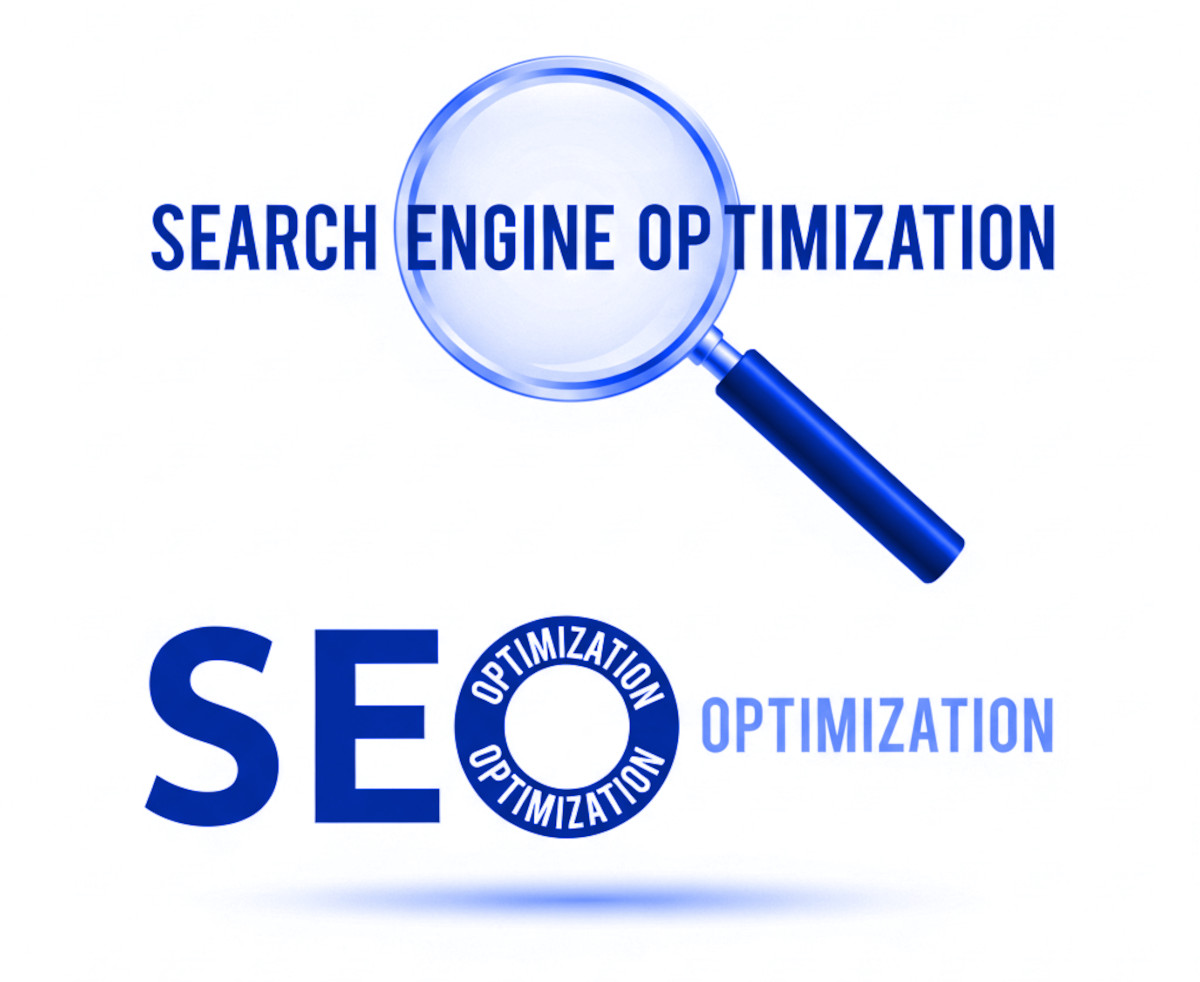
“SEO optimization.” Say it out loud. Doesn’t it sound like saying “PIN number” or “ATM machine”? That’s because it is - SEO already means Search Engine Optimization, so adding “optimization” again is technically repeating yourself.
But here’s the twist: tons of people actually search for “SEO optimization.” Because it’s so common, if you want to get found by those people, you need to write and rank for that phrase too.
Why Do People Say “SEO Optimization”?
It’s simple. SEO
... Continue reading
Posted in Search Engine Optimization (SEO)
Tagged acronym, backlinks, boost ranking, boost traffic, fast website, google search engine ranking, high-quality content, keywords, mobile-friendly, organic traffic, redundant, responsive, responsive app, search engine optimization, search engine ranking., search engine results, seo, seo optimization, seo tips, useful content
Leave a comment