




-
Recent Posts
- How to Make Sure Your Website Colors Have Enough Contrast for Accessibility
- Mobile-Friendly Website Checklist: 20 Things to Check
- Beehiiv Website Builder Review: The Problem Isn’t the Design – It’s the Lack of Control
- Elementor’s “Angie” AI Is More Than Bloat: Credits, Subscriptions, and a Growing Platform Problem
- How to Pass Google Business Profile Video Verification for Service Businesses
- The Great Deskilling: Why AI Dependence is Turning Developers into Prompt Babysitters
- The Three-Month Fuse: The Everest Forms Pro Attack and Why a Patched Plugin Can Still Put Websites at Risk
- Computer Screen Has Black Bars on the Sides: How to Fix It
- Could AI Make Humans Extinct Within the Next Decade?
- Is Weebly Getting Out of the Website-Builder Business?
- Are You “Leaking SEO” by Linking to Other Websites?
- Wix Harmony Is Now in Google Gemini. So Why Are Users Still Complaining?
- When AI Sounds Confident but Gets It Wrong: The Mount Shasta Rescue
- When AI Agents Start Working Together, Who Is Really in Control?
- WPForms and Rank Math: Did These WordPress Plugins Create a Backdoor With Admin Access?
- AI Can Text Your Friends for You. Wait, Who Am I Talking To?
- Bill Gates Is Betting on AI to Help Healthcare – While Warning About What AI Could Do to Jobs
- Wix Says AI Website Owners Should Care About Portability. There’s Just One Problem.
Categories
Tag Archives: keyword stuffing
How to Use Google Search Console’s New Generative AI Data to Improve Your SEO

If you run a website, you’ve probably noticed a massive shift in how people find information online. Between AI Overviews at the top of search results and interactive search interfaces like AI Mode, traditional organic search traffic patterns are changing fast.
For a long time, site owners had no clear way to measure this visibility. Google addressed this gap by introducing dedicated Generative AI performance reporting inside Google Search Console (GSC). If the update has rolled out to your Search
... Continue reading
Posted in AI, Search Engine Optimization (SEO)
Tagged AI crawling, ai impressions, ai mode, ai overviews, AI visibility, clicks, crawlers, ctr, Generative AI performance, Google Search Console, Googlebot, gsc, headings, indexing, keyword research, keyword stuffing, keyword targeting, organic traffic, page structure, schema markup, search engine results, search performance, seo, seo strategy, serps, structured data, user experience
Leave a comment
Do Professional Writers Still Need SEO in the Age of AI?

With AI tools flooding the web with generic, automated content, many professional writers are asking the same question: If you have 10+ years of writing experience, do you still need to learn SEO to stay relevant?
The short answer is no - you don't need to become a technical SEO engineer. But you do need to understand content SEO: how people search, what they are actually looking for, and how modern search engines and AI assistants discover and understand
... Continue reading
Posted in AI, Search Engine Optimization (SEO), Web Content
Tagged ai, ai slop, authority, bloat, content seo, core web vitals, crawl budget, fast website, fresh content seo, header tags, javascript, keyword stuffing, schema markup, search intent, seo, site architecture, sitemap, technical seo, third-party plugins, writer, xml, xml sitemap
Leave a comment
Search Engine First vs. People First Content: Why Generic FAQ Dumps Harm Your SEO

For years, a common SEO tactic dominated web design: take a page, scroll to the bottom, and drop in a generic FAQ block.
The strategy seemed logical on paper. If you added ten accordion-style questions loaded with long-tail keywords, you’d hit a higher word count, capture extra search queries, and bump up your page’s relevance.
Today, that exact strategy can actively hurt your site’s search rankings.
Google’s algorithms have evolved to target what they explicitly term "search-engine-first content" - pages
... Continue reading
Posted in Search Engine Optimization (SEO), Web Content
Tagged ai slop, boost conversions, bounce rate, build trust, clean structure, crawlers, engagement signals, faq, fast website, generate value, google algorithm, help center, helpful content, high-quality content, indexing, keyword research, keyword research tool, keyword stuffing, knowledge base, llm, long-tail keywords, people-first content, search engine ranking, search-engine-first content, seo, target keywords, useful content, user experience
Leave a comment
Signs Your Website Content Is Too Focused on Keyword Targeting

"Ask David" Question: "How can I tell if my website content is over-optimized for keywords, or if it’s actually useful for visitors?"
Short answer
If your content sounds unnatural, repeats the same phrases, or feels written for search engines instead of people, it’s probably over-optimized - and that can hurt rankings instead of helping them.
Modern SEO rewards clarity, usefulness, and intent, not keyword stuffing.
Related: Google Algorithm Penalties Explained: What They Are, Why They Happen, and How
... Continue reading
Posted in Ask David!, Search Engine Optimization (SEO), Web Content
Tagged clarity, content quality, keyword optimization, keyword stuffing, on-page seo, search engine ranking, search intent, seo, seo content, seo mistakes, seo mitakes, seo strategy, userful, website content strategy
Leave a comment
Google Algorithm Penalties Explained: What They Are, Why They Happen, and How to Recover

Google doesn’t like surprises. Website owners, on the other hand, often get one they didn’t ask for: a sudden drop in traffic, rankings vanishing overnight, and pages that once dominated search results quietly disappearing.
In most cases, that shock traces back to Google algorithm penalties.
If you’ve ever wondered what Google actually penalizes, how algorithmic penalties differ from manual actions, or whether recovery is even possible, this guide breaks it all down - clearly, accurately, and
... Continue reading
Posted in AI, Search Engine Optimization (SEO), Website Traffic
Tagged ai, AI content, AI-generated content, auto-generated content, backlink cleanup, backlink profile, backlinks, bounce rate, content depth, content quality, core web vitals, crawl, credibility, duplicate content, E-E-A-T, engagement, engagement signals, experience, expertise, fast-loading website, google algorithm, google algorithm penalties, Google algorithm update, google core updates, google panda, google penguin, Google rankings, Google Search Console, helpful content, high-quality content, keyword stuffing, layout shift, link spam, low-quality, mobile-friendly, page experience, search engine optimization, search engine ranking, search intent, search intent match, seo, seo guide, slow load times, slow website, spammy, thin content, thin pages, trust, user experience, ux signals, visibility, website optimization, website traffic
Leave a comment
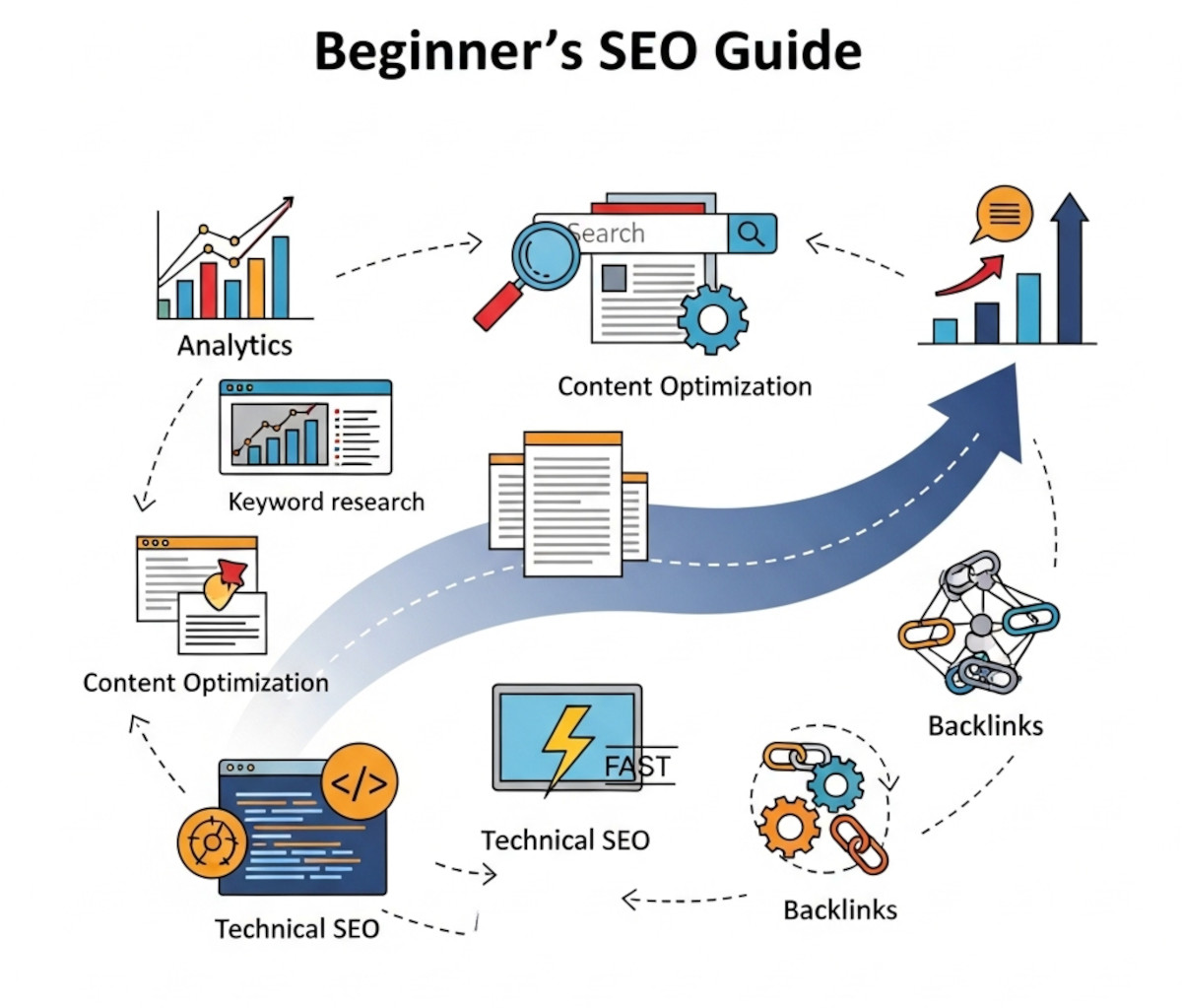
Beginner’s SEO Guide: Step-by-Step Process to Promote Your Business Online

Step 1: Set Up Website Analytics and Tracking
- Why? To understand who visits your site, where they come from, and how they interact with your pages.
- How?
- Create a Google Analytics account and install the tracking code on your website.
- Set up Google Search Console to monitor your website’s presence in Google search results and detect any issues.
Follow these Guides:
... Continue reading
Posted in Search Engine Optimization (SEO)
Tagged ahrefs, alt tag, alt text, authority, backlinks, bloat, bounce rate, broken links, clean code, compress images, conversions, drive traffic, fast load times, fast website, fresh content, google analytics, Google Business Profile, google keyword planner, Google Search Console, headers, headings, https, keyword research, keyword stuffing, lazy-load images, long-tail keywords, meta description, mobile-friendly, plugins, ranking factor, redirect, redirect url, responsive, responsive app, search engine optimization, search engine ranking, secure, seo, short-tail keywords, sitemap generator, sitempa, target audience, target keywords, technical seo, title, tracking, trust, trustworthy, ubersuggest, user experience, webp converter, website analytics, website visitors, xml
Leave a comment
Why Is Google Showing a Competitor’s Website for My Brand Name?

And How to Fix It with SEO & Branding Strategies
When users search for your company name, the last thing you want is for a competitor’s site to show up instead. But that’s exactly what can happen if your brand is new, lesser known, or has a name that’s similar to a larger competitor. A good reason not to choose a similar name even if the trademark rules don't prevent you.
Google’s algorithm often tries to “help” users by showing
... Continue reading
Posted in Search Engine Optimization (SEO)
Tagged backlinks, bounce rate, brand identity, brand signals, branding, breadcrumblist schema, build backlinks, community forums, email newsletters, engagement, forums, google, google ads, google ranking, google search, headers, headings, high-quality content, keyword stuffing, meta description, organic seo, organic traffic, organization schema, page title, ranking signal, schema, schema markup, search engine optimization, search engine ranking, search engine results, seo, seo strategies, seo tipes, social media, socialprofile schema, spammy, structured data, subheadings, trust, typo, user behavior, visibility, website schema
Leave a comment
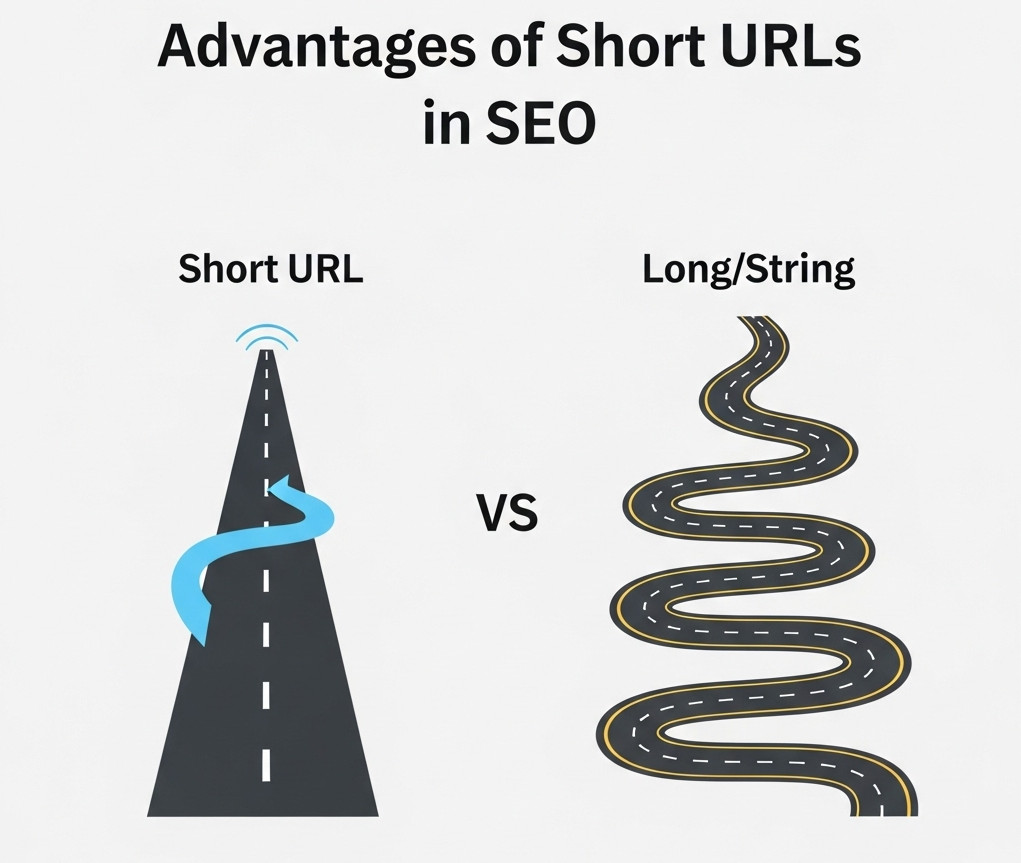
How Page URL Length Matters for SEO: Why Shorter URLs Can Boost Your Rankings

"Does it matter how long my Page URL is?"
Short Answer: Yes.
When it comes to SEO, many website owners focus heavily on keywords, content quality, backlinks, and technical site health - and with good reason. But one often overlooked factor that can impact your search engine rankings and user experience is URL length.
What Is URL Length?
A URL (Uniform Resource Locator) is the web address of a page on your site - like:
https://example.com/seo-tips-for-small-business... Continue reading
Posted in Ask David!, Search Engine Optimization (SEO)
Tagged backlinks, clean urls, click-through rates, content quality, keyword stuffing, keywords, pretty urls, readability, relevant keywords, search engine optimizzation, search engine ranking, seo, short urls, ujrl length, user experience
Leave a comment
What are “thin pages,” and how can they hurt your On-Page SEO?

"Thin pages" are web pages that provide little to no value to users. They typically contain very little original content, lack depth, and don't adequately address the user's search intent. These pages can significantly harm your on-page SEO.
Here's a breakdown of what thin pages are and how they can negatively impact your website's search engine rankings:
Characteristics of Thin Pages:
- Low Word Count: They contain very little text, often just a few sentences or paragraphs.
- Duplicate or Scraped
Posted in Ask David!, Search Engine Optimization (SEO)
Tagged affiliate links, affiliate pages, bounce rate, content audits, crawl budget, doorway pages, duplicate content, high-quality content, internal linking, keyword stuffing, keywords, lack of value, low content quality, low word count, on-page seo, organic traffic, original content, scraped content, search engine optimization, search engine penalties, search engine ranking, seo, thin pages, user experience, user intent, website authority
Leave a comment
Internal Linking Dos and Don’ts: What to Avoid and What to Focus On

Internal linking is a crucial SEO technique that involves strategically placing links within your website to connect different pages. It helps search engine crawlers discover and index your content, improves user experience, and can boost your website's overall authority and organic traffic. However, it's essential to avoid common pitfalls and focus on best practices to maximize the benefits of internal linking.
What to Avoid:
- Over-Optimization:
- Keyword Stuffing: Avoid overloading anchor text with keywords. Use natural language and focus on