





-
Recent Posts
- “My Partner Wants to Use WordPress Because 50% of the Web Uses It. Help!”
- Does EmDash Solve WordPress’s Problems, or Do You Need UltimateWB?
- How Not to Use AI: Stanford University Can Tell You
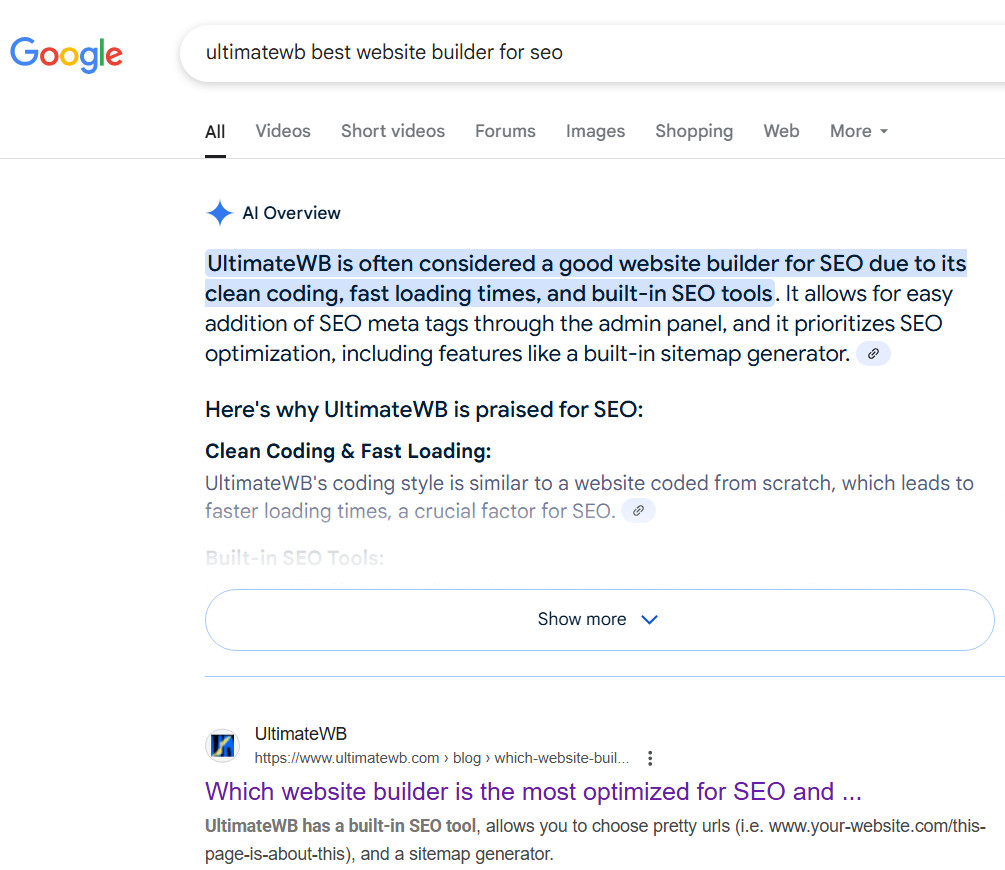
- Best Website Builder for SEO: WordPress vs. Wix vs. UltimateWB
- How to Make Sure Your Website Colors Have Enough Contrast for Accessibility
- Mobile-Friendly Website Checklist: 20 Things to Check
- Beehiiv Website Builder Review: The Problem Isn’t the Design – It’s the Lack of Control
- Elementor’s “Angie” AI Is More Than Bloat: Credits, Subscriptions, and a Growing Platform Problem
- How to Pass Google Business Profile Video Verification for Service Businesses
- The Great Deskilling: Why AI Dependence is Turning Developers into Prompt Babysitters
- The Three-Month Fuse: The Everest Forms Pro Attack and Why a Patched Plugin Can Still Put Websites at Risk
- Computer Screen Has Black Bars on the Sides: How to Fix It
- Could AI Make Humans Extinct Within the Next Decade?
- Is Weebly Getting Out of the Website-Builder Business?
- Are You “Leaking SEO” by Linking to Other Websites?
- Wix Harmony Is Now in Google Gemini. So Why Are Users Still Complaining?
- When AI Sounds Confident but Gets It Wrong: The Mount Shasta Rescue
- When AI Agents Start Working Together, Who Is Really in Control?
Categories
Tag Archives: ux
The Dogfooding Test: What Happens When Web Platforms Don’t Use Their Own Tools?

Choosing a web development platform usually comes down to reviewing a checklist of features, viewing templates, and reading marketing copy. However, there is a far more reliable metric for evaluating the true capability, speed, and structural integrity of any software platform.
You simply have to look at what the creators of the software use to run their own business.
In
... Continue reading
Posted in Compare Website Builders
Tagged authority, bloat, bugs, conversion rates, core web vitals, credibility, css, database bottlenecks, database glitches, divi, dogfooding, elegant themes, elementor, fast load times, fast website, headless frameworks, html, javascript, latency issues, low maintenance, maintenance, page speeds, scalability, source code, static html, third-party plugins, ux, view page source, Wix, WordPress, WordPress page builders
Leave a comment
Why Simple Websites Often Convert Better Than Fancy Websites

If you’ve ever noticed a plain-looking website (like Craigslist back in the day) outperforming a flashy, animation-heavy one, you’re not imagining things. This happens all the time across industries - from home services to e-commerce to SaaS.
The reason is simple:
People don’t visit websites to admire design. They visit to achieve a goal.
Find a product. Read a menu. Book a service. Get a quote. Buy something.
A “fancy” website can absolutely support that…
- but only if it
Posted in Website Design
Tagged animations, background videos, bloat, boost conversions, build trust, call-to-action, clean website layout, clear CTA, conversion optimization, conversions, credibility, cta, e-commerce, easy navigation, fast loading, fast loading times, fast website, fonts, hero image, high-converting websites, javascript, kiss, mobile-friendly, simple website design, sliders, spacing, storytelling, trust, trust signals, trustworthy, usability, user experience, ux, UX best practices, web design tips, website conversions, website speed
Leave a comment
Is AI Really Taking Your Web Design Job?

If you’ve been following tech news, you’ve probably seen headlines warning that AI is replacing entry-level web design jobs. And yes, AI tools like ChatGPT, MidJourney, and automated website builders are changing the way websites are built. But what does this really mean for designers starting out?
What’s Actually Happening
AI can handle repetitive tasks - like generating layouts, writing boilerplate code, or resizing images - but it’s far from replacing human creativity, strategy, and user experience skills. Junior
... Continue reading
Posted in AI, Technology in the News
Tagged accessibility, adapting to AI, ai, AI and creativity, ai automation, ai in website design, AI tools for designers, AI web design, Andrew Yang, andrew yank, brand identity, branidng, chatgpt, coding, creativity, entry-level designers, entry-level web design, future of web design, generating layouts, junior designers, matt garman, MidJourney, performance, performance optimization, resizing images, search engine optimization, seo, speed up workflows, strategy, user behavior, user experience, ux, ux design, web design career, web design jobs, web design tips, web designer
Leave a comment
Why Blocking Paste in Form Fields Is a UX Mistake

If you’ve ever tried to paste information into a form and were blocked, you know it’s frustrating. Yet, some teams still implement “no-paste” rules for account numbers, confirmation fields, or even passwords. Here’s why that approach doesn’t make sense - and why it’s time to stop.
Copying Improves Accuracy - Even When the First Entry Might Be Wrong
Some stakeholders justify disabling paste by arguing that if a user makes a mistake in the first field, copying it to the
... Continue reading
Posted in Website Design
Tagged accessibility, auto-formatting, blocking paste, form fields, format validation, trust, usability, user experience, ux, wcag, website security
Leave a comment
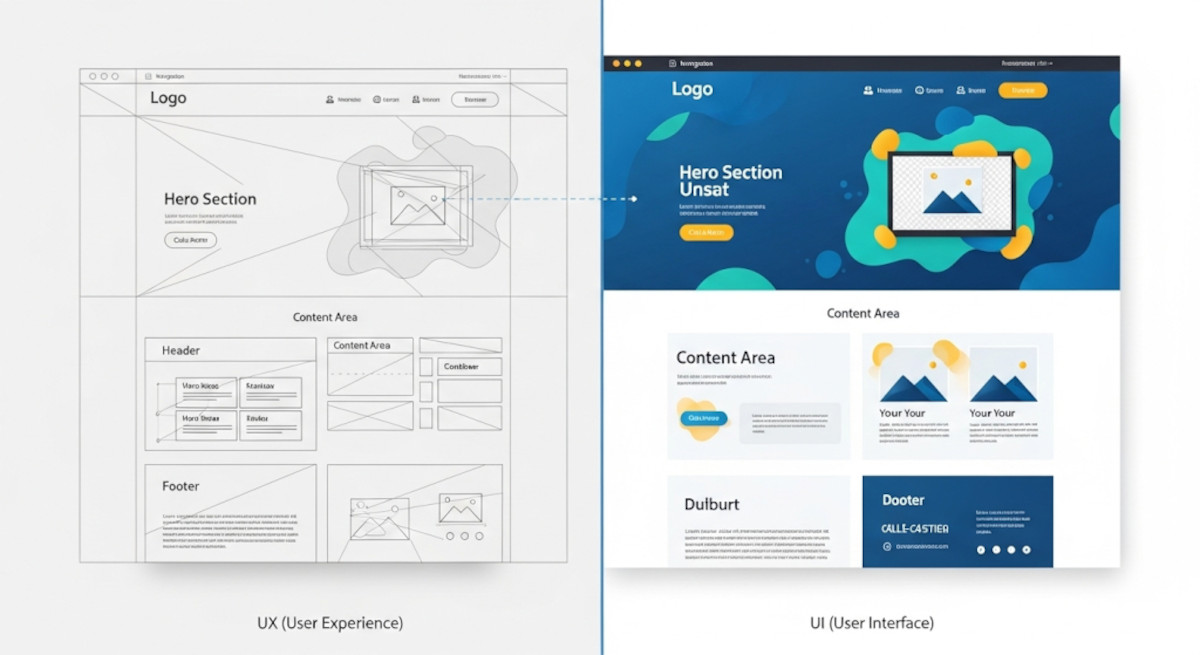
UX vs UI: Understanding the Key Differences in Web Design

When it comes to web design and app development, you’ve probably heard the terms UX and UI thrown around. While they often appear together, they are not the same thing - and understanding the difference is crucial for building a website or app that not only looks great but also works intuitively for users.
What is UX?
UX stands for User Experience. It’s all about how a person feels when interacting with your product. A good UX design ensures
... Continue reading
Posted in Website Design
Tagged colors, easy navigation, fonts, interaction design, typography, ui, usability, user experience, user interface, ux, website design
Leave a comment
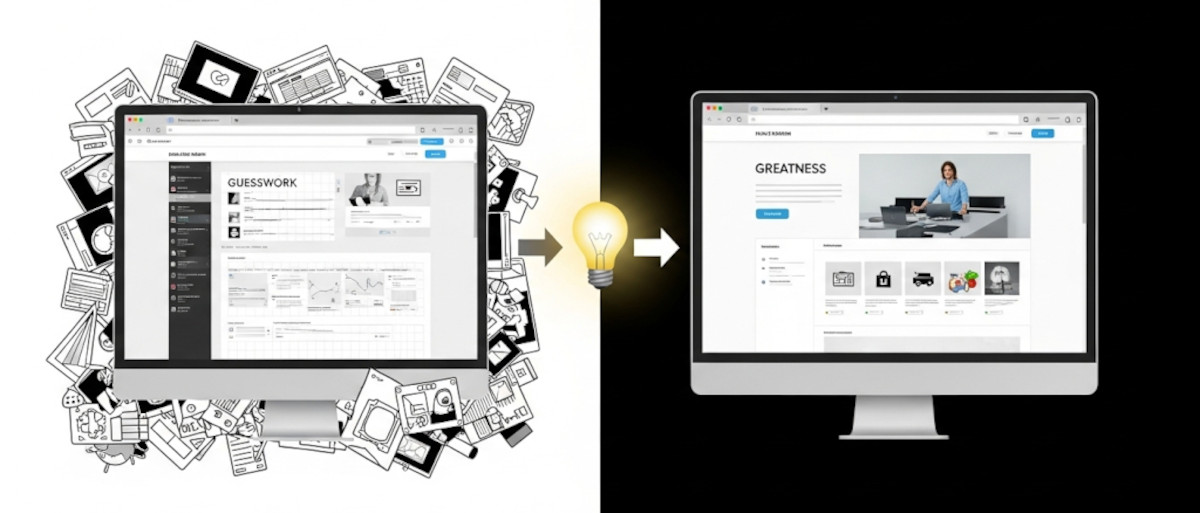
How to Learn Web Design: From Guesswork to Greatness

If you’re just getting started with web design, you might be asking yourself as one “Ask David!” particpant:
Am I just winging it? Are there rules? How do I know if my design actually works - or if it just looks nice?
These are questions almost every new designer has asked, and they’re completely valid. The good news? You don’t have to guess your way through it. While creativity plays a big role, great web design is a craft
... Continue reading
Posted in Ask David!, Website Design
Tagged avoid clutter, behance, branding, call-to-action, clear messaging, clear navigation, color palettes, color psychology, colors, conversions, cta, easy navigation, fast loading times, fast website, flow, fonts, great web design, hierarchy, landing page, learn web design, microinteractions, mobile-friendly, responsive, responsive app, reviews, small animations, social proof, spacing, testimonials, transitions, trust badges, usability, usability testing, user behavior, user experience, ux, web design best practices
Leave a comment
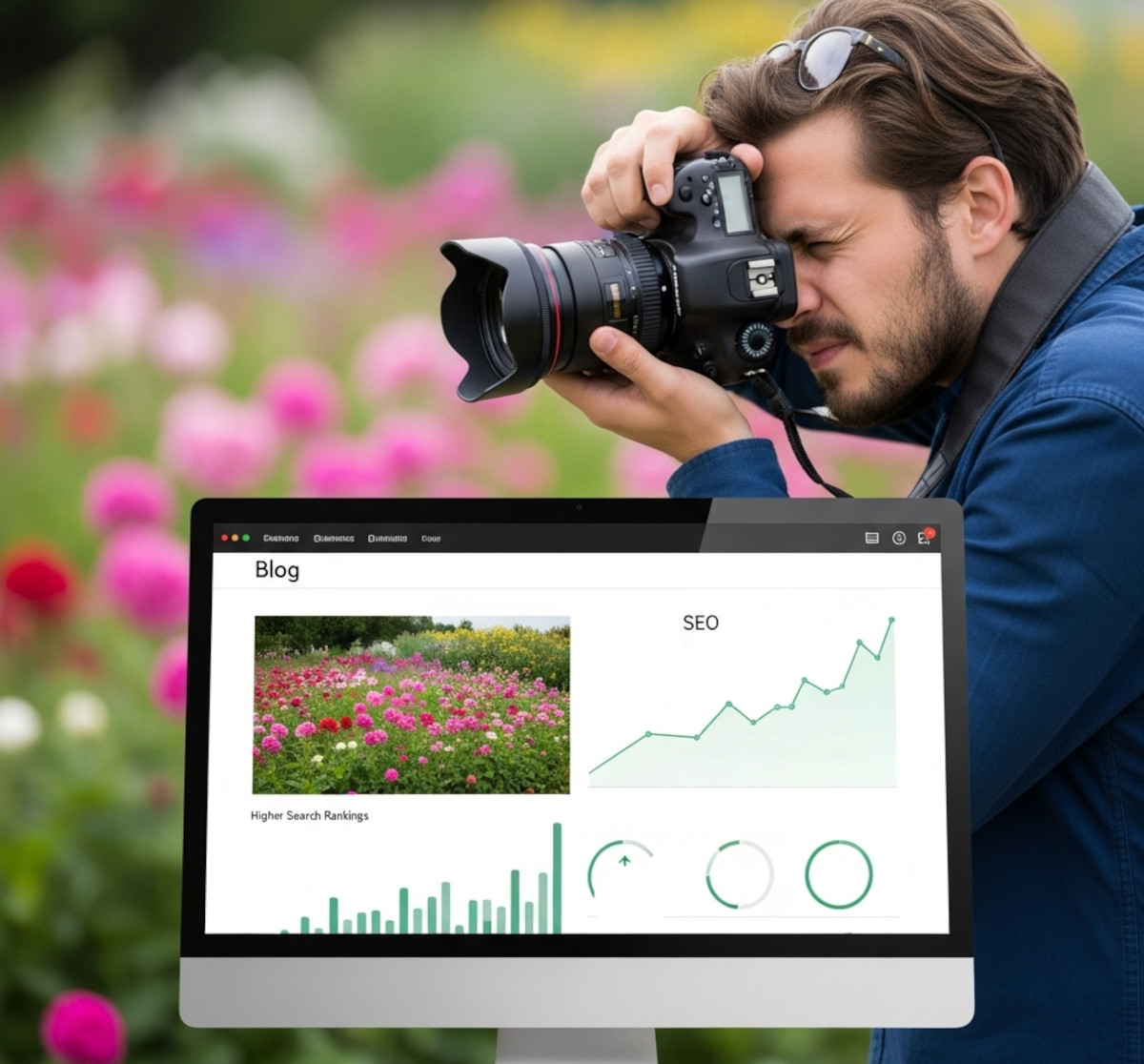
Do Images Help SEO on Blogs and Webpages? What If You Don’t Use Them?

Short Answer:
Images can significantly boost your website’s SEO by improving engagement, visibility, and context. Skipping them won’t get you penalized — but it might cost you traffic and performance.
The Role of Images in SEO: A Deeper Look
Images are more than just decoration - they can be powerful tools for improving your content’s performance in search engines. Whether you're publishing a blog post or building a standard webpage, images can influence everything from how long people stay on
... Continue reading
Posted in Ask David!, Search Engine Optimization (SEO)
Tagged adding images, alt tags, alt text, boost seo, boost traffic, bounce rate, branding, build trust, captions, click-through rate, conversions, credibility, ctr, drive traffic, engaging content, file names, google image search, image search, James Holzhauer, jeopardy!, on-page seo, originality, readability, search engine optimization, search engine ranking, seo, seo potential, seo signals, social sharing, stock photos, stock photos vs original photos, target keywords, unique images, user engagement, user experience, user-friendly, ux, visibility, visual appeal
Leave a comment
The AI Overview Era: Will Google’s New AI Steal Your Website Traffic? Solution?

Welcome to the Age of AI Overviews - and Zero-Click Searches
Google’s search results page just got a major upgrade - and a potential shakeup for website owners. With the broader rollout of AI Overviews, Google is now providing instant, AI-generated answers at the top of search results. It’s designed to save users time… but it could be costing you traffic.
This shift marks the rise of what many in SEO call zero-click searches - when users get the
... Continue reading
Posted in Search Engine Optimization (SEO), Website Traffic
Tagged AI and website click, ai overviews, AI Overviews impact on website traffic, AI SEO, authority, bounce rates, content strategy for AI, core web vitals, curiosity click, E-A-T in AI era, engaging content, fast loading times, featured snippets, future of search, Google AI, google ai overviews, google discover, headings, high-quality content, long-tail keywords, niche queries, optimizing for AI Overviews, page structure, responsive, search engine clicks, search engine optimization, seo, seo strategy, trust, user experience, ux, website speed, website strategy, website traffic, website visibility, zero-click search, zero-click searches
Leave a comment
SEO Best Practices in 2026: What Has Changed and What Still Matters

Search Engine Optimization (SEO) has changed considerably over the years. Search engines have become much better at understanding language, context, and user intent, while AI is changing how people search and how search results are presented.
But that doesn't mean the fundamentals of SEO have disappeared.
A fast, accessible website with useful, original content, clear organization, and a good user experience is still a strong foundation for search visibility. What has changed is how you approach those fundamentals and how
... Continue reading
Posted in Search Engine Optimization (SEO)
Tagged accessibility, ai-driven algorithms, ai-driven seo, authority, average session duration, backlinks, bert, bounce rate, build trust, click-through rates, closed captions, context, core web vitals, ctr, domain authority, EAT, eat algorithm, engagement metrics, expertise, fast-loading times, google my business, google rankbrain, high-quality content, hyper-local targeting, hyper-localization, interactivity, loading speed, local businesses, local pack, local seo, long-tail keywords, mobile-first indexing, natural language process, nlp, page speed, page views per session, pagespeed insgihts, responsive, responsive app, rich media snippets, rich snippets, schema markup, search engine algorithm, search engine optimization, search engine ranking, search intent, seo, seo tips, serps, structured data, tiktok, trustworthiness, user engagement signals, user experience, user reviews, ux, video content, video search engine optimization, visibility, visual content, visual stability, voice queries, voice search, voice search results, vseo, youtube
Leave a comment
How Do Graphic Design Services Impact Website User Experience (UX)?

When it comes to creating an effective and engaging website, the role of graphic design cannot be overstated. While it’s easy to think of graphic design as just aesthetic - colors, typography/fonts, and imagery - its impact goes far beyond just looking good. A well-executed design can drastically improve a website’s user experience (UX), leading to better usability, faster load times, and more intuitive navigation. Here’s how
... Continue reading
Posted in Ask David!, Graphic Design, Website Design
Tagged bounce rate, branding, call to action, colors, convert traffic, credibility, cta, easy navigation, engagement, fast-loading times, first impressions, graphic design, header tags, line spacing, mobile friendly, professional layout, responsive, responsive app, trust, typography, usability, user experience, user-friendly, ux, visuals, white space
Leave a comment