







-
Recent Posts
- “My Partner Wants to Use WordPress Because 50% of the Web Uses It. Help!”
- Does EmDash Solve WordPress’s Problems, or Do You Need UltimateWB?
- How Not to Use AI: Stanford University Can Tell You
- Best Website Builder for SEO: WordPress vs. Wix vs. UltimateWB
- How to Make Sure Your Website Colors Have Enough Contrast for Accessibility
- Mobile-Friendly Website Checklist: 20 Things to Check
- Beehiiv Website Builder Review: The Problem Isn’t the Design – It’s the Lack of Control
- Elementor’s “Angie” AI Is More Than Bloat: Credits, Subscriptions, and a Growing Platform Problem
- How to Pass Google Business Profile Video Verification for Service Businesses
- The Great Deskilling: Why AI Dependence is Turning Developers into Prompt Babysitters
- The Three-Month Fuse: The Everest Forms Pro Attack and Why a Patched Plugin Can Still Put Websites at Risk
- Computer Screen Has Black Bars on the Sides: How to Fix It
- Could AI Make Humans Extinct Within the Next Decade?
- Is Weebly Getting Out of the Website-Builder Business?
- Are You “Leaking SEO” by Linking to Other Websites?
- Wix Harmony Is Now in Google Gemini. So Why Are Users Still Complaining?
- When AI Sounds Confident but Gets It Wrong: The Mount Shasta Rescue
- When AI Agents Start Working Together, Who Is Really in Control?
Categories
Tag Archives: on-page seo
Signs Your Website Content Is Too Focused on Keyword Targeting

"Ask David" Question: "How can I tell if my website content is over-optimized for keywords, or if it’s actually useful for visitors?"
Short answer
If your content sounds unnatural, repeats the same phrases, or feels written for search engines instead of people, it’s probably over-optimized - and that can hurt rankings instead of helping them.
Modern SEO rewards clarity, usefulness, and intent, not keyword stuffing.
Related: Google Algorithm Penalties Explained: What They Are, Why They Happen, and How
... Continue reading
Posted in Ask David!, Search Engine Optimization (SEO), Web Content
Tagged clarity, content quality, keyword optimization, keyword stuffing, on-page seo, search engine ranking, search intent, seo, seo content, seo mistakes, seo mitakes, seo strategy, userful, website content strategy
Leave a comment
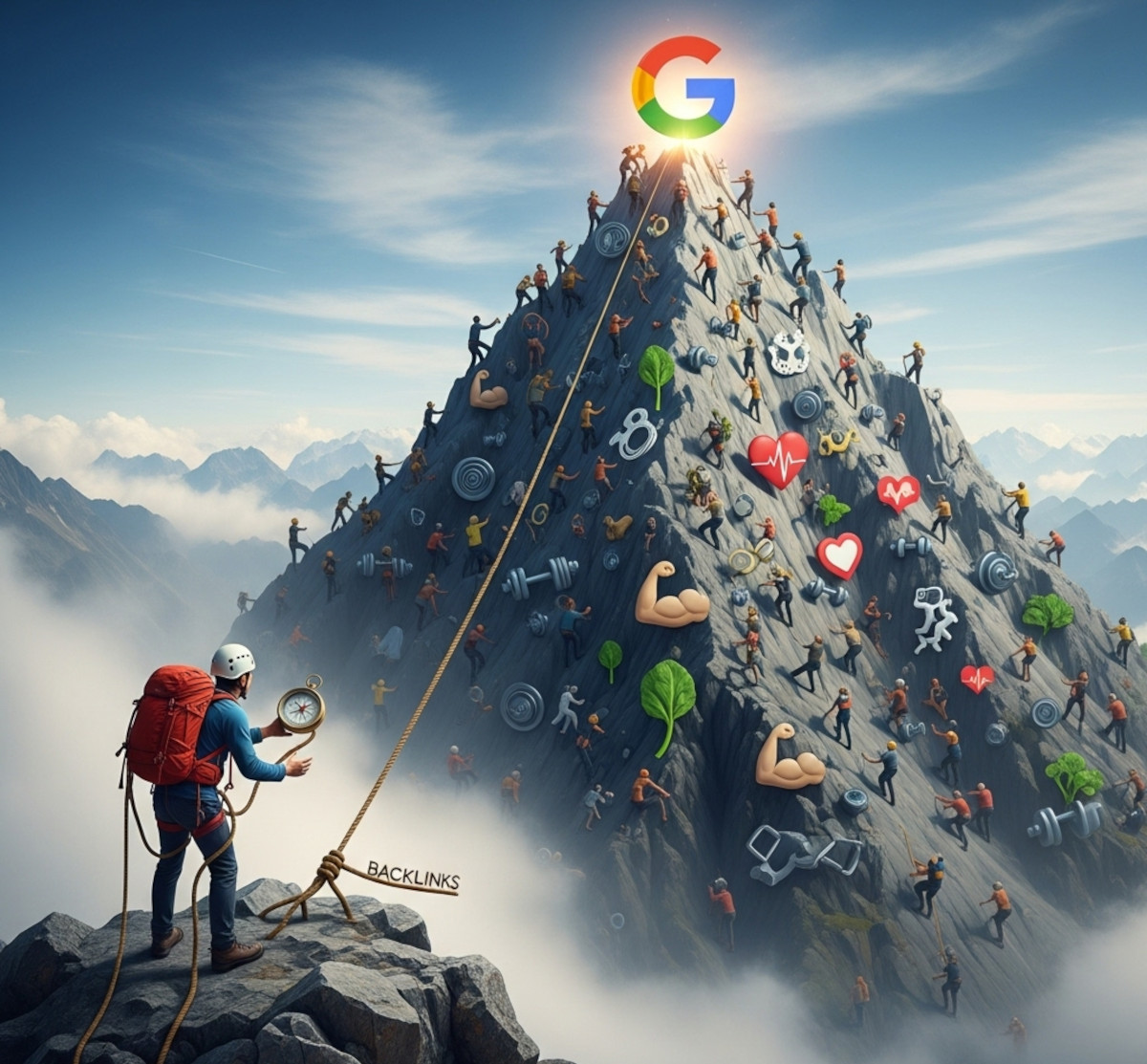
How Hard Is It for a Health and Wellness Blog or Website to Rank on Google?

Starting a health and wellness blog or website can be exciting - you get to share tips on fitness, nutrition, mental health, and overall well-being. But if your goal is to get traffic from Google, there’s a hard truth: ranking in this competitive niche is challenging. Understanding how to rank a health blog effectively is essential for success.
In this post, we’ll explore why ranking a health and wellness blog is difficult, how Google evaluates health content, and practical
... Continue reading
Posted in Ask David!, Search Engine Optimization (SEO)
Tagged ahrefs, alt tag, alt text, authority, backlinks, boost seo, boost traffic, building authority in health niche, competitive health niches, credibility, dwell time, E-A-T, E-E-A-T, eat guidelines, engagement, expertise, fast website, google keyword planner, google search engine ranking, guest posting, health and wellness blog, health blog SEO, health blog traffic, health content strategy, high-quality backlinks, high-quality content, how to rank health blog, influencers, infographics, keyword research, keyword research tool, long-tail keywords, meta description, meta titles, mobile-friendly, multimedia content, niche, on-page seo, podcasts, rank on google, responsive, responsive app, search engine optimization, semrush, seo, SEO for wellness blog, seo mistakes, seo tips, shareable content, styles manager, thin content, trustworthiness, value, videos, wellness website, ymyl, your money or your life
Leave a comment
Do Images Help SEO on Blogs and Webpages? What If You Don’t Use Them?

Short Answer:
Images can significantly boost your website’s SEO by improving engagement, visibility, and context. Skipping them won’t get you penalized — but it might cost you traffic and performance.
The Role of Images in SEO: A Deeper Look
Images are more than just decoration - they can be powerful tools for improving your content’s performance in search engines. Whether you're publishing a blog post or building a standard webpage, images can influence everything from how long people stay on
... Continue reading
Posted in Ask David!, Search Engine Optimization (SEO)
Tagged adding images, alt tags, alt text, boost seo, boost traffic, bounce rate, branding, build trust, captions, click-through rate, conversions, credibility, ctr, drive traffic, engaging content, file names, google image search, image search, James Holzhauer, jeopardy!, on-page seo, originality, readability, search engine optimization, search engine ranking, seo, seo potential, seo signals, social sharing, stock photos, stock photos vs original photos, target keywords, unique images, user engagement, user experience, user-friendly, ux, visibility, visual appeal
Leave a comment
The SEO Debate: Should You Write or Skip Meta Descriptions?

SEO is always evolving. Just when you think you've nailed best practices, something new shakes things up. The latest conversation stirring the pot? Whether you should bother writing meta descriptions at all.
That’s right - those short bits of text that show up in search engine results under your page title. For years, they’ve been a staple of on-page SEO. But now, some experts are suggesting you might be better off skipping them entirely.
Let’s break it down.
Why Some
... Continue reading
Posted in Search Engine Optimization (SEO)
Tagged algorithm changes, boost traffic, clean code, fast load times, fast-loading website, high-quality content, Jono Alderson, Mark Williams-Cook, meta description, on-page seo, performance, search engine optimization, search engine results, seo, user experience, user-friendly
Leave a comment
Do Meta Descriptions Really Matter, or Can You Leave Them Blank?

If you're building a website or optimizing your content for search engines, you've probably come across the term meta description. It's a short snippet of text that appears under your page title in search engine results. But how important is it really? Can you just skip it and let Google figure it out? You may be wondering, if meta descriptions are so important, why doesn't
... Continue reading
Posted in Search Engine Optimization (SEO)
Tagged click-through rates, content marketing, ctr, digital marketing, first impressions, Google rankings, messaging, meta descriptions, meta tags, on-page seo, ranking factor, search engine optimization, search snippets, seo, website optimization, website traffic
Leave a comment
Can You Increase Organic Traffic Without Building Backlinks? Yes – Here’s How

You’ve probably heard the phrase “content is king” - and it’s true. High-quality content is the foundation of any successful SEO strategy. But many SEO experts still emphasize backlinks as a critical ranking factor. So it’s natural to wonder: Can you increase organic traffic without building backlinks at all?
The answer is yes.
... Continue reading
Posted in Ask David!, Search Engine Optimization (SEO)
Tagged authority, backlinks, boost visibility, bounce rate, convert traffic, easy navigation, engagement, fast loading times, google algorithm, google search autocomplete, Google’s Structured Data Markup Helper, improve visibility, internal links, keywords everywhere, long-tail keywords, metadata, mobile-friendly, on-page seo, organic traffic, responsive, responsive app, rich results, rich snippets, schema markup, search engine optimization, seo, social media, social media signals, structured data, time on site, topical authority, ubersuggest, user experince, value, visibility, visit duration, webp, webp converter, website structure
Leave a comment
What are “thin pages,” and how can they hurt your On-Page SEO?

"Thin pages" are web pages that provide little to no value to users. They typically contain very little original content, lack depth, and don't adequately address the user's search intent. These pages can significantly harm your on-page SEO.
Here's a breakdown of what thin pages are and how they can negatively impact your website's search engine rankings:
Characteristics of Thin Pages:
- Low Word Count: They contain very little text, often just a few sentences or paragraphs.
- Duplicate or Scraped
Posted in Ask David!, Search Engine Optimization (SEO)
Tagged affiliate links, affiliate pages, bounce rate, content audits, crawl budget, doorway pages, duplicate content, high-quality content, internal linking, keyword stuffing, keywords, lack of value, low content quality, low word count, on-page seo, organic traffic, original content, scraped content, search engine optimization, search engine penalties, search engine ranking, seo, thin pages, user experience, user intent, website authority
Leave a comment
How to Optimize Your Website for Both Search Engines and Users

Creating content that appeals to both search engines and users is crucial for any website aiming to boost visibility and engagement. A well-optimized webpage ensures that search engines understand its relevance and quality, while also providing users with valuable, engaging, and accessible information. Here are some key strategies to achieve this balance:
1. Conduct Keyword Research
Before you even start writing your content, it’s essential to understand what your target audience is searching for. Keyword research helps identify the
... Continue reading
Posted in Ask David!, Search Engine Optimization (SEO)
Tagged accessibility, ahrefs, authority, backlinks, comments app, comments section, easy navigation, email outreach, engagement, fast-loading times, featured snippets, fonts, forms, forum, fresh content, google analytics, google keyword planner, Google Search Console, Google's algorithm, header tags, high-quality content, integrated blog, interactive, internal linking, keyword research, keyword-rich, keyword-rich urls, long-tail keywords, media outreach, meta descriptions, mobile friendly, natural language, on-page seo, organic traffic, pagespeed insights, polls, polls app, quality, quizzes, relevance, responsive, responsive app, search engine optimization, search engine ranking, semrush, seo, share media, social networking apps, target audience, title tags, ubersuggest, user experience, visuals, wordpress blog integration
Leave a comment
What are the most effective off-page SEO strategies for boosting website rankings in 2025?

In 2025, off-page SEO strategies still revolve around building authority and trust with search engines. Here are some of the most effective:
- High-Quality Backlink Acquisition:
- Focus on relevant and authoritative sources: Aim for backlinks from websites with high Domain Authority (DA) and Page Authority (PA) that are relevant to your industry.
- Prioritize natural and organic links: Earned media (e.g., press mentions, media outreach) and guest blogging on reputable sites are more valuable than paid links or link schemes.
Posted in Ask David!, Search Engine Optimization (SEO)
Tagged authority, backlink profile, backlinks, brand mentions, domain authority, E-A-T, expertise, google my business listing, Google Search Console, Google's E-A-T, high-quality content, influencer collaborations, influencer marketing, local seo, off-page seo, on-page seo, online reputation management, organic traffic, page authority, podcasts, search engine optimization, seo, seo tools, social media, social media engagement, technical seo, trust, yellow pages, yelp
Leave a comment
10 Expert Tips for Writing SEO-Friendly Blog Content
Want your blog to rank higher and attract more readers? These 10 expert tips will help you write SEO-friendly content that gets noticed by both search engines and your audience.
1. Start with Keyword Research
Use tools like Google Keyword Planner, Ahrefs, or Ubersuggest to find keywords your target audience is searching for. Focus on a primary keyword and related secondary keywords to guide your content.
Related: Think Twice Before Using Ahrefs’ New Web Analytics: Are You Giving Away
... Continue reading