




-
Recent Posts
- “My Partner Wants to Use WordPress Because 50% of the Web Uses It. Help!”
- Does EmDash Solve WordPress’s Problems, or Do You Need UltimateWB?
- How Not to Use AI: Stanford University Can Tell You
- Best Website Builder for SEO: WordPress vs. Wix vs. UltimateWB
- How to Make Sure Your Website Colors Have Enough Contrast for Accessibility
- Mobile-Friendly Website Checklist: 20 Things to Check
- Beehiiv Website Builder Review: The Problem Isn’t the Design – It’s the Lack of Control
- Elementor’s “Angie” AI Is More Than Bloat: Credits, Subscriptions, and a Growing Platform Problem
- How to Pass Google Business Profile Video Verification for Service Businesses
- The Great Deskilling: Why AI Dependence is Turning Developers into Prompt Babysitters
- The Three-Month Fuse: The Everest Forms Pro Attack and Why a Patched Plugin Can Still Put Websites at Risk
- Computer Screen Has Black Bars on the Sides: How to Fix It
- Could AI Make Humans Extinct Within the Next Decade?
- Is Weebly Getting Out of the Website-Builder Business?
- Are You “Leaking SEO” by Linking to Other Websites?
- Wix Harmony Is Now in Google Gemini. So Why Are Users Still Complaining?
- When AI Sounds Confident but Gets It Wrong: The Mount Shasta Rescue
- When AI Agents Start Working Together, Who Is Really in Control?
Categories
Tag Archives: social sharing
How to Evaluate All-in-One Website Builders? Features, Performance, Scalability, Maintenance

Choosing the right website builder can be overwhelming. Some platforms look impressive but are limited behind plugins or templates, while others are flexible but bloated and slow. The key is knowing how to evaluate all-in-one website builders so you pick a platform that balances functionality, performance, and growth potential.
This guide explains what to look for, why certain features matter, and actionable steps you can take to make an informed decision.
What “All-in-One” Really Means
A true all-in-one website builder
... Continue reading
Posted in Ask David!, Compare Website Builders
Tagged all-in-one website builder, analytics, bloat, choosing a website builder, clean code, clean url, cms, CMS features, core web vitals, css, custom url, e-commerce, e-commerce platforms, fast load times, flexible, html, inventory management, js, meta description, meta tags, meta title, mobile-friendly, mysql, page load, pagespeed insights, payment gateway, php, plugins, responsive, scalability, search engine optimization, seo, seo tools, sitemap, social sharing, templates, third party plugins., web design, website builder comparison, website performance
Leave a comment
Do Images Help SEO on Blogs and Webpages? What If You Don’t Use Them?

Short Answer:
Images can significantly boost your website’s SEO by improving engagement, visibility, and context. Skipping them won’t get you penalized — but it might cost you traffic and performance.
The Role of Images in SEO: A Deeper Look
Images are more than just decoration - they can be powerful tools for improving your content’s performance in search engines. Whether you're publishing a blog post or building a standard webpage, images can influence everything from how long people stay on
... Continue reading
Posted in Ask David!, Search Engine Optimization (SEO)
Tagged adding images, alt tags, alt text, boost seo, boost traffic, bounce rate, branding, build trust, captions, click-through rate, conversions, credibility, ctr, drive traffic, engaging content, file names, google image search, image search, James Holzhauer, jeopardy!, on-page seo, originality, readability, search engine optimization, search engine ranking, seo, seo potential, seo signals, social sharing, stock photos, stock photos vs original photos, target keywords, unique images, user engagement, user experience, user-friendly, ux, visibility, visual appeal
Leave a comment
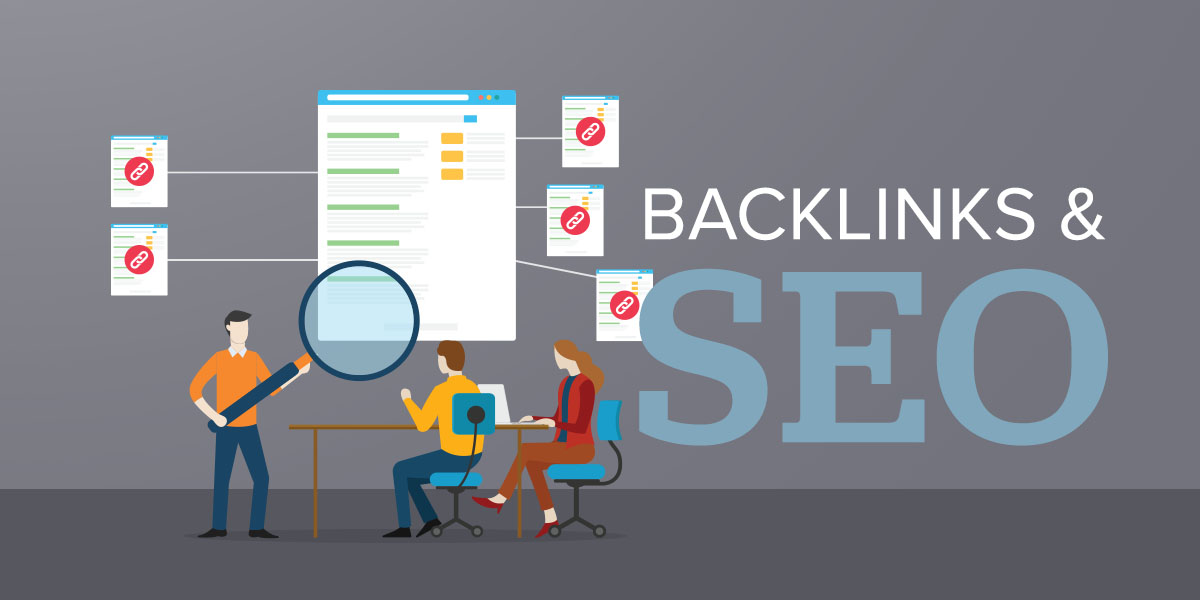
What is the best strategy to get high-quality SEO backlinks?

Crafting a Robust Backlink Strategy for SEO Success
A strong backlink profile is a cornerstone of effective SEO. Here are some of the most effective strategies to acquire high-quality backlinks:
1. Create Exceptional, Shareable Content:
- High-Quality Content: Develop informative, engaging, and visually appealing content that solves a problem or provides unique value.
- Data-Driven Content: Incorporate original research, statistics, or data visualizations to attract attention and backlinks.
- Interactive Content: Use interactive elements like quizzes, calculators, or
Posted in Ask David!, Search Engine Optimization (SEO)
Tagged anchor text, backlinks, black-hat tactics, broken link building, broken links, domain authority, engagement, guest posting, high-quality content, interactive, interactive elements, monitor backlinks, natural link placement, organic traffic, polls, resource pages, search engine optimization, seo, social sharing, surveys, white hat strategy
Leave a comment
Is a blog the best way to build up your SEO and search engine ranking?

A blog is indeed one of the most effective and commonly used methods to build up your SEO (Search Engine Optimization) and improve your search engine ranking. Here's why a blog can be a powerful tool for enhancing your SEO efforts:
1. Fresh and Relevant Content: Search engines love fresh, relevant, and high-quality content. A blog allows you to consistently publish new articles, which can attract both search engine crawlers and users looking for valuable information.
2. Targeted Keywords: Blogs
... Continue reading