




-
Recent Posts
- “My Partner Wants to Use WordPress Because 50% of the Web Uses It. Help!”
- Does EmDash Solve WordPress’s Problems, or Do You Need UltimateWB?
- How Not to Use AI: Stanford University Can Tell You
- Best Website Builder for SEO: WordPress vs. Wix vs. UltimateWB
- How to Make Sure Your Website Colors Have Enough Contrast for Accessibility
- Mobile-Friendly Website Checklist: 20 Things to Check
- Beehiiv Website Builder Review: The Problem Isn’t the Design – It’s the Lack of Control
- Elementor’s “Angie” AI Is More Than Bloat: Credits, Subscriptions, and a Growing Platform Problem
- How to Pass Google Business Profile Video Verification for Service Businesses
- The Great Deskilling: Why AI Dependence is Turning Developers into Prompt Babysitters
- The Three-Month Fuse: The Everest Forms Pro Attack and Why a Patched Plugin Can Still Put Websites at Risk
- Computer Screen Has Black Bars on the Sides: How to Fix It
- Could AI Make Humans Extinct Within the Next Decade?
- Is Weebly Getting Out of the Website-Builder Business?
- Are You “Leaking SEO” by Linking to Other Websites?
- Wix Harmony Is Now in Google Gemini. So Why Are Users Still Complaining?
- When AI Sounds Confident but Gets It Wrong: The Mount Shasta Rescue
- When AI Agents Start Working Together, Who Is Really in Control?
Categories
Tag Archives: meta tags
What Many “Best Website Builder for SEO” Articles Get Wrong

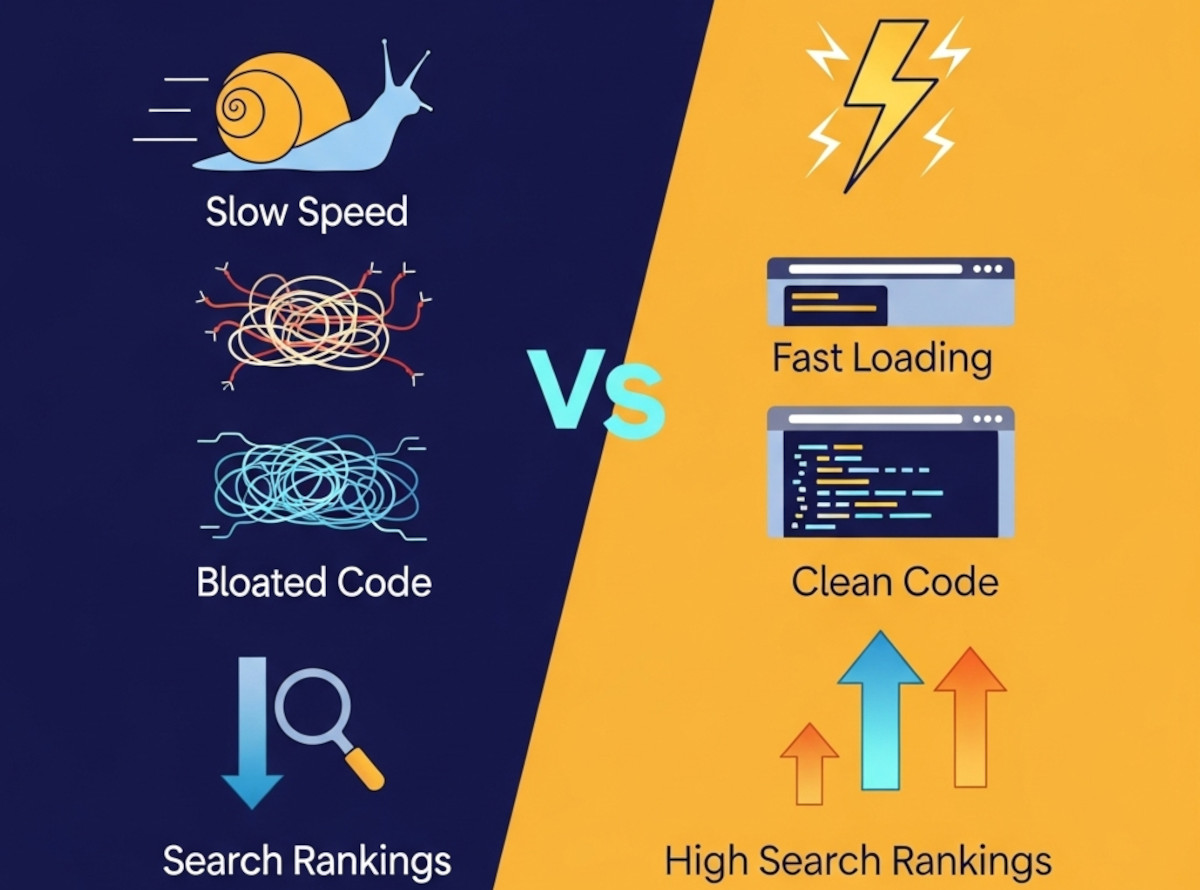
UltimateWB is a website builder designed around SEO fundamentals: clean, crawlable code, fast performance, built-in SEO tools, and full control over hosting and server configuration.
Search for “best website builder for SEO” and you’ll usually see the same names repeated: WordPress, Wix, Webflow, Shopify, Squarespace.
That repetition isn’t accidental. Many of these lists favor platforms with strong brand recognition and large affiliate programs - factors that don’t always correlate with technical SEO quality.
This article
... Continue reading
Posted in Compare Website Builders, Search Engine Optimization (SEO)
Tagged best website builder for seo, bloat, caching, clean code, clean code SEO, clean url, core web vitals, crawlability, css, custom code, dom size, downloadable website builder, engagement, fast load times, fast website, flexibility, high-quality content, hosted platform, html, javascript, meta description, meta tags, meta title, page experience, page speed, page speed insights, performance, php, ranking factor, rankings, redirect, saas, saas platform, saas website builder, scalability, search engine optimization, search engine ranking, security risks, self-hosted website builder, seo, seo comparison, SEO fundamentals, seo mistakes, SEO tips 2025, seo-friendly urls, sitemap, sitemap generator, technical seo, third-party plugins, url structure, website builder comparison, website builder features, Website Builder SEO, website maintainance, website performance SEO, website speed
Leave a comment
How to Evaluate All-in-One Website Builders? Features, Performance, Scalability, Maintenance

Choosing the right website builder can be overwhelming. Some platforms look impressive but are limited behind plugins or templates, while others are flexible but bloated and slow. The key is knowing how to evaluate all-in-one website builders so you pick a platform that balances functionality, performance, and growth potential.
This guide explains what to look for, why certain features matter, and actionable steps you can take to make an informed decision.
What “All-in-One” Really Means
A true all-in-one website builder
... Continue reading
Posted in Ask David!, Compare Website Builders
Tagged all-in-one website builder, analytics, bloat, choosing a website builder, clean code, clean url, cms, CMS features, core web vitals, css, custom url, e-commerce, e-commerce platforms, fast load times, flexible, html, inventory management, js, meta description, meta tags, meta title, mobile-friendly, mysql, page load, pagespeed insights, payment gateway, php, plugins, responsive, scalability, search engine optimization, seo, seo tools, sitemap, social sharing, templates, third party plugins., web design, website builder comparison, website performance
Leave a comment
Are free website builders worth it for small businesses?

Or do free website builders hurt more than they help?
When you’re growing a small business, keeping expenses low feels like the only smart move. So it’s natural to try every free website builder you can find - Wix free plan, Weebly free plan, Webnode, Google Sites, you name it.
On the surface, they seem perfect:
✔ quick setup
✔ no upfront cost
✔ drag-and-drop builder
✔ decent starter templates
But here’s the real question every small business eventually
... Continue reading
Posted in Compare Website Builders
Tagged bounce rate, build trust, cookie-cutter, custom domain, drag-and-drop website builder, fast website, fast-loading times, free website builderes, generate leads, Google Sites, growth, meta tags, mobile-friendly, outdated, red flag, reliability, responsive, scalability, seo, sitemap, slow website, trust, webnode, weebly, Wix
Leave a comment
What Makes UltimateWB Easier to Use Than WordPress

When choosing a platform to build your website, ease of use is one of the most important factors.
You might have initially gravitated towards WordPress because it’s popular. But that doesn't mean much when you are deep in plugin chaos - from compatibility issues to security issues. Maintenance can become a nightmare with each core update.
Worse, getting the features you want and need - even a simple contact form - can often require a frustrating search through thousands of
... Continue reading
Posted in Compare Website Builders
Tagged asy website builder, caching, clean urls, compatibility issues, customizable website builder, easier than WordPress, easy maintenance, meta tags, performance, plugin-free website builder, plugins, scalability, scalable website builder, security issues, security vulnerabilities, SEO built in, sitemap, third party plugins, UltimateWB vs WordPress, webp, website builder comparison, website speed, WordPress, WordPress alternatives, yoast seo
Leave a comment
Website Builder vs. Content Management System (CMS): Which One Do You Need?

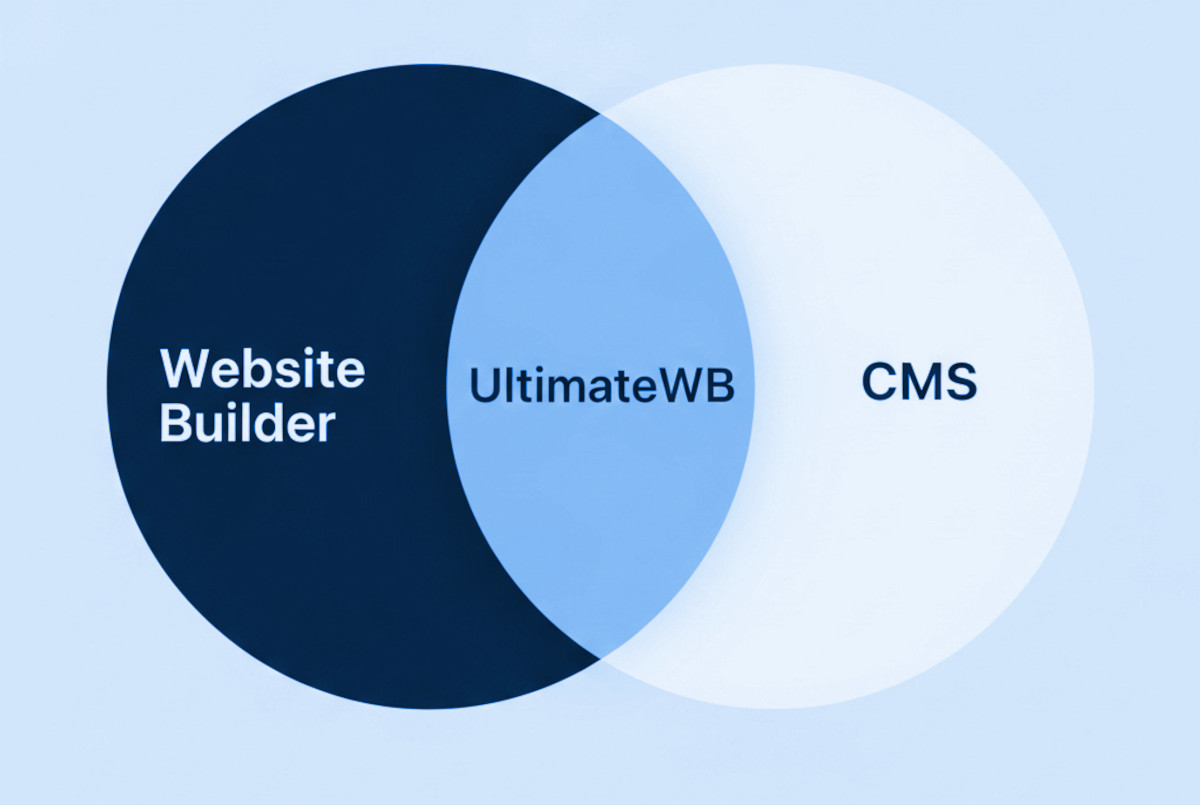
If you’re researching how to create a website, you’ve probably come across the terms “website builder” and “CMS” (Content Management System). Many people think a website builder and a CMS are completely different - and in the way these terms are used in marketing, they usually are. But in reality, a CMS is a type of website builder, and some website builders (like UltimateWB) are also full CMS platforms.
Think of it like squares and rectangles:
- All CMS
Posted in Ask David!, Compare Website Builders
Tagged beginner friendly, clean url, cms, content management system, css, customization, e-commerce website, fast website, html, javascript, meta tags, no coding required, no-code website builder, powerful website builder, search engine optimization, seo, seo-friendly, small business website, speed, web hosting, web hosting choice, website builder, website builder vs cms, website building, website design, website platform comparison, website speed
Leave a comment
How to Optimize Your Webpages So They Get Found by Search Engines and AI (LLMs)?

If you want your website to get noticed online, it’s important to make sure it’s easy to find and understand - not just by search engines like Google, but also by the latest AI technologies powered by something called large language models, or LLMs for short.
These LLMs - including well-known ones like OpenAI’s GPT-4 (used in ChatGPT), Google’s Gemini, Anthropic’s Claude, and Meta’s LLaMA - are advanced AI systems that read and interpret text on the web to answer
... Continue reading
Posted in AI, Ask David!, Search Engine Optimization (SEO)
Tagged accessibility, ai, anthropic, chatgpt, claude, faq, fast loading times, fast website, fresh content, gemini, Google Search Console, google search engine ranking, headings, high-quality conetnt, keywords, llama, llm, meta, meta description, meta tags, meta title, mobile-friendly, OpenAI, responsive, responsive app, schema markup, search snippets, structure, subheadings, trustworthy, usability
Leave a comment
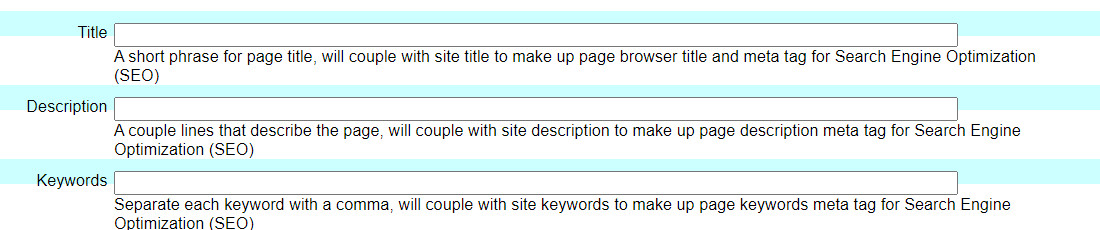
Should You Fix Meta Tags on Every Page? Here’s When It Matters (and When It Doesn’t)

If you're diving into SEO and using tools like Ahrefs or SEMrush, you may run into a common issue: pages flagged for having meta titles or descriptions that are too long. When this happens on hundreds of pages, it raises a practical question:
Do you really need to fix meta tags on every page? Or just some?
The answer isn’t one-size-fits-all. Let’s break down when meta tags matter, when they don’t, and how to prioritize your time and effort.
... Continue reading
Posted in Search Engine Optimization (SEO)
Tagged ahrefs, click-through rate, ctr, google search engine ranking, google search results, high-quality content, impressions, meta description, meta tags, meta title, metadata, return on investment, roi, search engine optimization, search engine result pages, search snippets, semrush, seo, serps, title tag
Leave a comment
10 Essential Website Design Features Your Website Needs

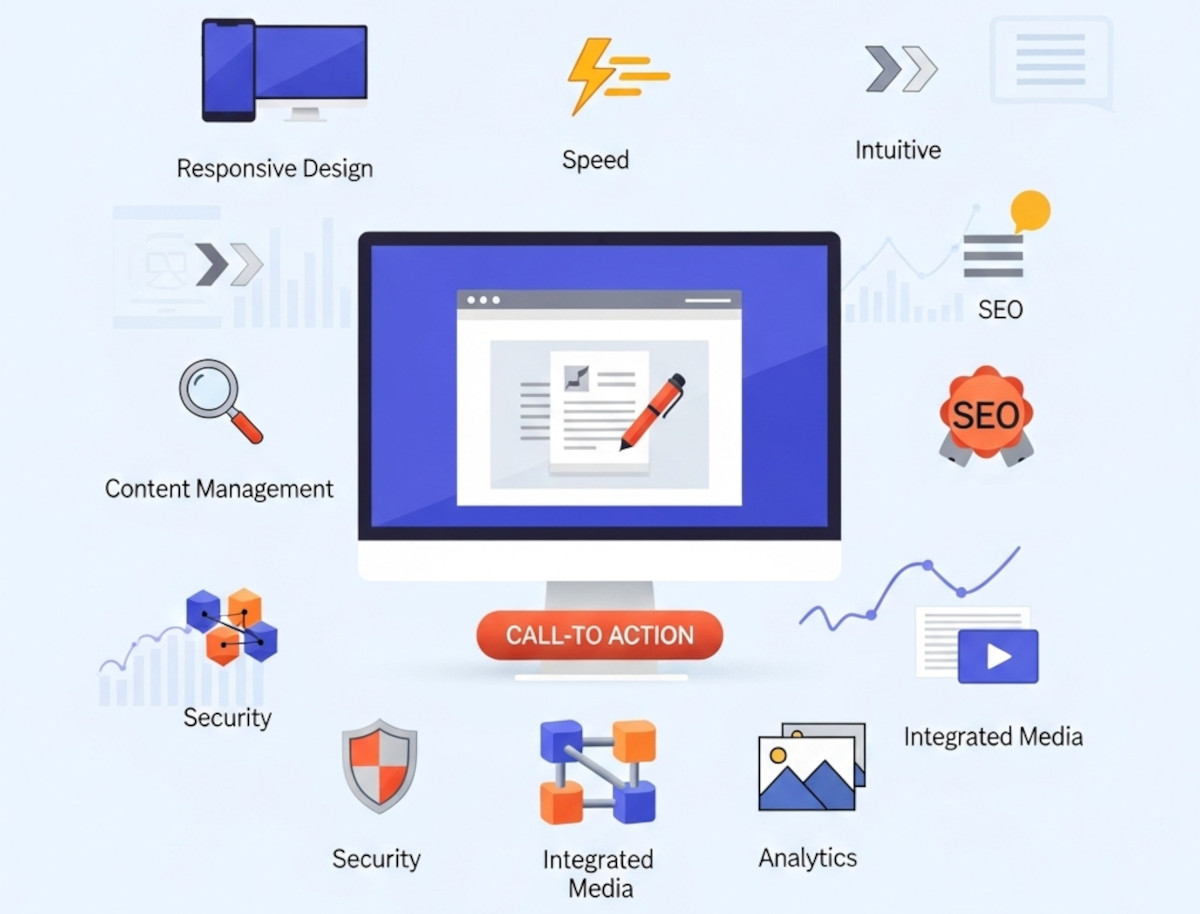
Whether you're building your first website or looking to upgrade an existing one, understanding the key website design features can make or break your success online. A well-designed site isn't just about looking good - it should function seamlessly, load quickly, and help convert visitors into customers.
At UltimateWB, we know that having the right design features baked into your site is just as important as the content you publish. Here’s our ultimate list of website design features you
... Continue reading
Posted in Website Design
Tagged accessibility, alt text, bounce rate, bounce rates, build trust, built-in features, call-to-action, clean urls, clicks, cms, conversions, cta, easy navigation, easy updates, fast loading times, fast website, flexibility, Google Search Console, https, meta tags, mobile-friendly, responsive, responsive app, responsive design, scalability, search engine optimization, security, seo, sitemap, sitemap generator, spam controls, template lock, user experience, webp, webp converter, website design features, Wix, xml
Leave a comment
Do Website Builders Hurt SEO?

If you’ve been researching how to improve your website’s SEO, you’ve probably heard the rumor:
“Website builders are bad for SEO.”
But is it true?
The short answer: It depends on the builder.
Let’s break down the facts, so you know what to look for - and what to avoid - when choosing a website builder that won’t hold back your rankings.
Not All Website Builders Are Created Equal
Many drag-and-drop platforms on the market today - like Wix
... Continue reading
Posted in Compare Website Builders, Search Engine Optimization (SEO)
Tagged bloat, clean code, clean urls, compare website builders, fast load times, google ranking, headers, messy code, meta tags, mobile-friendly, plugins, responsive, responsive app, schema, search engine optimization, search engine ranking, seo, seo tools, seo-friendly, sitemap, sitemap generator, structure, user experience, webp converter, WebP images, website builders, website speed
Leave a comment
Do Meta Descriptions Really Matter, or Can You Leave Them Blank?

If you're building a website or optimizing your content for search engines, you've probably come across the term meta description. It's a short snippet of text that appears under your page title in search engine results. But how important is it really? Can you just skip it and let Google figure it out? You may be wondering, if meta descriptions are so important, why doesn't
... Continue reading
Posted in Search Engine Optimization (SEO)
Tagged click-through rates, content marketing, ctr, digital marketing, first impressions, Google rankings, messaging, meta descriptions, meta tags, on-page seo, ranking factor, search engine optimization, search snippets, seo, website optimization, website traffic
Leave a comment