


-
Recent Posts
- “My Partner Wants to Use WordPress Because 50% of the Web Uses It. Help!”
- Does EmDash Solve WordPress’s Problems, or Do You Need UltimateWB?
- How Not to Use AI: Stanford University Can Tell You
- Best Website Builder for SEO: WordPress vs. Wix vs. UltimateWB
- How to Make Sure Your Website Colors Have Enough Contrast for Accessibility
- Mobile-Friendly Website Checklist: 20 Things to Check
- Beehiiv Website Builder Review: The Problem Isn’t the Design – It’s the Lack of Control
- Elementor’s “Angie” AI Is More Than Bloat: Credits, Subscriptions, and a Growing Platform Problem
- How to Pass Google Business Profile Video Verification for Service Businesses
- The Great Deskilling: Why AI Dependence is Turning Developers into Prompt Babysitters
- The Three-Month Fuse: The Everest Forms Pro Attack and Why a Patched Plugin Can Still Put Websites at Risk
- Computer Screen Has Black Bars on the Sides: How to Fix It
- Could AI Make Humans Extinct Within the Next Decade?
- Is Weebly Getting Out of the Website-Builder Business?
- Are You “Leaking SEO” by Linking to Other Websites?
- Wix Harmony Is Now in Google Gemini. So Why Are Users Still Complaining?
- When AI Sounds Confident but Gets It Wrong: The Mount Shasta Rescue
- When AI Agents Start Working Together, Who Is Really in Control?
Categories
Tag Archives: url structure
The Right Way vs. The Wrong Way to Do Programmatic SEO (pSEO)

If you’ve been tracking digital marketing trends lately, you’ve likely run across the phrase Programmatic SEO (pSEO). The pitch is incredibly seductive: instead of writing blog posts one by one, you connect a database to a page template, press a button, and instantly deploy thousands of pages targeting long-tail search terms.
Traffic multiplies overnight, you dominate the search engine results pages (SERPs), and you win.
Except, that’s exactly how you get your entire domain penalized and deindexed.
... Continue reading
Posted in Search Engine Optimization (SEO)
Tagged algorithm changes, authority, automated page generation, bloat, core web vitals, database, duplicate content, google algorithm, google algorithm penalties, Google Search Console, google search engine ranking, indexing, long-tail keywords, organic traffic, plugins, programmatic seo, pseo, scalable, scaled content abuse, search engine results pages, seo, serps, spam, thin content, third-party plugins, trust, trustworthy, url structure, visibility, webflow, WordPress
Leave a comment
What Many “Best Website Builder for SEO” Articles Get Wrong

UltimateWB is a website builder designed around SEO fundamentals: clean, crawlable code, fast performance, built-in SEO tools, and full control over hosting and server configuration.
Search for “best website builder for SEO” and you’ll usually see the same names repeated: WordPress, Wix, Webflow, Shopify, Squarespace.
That repetition isn’t accidental. Many of these lists favor platforms with strong brand recognition and large affiliate programs - factors that don’t always correlate with technical SEO quality.
This article
... Continue reading
Posted in Compare Website Builders, Search Engine Optimization (SEO)
Tagged best website builder for seo, bloat, caching, clean code, clean code SEO, clean url, core web vitals, crawlability, css, custom code, dom size, downloadable website builder, engagement, fast load times, fast website, flexibility, high-quality content, hosted platform, html, javascript, meta description, meta tags, meta title, page experience, page speed, page speed insights, performance, php, ranking factor, rankings, redirect, saas, saas platform, saas website builder, scalability, search engine optimization, search engine ranking, security risks, self-hosted website builder, seo, seo comparison, SEO fundamentals, seo mistakes, SEO tips 2025, seo-friendly urls, sitemap, sitemap generator, technical seo, third-party plugins, url structure, website builder comparison, website builder features, Website Builder SEO, website maintainance, website performance SEO, website speed
Leave a comment
Best Practices for Improving Search Engine Visibility

Here are some specific best practices you can incorporate into your SEO strategy:
On-Page Optimization
- Keyword Placement: Strategically place your target keywords in your page title, meta description, headings, and body content. Avoid keyword stuffing.
- Content Quality: Create high-quality, informative, and engaging content that meets the search intent of your target audience.
- Page Structure: Use a clear and logical structure with headings and subheadings to improve readability and search engine understanding.
- Image Optimization: Use descriptive alt text for images, compress
Posted in Search Engine Optimization (SEO)
Tagged alt tags, baclinks, clean urls, compress images, fast loading times, headings, high-quality content, image optimization, local seo, mobile friendly, off-page seo, on-page optimization, on-page seo, page speed, page structure, pretty urls, sitemap, sitemap generator, social media, subheadings, target keywords, technical seo, url structure, xml, xml sitemap
Leave a comment
How can you tell if a website was created using UltimateWB, WordPress, Squarespace, Weebly, WIX, or other website builders?
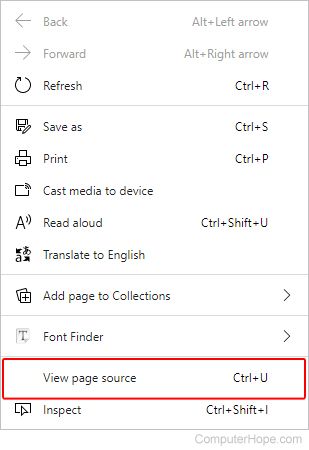
Determining the platform a website was created with often involves looking for specific markers or signatures in the site's HTML, CSS, and JavaScript. Here are some methods and tips to identify the platform:
1. View the Page Source
- Right-click on the webpage and select "View Page Source" or "Inspect".
2. Check for Specific Markers
UltimateWB
- UltimateWB sites have specific mentions of "Ultimate Web Builder" or "UltimateWB" in the HTML comments or meta tags.
WordPress
- Look for comments in the HTML
Do domain URL variants or structures matter in SEO?
Yes, domain URL variants and structures do impact SEO - search engine optimization - in several ways. Here's a breakdown of key factors to consider:
1. URL Structure and Readability:
- Clear and concise URLs: Use descriptive keywords that accurately reflect page content. Avoid unnecessary parameters or long strings of numbers.
- Logical hierarchy: Organize URLs in a logical, easy-to-follow structure, mirroring your website's navigation. This helps search engines and users understand the relationships between pages.
- Example: we have in our support forums, www.ultimatewb.com/uwb-full-feature-questions/509/extending-ultimatewb-website-builder-adding-code-etc ,
Posted in Ask David!, Search Engine Optimization (SEO)
Tagged clear urls, concise urls, domain, Google Search Console, htaccess, https, logical hierarchy, mobile friendly, redirect sample code, redirect to www, responsive, responsive app, search engine optimization, seo, ssl, ultimatewb cloud, url structure, url variants, user friendly, web hosting packages
Leave a comment
SEO Tips: How to effectively use keywords on your webpage?

Using keywords effectively is one of the most important aspects of SEO. However, the "old school" method of stuffing keywords into your content is no longer effective and can actually penalize your site. In 2026, search engines prioritize natural language, user intent, and E-E-A-T (Experience, Expertise, Authoritativeness, and Trustworthiness).
Here is how to effectively place and use keywords to help your webpage rank higher while keeping your content human-centric.
1. The Strategic Placement: Where Keywords Matter Most
Search engines
... Continue reading
Posted in Ask David!, Search Engine Optimization (SEO)
Tagged accessibility, E-E-A-T, header tags, image alt text, increase traffic, keywords, long-tail keywords, search engine optimization, search engine optimization tips, search engine ranking, seo, synonyms, target keywords, title tag, url structure, user intent
Leave a comment
What are pretty or clean URLs? They are good and UltimateWB has them!
If you're shopping around for a website builder, chances are you came across the term pretty URLs, or clean URLs. If you're wondering what makes a URL pretty or clean, here's the scoop.
First things first, it's good to know that pretty/clean URLs are good and you want them for your website!
A URL is pretty or clean when it is in an easily readable format for people. So, the URL consists of mostly words, with forward slashes "/" to
... Continue reading