





-
Recent Posts
- Could AI Make Humans Extinct Within the Next Decade?
- Is Weebly Getting Out of the Website-Builder Business?
- Are You “Leaking SEO” by Linking to Other Websites?
- Wix Harmony Is Now in Google Gemini. So Why Are Users Still Complaining?
- When AI Sounds Confident but Gets It Wrong: The Mount Shasta Rescue
- When AI Agents Start Working Together, Who Is Really in Control?
- WPForms and Rank Math: Did These WordPress Plugins Create a Backdoor With Admin Access?
- AI Can Text Your Friends for You. Wait, Who Am I Talking To?
- Bill Gates Is Betting on AI to Help Healthcare – While Warning About What AI Could Do to Jobs
- Wix Says AI Website Owners Should Care About Portability. There’s Just One Problem.
- WordPress 7.1 Broke WP Rocket: The Fatal Error and the Plugin Problem
- WordPress vs. UltimateWB for an Artist Website: Which Should You Choose?
- Thinking About Switching From WordPress? What Should You Consider Before You Move?
- The Airtable Acquisition Raises a Bigger Question: Do You Really Own the Software Your Business Runs On?
- How to Use Google Search Console’s New Generative AI Data to Improve Your SEO
- How to Update the Same Website Content on Multiple Pages at Once
- Discovered vs. Crawled Not Indexed in Google Search Console: What’s the Difference and How to Fix Each
- The Small Business Guide to Auditing Google Ads and Website Costs
Categories
Tag Archives: E-E-A-T
Why is the Discover tab missing now from Google Search Console?

"Ask David" question:
"I noticed today that the Discover tab is completely missing from my left-hand sidebar in Google Search Console. It used to be under the Performance section, but now it’s just gone. Did my account break, or did Google remove this feature?"
Answer:
Don't worry, your account isn't broken. If you are wondering why the Discover tab is missing now from your Google Search Console page, it comes down to a specific built-in feature of Google's
... Continue reading
Posted in Ask David!, Search Engine Optimization (SEO), Website Traffic
Tagged core web vitals, discover, E-E-A-T, evergreen content, Google algorithm update, google analytics, Google Search Console, high-quality conetnt, mobile-friendly, responsive, robots, robots meta tag, search engine optimization, seo, trust, trust signals
Leave a comment
Does Google still use PageRank to rate your website?

"Ask David" short answer: yes. While you can’t see it anymore, PageRank is still a "core" part of how Google determines which websites are trustworthy and important.
Related: What Makes a Simple Website Feel Trustworthy? (From Real User Experience, Not Theory)
However, the PageRank of today is very different from the simple "0 to 10" score people obsessed over in the early 2000s.
How PageRank Works in 2026
In the early days, PageRank was the primary way Google ranked
... Continue reading
Posted in Ask David!, Search Engine Optimization (SEO)
Tagged ahref, Ahrefs Domain Rating, authority, backlinks, E-E-A-T, experience, expertise, google, google algorithm, google pagerank, google ranking, high value link, important, internal linking, Larry Page, link spam, low value link, moz, Moz Domain Authority, new york times, pagerank, reasonable surfer, seed set, stanford, trustworthy, useful, wikipedia
Leave a comment
Google Algorithm Penalties Explained: What They Are, Why They Happen, and How to Recover

Google doesn’t like surprises. Website owners, on the other hand, often get one they didn’t ask for: a sudden drop in traffic, rankings vanishing overnight, and pages that once dominated search results quietly disappearing.
In most cases, that shock traces back to Google algorithm penalties.
If you’ve ever wondered what Google actually penalizes, how algorithmic penalties differ from manual actions, or whether recovery is even possible, this guide breaks it all down - clearly, accurately, and
... Continue reading
Posted in AI, Search Engine Optimization (SEO), Website Traffic
Tagged ai, AI content, AI-generated content, auto-generated content, backlink cleanup, backlink profile, backlinks, bounce rate, content depth, content quality, core web vitals, crawl, credibility, duplicate content, E-E-A-T, engagement, engagement signals, experience, expertise, fast-loading website, google algorithm, google algorithm penalties, Google algorithm update, google core updates, google panda, google penguin, Google rankings, Google Search Console, helpful content, high-quality content, keyword stuffing, layout shift, link spam, low-quality, mobile-friendly, page experience, search engine optimization, search engine ranking, search intent, search intent match, seo, seo guide, slow load times, slow website, spammy, thin content, thin pages, trust, user experience, ux signals, visibility, website optimization, website traffic
Leave a comment
What Is YMYL and Why It Matters for Your Website’s SEO

Understanding Google’s High-Stakes Quality Standards for “Your Money or Your Life” Pages
If your website offers information that could affect a person’s finances, health, safety, or overall well-being, you need to know about YMYL - short for Your Money or Your Life. Google uses this term to classify high-impact web content and applies especially strict quality standards to it. For business owners, bloggers, and developers, understanding YMYL and how to meet Google’s expectations is key to gaining visibility -
... Continue reading
Posted in Search Engine Optimization (SEO)
Tagged about page, accurate, authority, brand authority, cite sources, credibility, e-commerce, E-E-A-T, financial information, higher standard, https, legal information, list credentials, medical information, news, niche, online shopping, public affaris, reviews, search engine optimization, sensitive niche, seo, seure, testimonials, trustworthy, visibility, website ranking, ymyl, your money or your life
Leave a comment
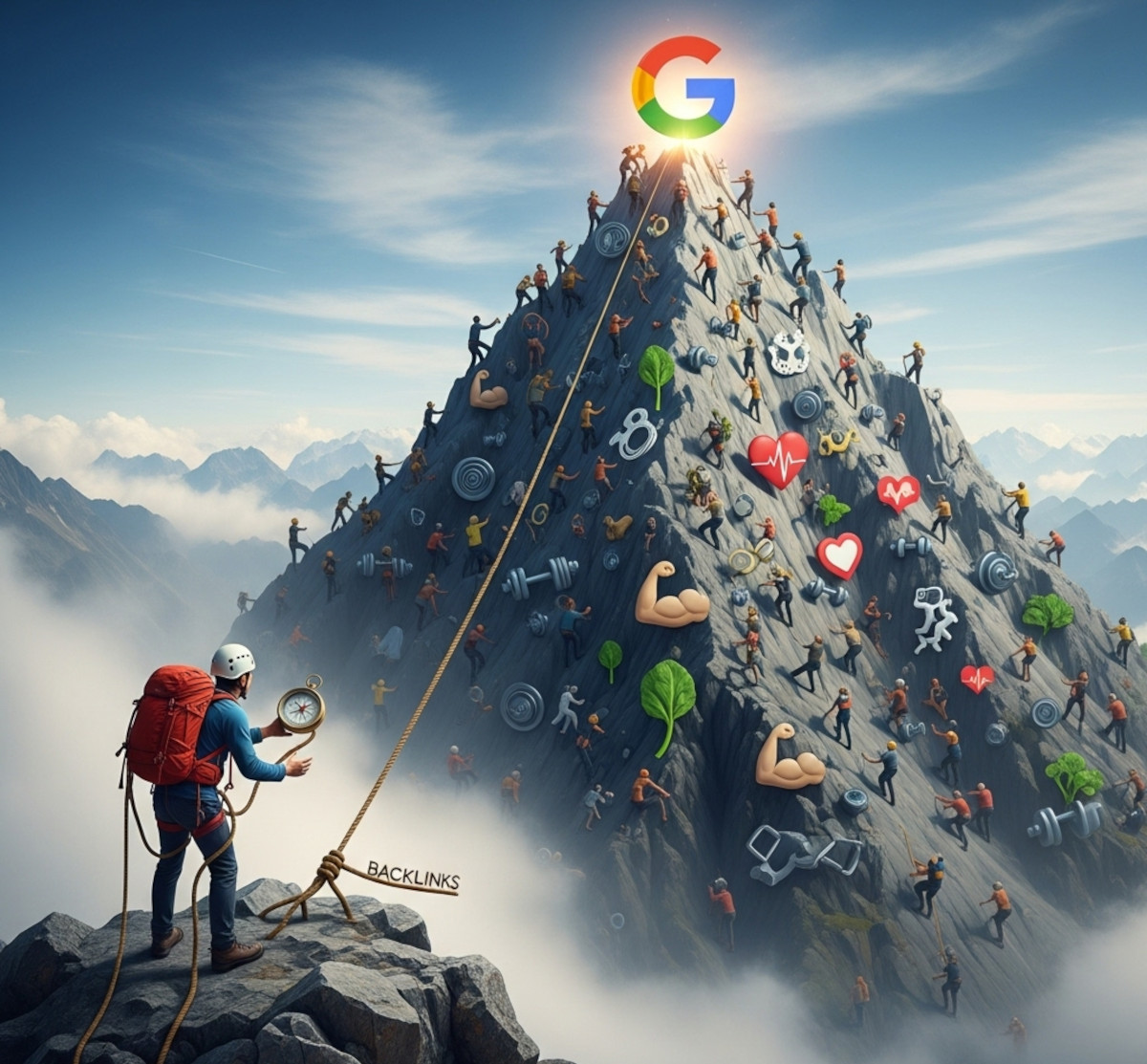
How Hard Is It for a Health and Wellness Blog or Website to Rank on Google?

Starting a health and wellness blog or website can be exciting - you get to share tips on fitness, nutrition, mental health, and overall well-being. But if your goal is to get traffic from Google, there’s a hard truth: ranking in this competitive niche is challenging. Understanding how to rank a health blog effectively is essential for success.
In this post, we’ll explore why ranking a health and wellness blog is difficult, how Google evaluates health content, and practical
... Continue reading
Posted in Ask David!, Search Engine Optimization (SEO)
Tagged ahrefs, alt tag, alt text, authority, backlinks, boost seo, boost traffic, building authority in health niche, competitive health niches, credibility, dwell time, E-A-T, E-E-A-T, eat guidelines, engagement, expertise, fast website, google keyword planner, google search engine ranking, guest posting, health and wellness blog, health blog SEO, health blog traffic, health content strategy, high-quality backlinks, high-quality content, how to rank health blog, influencers, infographics, keyword research, keyword research tool, long-tail keywords, meta description, meta titles, mobile-friendly, multimedia content, niche, on-page seo, podcasts, rank on google, responsive, responsive app, search engine optimization, semrush, seo, SEO for wellness blog, seo mistakes, seo tips, shareable content, styles manager, thin content, trustworthiness, value, videos, wellness website, ymyl, your money or your life
Leave a comment
Can You Publish Content Too Fast for Google? And Does Consistency Matter?

This topic is often misunderstood in SEO circles. Here’s the straightforward truth: You generally cannot publish content too fast in terms of volume alone - but if speed compromises quality, then yes, it’s a problem. And consistency absolutely matters, though maybe not exactly as you expect.
Can You Publish Content Too Fast for Google?
No - not inherently. Google’s main goal is to serve users the most relevant and high-quality content. John Mueller, Search Advocate from Google, has
... Continue reading
Posted in Ask David!, Search Engine Optimization (SEO), Web Content
Tagged AI-generated content, authority, boost seo, brand loyalty, build trust, content frequency, E-E-A-T, engagement, expertise, faster indexing, google, Google Search Advocate, high-quality content, John Mueller, keyword competition, search engine crawl, search engine optimization, seo, seo tips, thin content, thin pages, topical authority, user engagement signals
Leave a comment
How to Boost Your Organic Traffic with Google Discover: A Powerful Alternative to Search Rankings

Google Search Console (GSC) provides webmasters with valuable insights into how their websites perform in search results and beyond. One of the features within GSC is "Performance on Discover," which tracks how content appears and performs on Google Discover.
What Is Google Discover?
Google Discover is a personalized content feed primarily available on mobile devices through the Google app and Chrome browser, but it also optimizes content for larger screens. Unlike traditional search, where users enter queries, Google Discover proactively
... Continue reading
Posted in Ask David!, Search Engine Optimization (SEO)
Tagged authority, boost traffic, click-through rate, clicks, core web vitals, credibility, ctr, date range analysis, domain authority, E-A-T, E-E-A-T, engaging headlines, fast-loading times, fast-loading website, google discover, Google Search Console, gsc, high-quality content, high-quality images, impressions, mobile-friendly, organic traffic, pagespeed insights, performance on discover, responsive, responsive app, shareable content, top-performing pages, user engagement
Leave a comment
How to Build a Website That Ranks and Converts with E-E-A-T

Creating a website that ranks well on search engines and converts visitors into customers requires more than just having good content. It requires a solid strategy, combining search engine optimization (SEO) with the principles of E-E-A-T: Experience, Expertise, Authoritativeness, and Trustworthiness. These elements are key to Google's algorithms and can have a major impact on your site's visibility and user engagement.
Here’s a step-by-step guide to help you build a website that not only ranks but also converts effectively by
... Continue reading
Posted in Search Engine Optimization (SEO)
Tagged a/b testing, authority, backlinks, call to action, content strategy, cta, digital marketing, E-E-A-T, easy navigation, engagement, experience, expertise, fast loading times, featured snippets, google algorithm, google ranking, Google SEO, high-converting website, high-quality content, mobile-friendly, organic traffic, responsive, search engine optimization, seo, SEO best practices, structured data, target keywords, trust, trust signals, trustworthiness, user experience, user trust, website conversions, website optimization, website ranking, website speed
Leave a comment
What Makes Website Content “High-Quality”? 6 Essential Search Standards

"Ask David!" question: "How do I know if my website content is 'high-quality content'? I want to rank high in Google and get a lot of website traffic."
When managing a site, creating content that actually ranks on search engines and converts visitors comes down to one core factor: quality. Search engine algorithms - specifically Google’s Search Essentials and Quality Rater Guidelines - focus heavily on Experience, Expertise, Authoritativeness, and Trustworthiness (E-E-A-T).
Whether you are launching a new site or
... Continue reading
Posted in Ask David!, Search Engine Optimization (SEO), Web Content
Tagged accuracy, alt tags, and Trustworthiness, ask david, authoritativeness, build trust, clarity, clean code, E-E-A-T, engaging ontent, experience, expertise, factuality, fast website, fresh content, Google’s Search Essentials, headings, high-quality content, high-quality images, interactive, internal links, keyword stuffing, polls, Quality Rater Guidelines, search engine optimization, search intent, seo, subheadings, target keywords
Leave a comment
SEO Tips: How to effectively use keywords on your webpage?

Using keywords effectively is one of the most important aspects of SEO. However, the "old school" method of stuffing keywords into your content is no longer effective and can actually penalize your site. In 2026, search engines prioritize natural language, user intent, and E-E-A-T (Experience, Expertise, Authoritativeness, and Trustworthiness).
Here is how to effectively place and use keywords to help your webpage rank higher while keeping your content human-centric.
1. The Strategic Placement: Where Keywords Matter Most
Search engines
... Continue reading
Posted in Ask David!, Search Engine Optimization (SEO)
Tagged accessibility, E-E-A-T, header tags, image alt text, increase traffic, keywords, long-tail keywords, search engine optimization, search engine optimization tips, search engine ranking, seo, synonyms, target keywords, title tag, url structure, user intent
Leave a comment