




-
Recent Posts
- “My Partner Wants to Use WordPress Because 50% of the Web Uses It. Help!”
- Does EmDash Solve WordPress’s Problems, or Do You Need UltimateWB?
- How Not to Use AI: Stanford University Can Tell You
- Best Website Builder for SEO: WordPress vs. Wix vs. UltimateWB
- How to Make Sure Your Website Colors Have Enough Contrast for Accessibility
- Mobile-Friendly Website Checklist: 20 Things to Check
- Beehiiv Website Builder Review: The Problem Isn’t the Design – It’s the Lack of Control
- Elementor’s “Angie” AI Is More Than Bloat: Credits, Subscriptions, and a Growing Platform Problem
- How to Pass Google Business Profile Video Verification for Service Businesses
- The Great Deskilling: Why AI Dependence is Turning Developers into Prompt Babysitters
- The Three-Month Fuse: The Everest Forms Pro Attack and Why a Patched Plugin Can Still Put Websites at Risk
- Computer Screen Has Black Bars on the Sides: How to Fix It
- Could AI Make Humans Extinct Within the Next Decade?
- Is Weebly Getting Out of the Website-Builder Business?
- Are You “Leaking SEO” by Linking to Other Websites?
- Wix Harmony Is Now in Google Gemini. So Why Are Users Still Complaining?
- When AI Sounds Confident but Gets It Wrong: The Mount Shasta Rescue
- When AI Agents Start Working Together, Who Is Really in Control?
Categories
Tag Archives: bounce rate
Search Engine First vs. People First Content: Why Generic FAQ Dumps Harm Your SEO

For years, a common SEO tactic dominated web design: take a page, scroll to the bottom, and drop in a generic FAQ block.
The strategy seemed logical on paper. If you added ten accordion-style questions loaded with long-tail keywords, you’d hit a higher word count, capture extra search queries, and bump up your page’s relevance.
Today, that exact strategy can actively hurt your site’s search rankings.
Google’s algorithms have evolved to target what they explicitly term "search-engine-first content" - pages
... Continue reading
Posted in Search Engine Optimization (SEO), Web Content
Tagged ai slop, boost conversions, bounce rate, build trust, clean structure, crawlers, engagement signals, faq, fast website, generate value, google algorithm, help center, helpful content, high-quality content, indexing, keyword research, keyword research tool, keyword stuffing, knowledge base, llm, long-tail keywords, people-first content, search engine ranking, search-engine-first content, seo, target keywords, useful content, user experience
Leave a comment
What is the difference between advertising and marketing?

While people often use the terms interchangeably, they represent two different scales of business strategy. In short, marketing is the entire process of getting a product to market, while advertising is a specific component of that process.
1. The Big Picture: Marketing
Marketing is the umbrella term for the collective steps a business takes to understand its customers and build a relationship with them. It is a long-term, ongoing strategy that starts before a product is even created.
It is
... Continue reading
Posted in Advertising, Business, Marketing
Tagged advertising, advertising vs marketing, bounce rate, bounce rates, brand identity, branding, business strategy, click-through rates, concept validation, customer support, data analysis, google ads, market pulse test., market research, marketing, place, pr, price, print media, product, promotion, public relations, smoke testing, social media, social media ads
Leave a comment
Your Website is Your Silent Salesperson: Is “Basic” Costing You Money?

Should I upgrade my website?
Every dollar matters when you’re building a small business. Early on, it’s natural to look for the fastest and cheapest way to get online, which is why so many businesses start with “basic” website templates.
At first glance, these platforms seem practical. They’re quick, affordable, and require little technical knowledge. But over time, a more important question emerges:
What is your current website actually costing you in lost trust, missed leads, and reduced conversions?
Because
... Continue reading
Posted in Ask David!, Business, Website Design
Tagged bloat, bounce rate, conversion optimization, conversions, convert leads, core web vitals, crawlability, custom websites, design trends, digital marketing, fast load times, fast website, first impressions, indexing, mobile friendly, online business, plugins, responsive, roi, scalability, seo, slow website, small business, templates, trustworthy, up-to-date, ux design, visibility, web development, website builder, website design, website performance, website ROI
Leave a comment
How Fast Can Traffic Grow From Only SEO?

If you’ve launched a website and decided to rely only on SEO, you’re probably asking the same question many founders quietly worry about:
Is this growth normal… or am I stuck?
Maybe your site has been live for a month or two. You haven’t promoted it. No ads. No social pushes. Just search traffic. Organic traffic. You’re seeing a few hundred users trickle in, engagement looks good, and things are slowly climbing - but you don’t know what
... Continue reading
Posted in Search Engine Optimization (SEO), Website Traffic
Tagged bloat, bounce rate, build trust, clarity, core web vitals, engagement, engagement metrics, fast loading, fast loading times, fast website, Google Search Console, javascript, keywords, kiss, organic traffic, plugins, search engine optimization, search intent, seo, SEO metrics, simple website design, thin pages, third party plugins, traffic
Leave a comment
Are free website builders worth it for small businesses?

Or do free website builders hurt more than they help?
When you’re growing a small business, keeping expenses low feels like the only smart move. So it’s natural to try every free website builder you can find - Wix free plan, Weebly free plan, Webnode, Google Sites, you name it.
On the surface, they seem perfect:
✔ quick setup
✔ no upfront cost
✔ drag-and-drop builder
✔ decent starter templates
But here’s the real question every small business eventually
... Continue reading
Posted in Compare Website Builders
Tagged bounce rate, build trust, cookie-cutter, custom domain, drag-and-drop website builder, fast website, fast-loading times, free website builderes, generate leads, Google Sites, growth, meta tags, mobile-friendly, outdated, red flag, reliability, responsive, scalability, seo, sitemap, slow website, trust, webnode, weebly, Wix
Leave a comment
Google Algorithm Penalties Explained: What They Are, Why They Happen, and How to Recover

Google doesn’t like surprises. Website owners, on the other hand, often get one they didn’t ask for: a sudden drop in traffic, rankings vanishing overnight, and pages that once dominated search results quietly disappearing.
In most cases, that shock traces back to Google algorithm penalties.
If you’ve ever wondered what Google actually penalizes, how algorithmic penalties differ from manual actions, or whether recovery is even possible, this guide breaks it all down - clearly, accurately, and
... Continue reading
Posted in AI, Search Engine Optimization (SEO), Website Traffic
Tagged ai, AI content, AI-generated content, auto-generated content, backlink cleanup, backlink profile, backlinks, bounce rate, content depth, content quality, core web vitals, crawl, credibility, duplicate content, E-E-A-T, engagement, engagement signals, experience, expertise, fast-loading website, google algorithm, google algorithm penalties, Google algorithm update, google core updates, google panda, google penguin, Google rankings, Google Search Console, helpful content, high-quality content, keyword stuffing, layout shift, link spam, low-quality, mobile-friendly, page experience, search engine optimization, search engine ranking, search intent, search intent match, seo, seo guide, slow load times, slow website, spammy, thin content, thin pages, trust, user experience, ux signals, visibility, website optimization, website traffic
Leave a comment
Blocking Copy/Paste or Right-Click: Will It Hurt SEO or Just Frustrate Users?

Many website owners consider preventing visitors from copying content or using right/left mouse clicks. At first glance, it seems like a way to protect your work - but is it worth it? Is it a good idea? And could it hurt your SEO or the user experience on your website?
How Search Engines See Your Content
Google and other search engines don’t care if visitors can copy your text or right-click on your pages. Crawlers read your HTML source code,
... Continue reading
Posted in Ask David!, Search Engine Optimization (SEO)
Tagged accessibility, batch watermarking, block copy paste, bounce rate, canonical tags, content protection, copyscape, duplicate content, engagement, html, indexable, right-click disable, search engine optimization, seo, SEO impact, usability, user experience, user-friemdly, view page source, watermark, watermarking tool, website usability, website visitors
Leave a comment
Why Organic Traffic Is the Best Kind of Traffic (And How to Get More of It)

When it comes to website traffic, not all sources are created equal. Paid ads can offer quick wins, and social media can spark buzz - but organic traffic is the gold standard. It’s steady, scalable, and sustainable.
Here’s why organic traffic stands out and why it should be at the core of your digital strategy.
1. It’s Cost-Effective (Long-Term)
Yes, good SEO takes time and effort, whether you’re writing blog posts, optimizing pages, or building backlinks. But once your
... Continue reading
Posted in Search Engine Optimization (SEO), Website Traffic
Tagged authority, backlinks, bounce rate, brand authority, buy ads, content marketing, conversions, credibility, digital marketing strategy, domain authority, engagement, fast loading times, fast website, fast-loading website, high-quality content, inbound marketing, keyword research, long-term growth, mobile-friendly, organic traffic, paid ads, responsive app, return on investment, roi, search engine optimization, seo, social media, structure, targeted traffic, trust, user experience, user intent, website speed, website structure, website traffic sources
Leave a comment
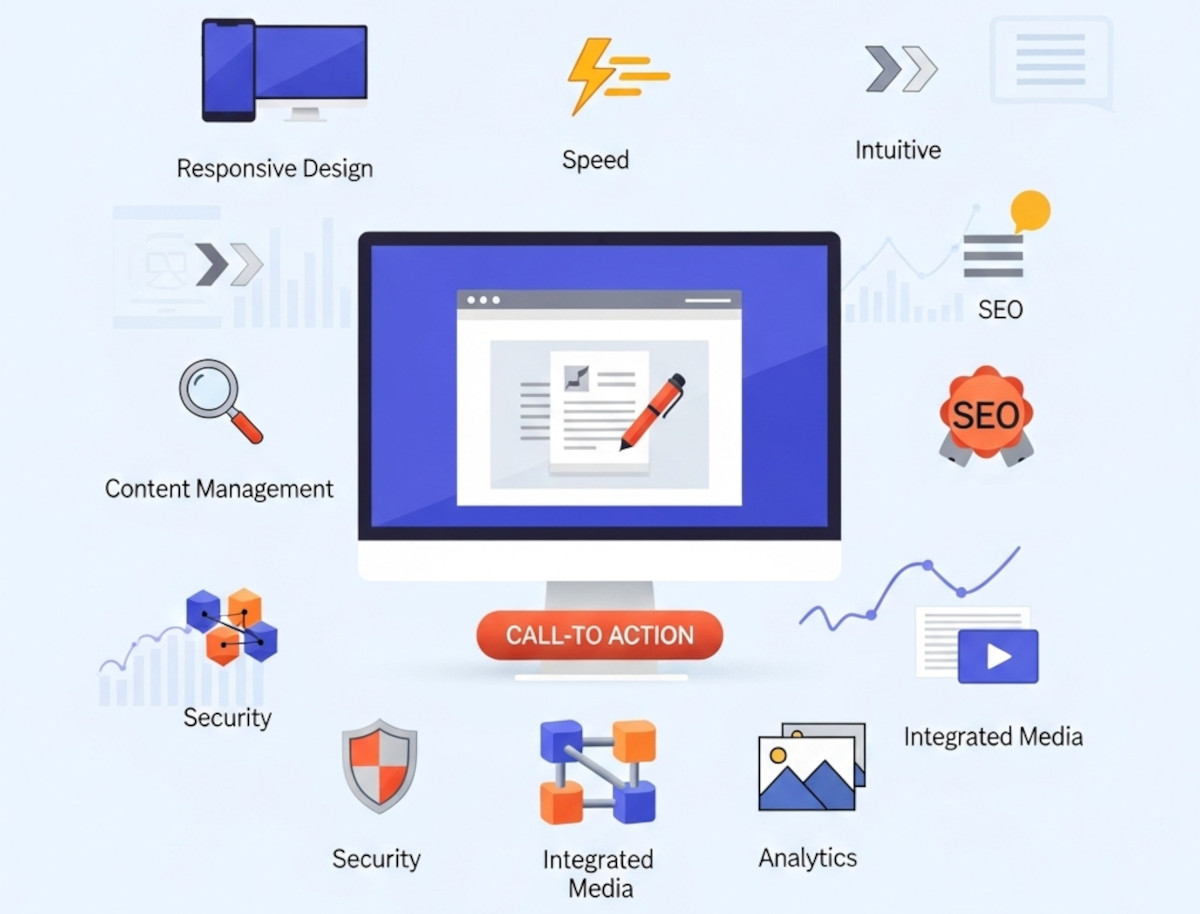
10 Essential Website Design Features Your Website Needs

Whether you're building your first website or looking to upgrade an existing one, understanding the key website design features can make or break your success online. A well-designed site isn't just about looking good - it should function seamlessly, load quickly, and help convert visitors into customers.
At UltimateWB, we know that having the right design features baked into your site is just as important as the content you publish. Here’s our ultimate list of website design features you
... Continue reading
Posted in Website Design
Tagged accessibility, alt text, bounce rate, bounce rates, build trust, built-in features, call-to-action, clean urls, clicks, cms, conversions, cta, easy navigation, easy updates, fast loading times, fast website, flexibility, Google Search Console, https, meta tags, mobile-friendly, responsive, responsive app, responsive design, scalability, search engine optimization, security, seo, sitemap, sitemap generator, spam controls, template lock, user experience, webp, webp converter, website design features, Wix, xml
Leave a comment
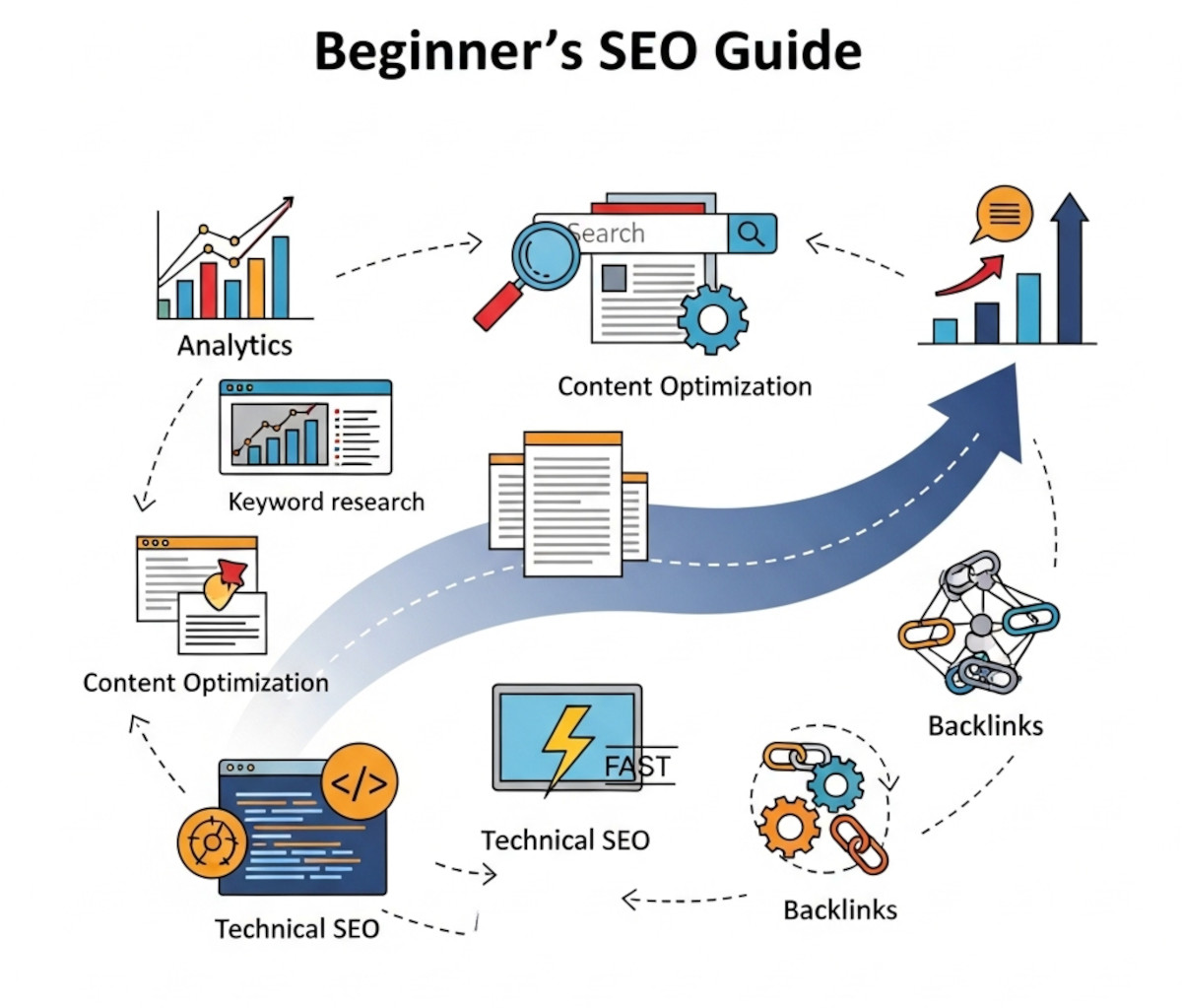
Beginner’s SEO Guide: Step-by-Step Process to Promote Your Business Online

Step 1: Set Up Website Analytics and Tracking
- Why? To understand who visits your site, where they come from, and how they interact with your pages.
- How?
- Create a Google Analytics account and install the tracking code on your website.
- Set up Google Search Console to monitor your website’s presence in Google search results and detect any issues.
Follow these Guides:
... Continue reading
Posted in Search Engine Optimization (SEO)
Tagged ahrefs, alt tag, alt text, authority, backlinks, bloat, bounce rate, broken links, clean code, compress images, conversions, drive traffic, fast load times, fast website, fresh content, google analytics, Google Business Profile, google keyword planner, Google Search Console, headers, headings, https, keyword research, keyword stuffing, lazy-load images, long-tail keywords, meta description, mobile-friendly, plugins, ranking factor, redirect, redirect url, responsive, responsive app, search engine optimization, search engine ranking, secure, seo, short-tail keywords, sitemap generator, sitempa, target audience, target keywords, technical seo, title, tracking, trust, trustworthy, ubersuggest, user experience, webp converter, website analytics, website visitors, xml
Leave a comment