







-
Recent Posts
- “My Partner Wants to Use WordPress Because 50% of the Web Uses It. Help!”
- Does EmDash Solve WordPress’s Problems, or Do You Need UltimateWB?
- How Not to Use AI: Stanford University Can Tell You
- Best Website Builder for SEO: WordPress vs. Wix vs. UltimateWB
- How to Make Sure Your Website Colors Have Enough Contrast for Accessibility
- Mobile-Friendly Website Checklist: 20 Things to Check
- Beehiiv Website Builder Review: The Problem Isn’t the Design – It’s the Lack of Control
- Elementor’s “Angie” AI Is More Than Bloat: Credits, Subscriptions, and a Growing Platform Problem
- How to Pass Google Business Profile Video Verification for Service Businesses
- The Great Deskilling: Why AI Dependence is Turning Developers into Prompt Babysitters
- The Three-Month Fuse: The Everest Forms Pro Attack and Why a Patched Plugin Can Still Put Websites at Risk
- Computer Screen Has Black Bars on the Sides: How to Fix It
- Could AI Make Humans Extinct Within the Next Decade?
- Is Weebly Getting Out of the Website-Builder Business?
- Are You “Leaking SEO” by Linking to Other Websites?
- Wix Harmony Is Now in Google Gemini. So Why Are Users Still Complaining?
- When AI Sounds Confident but Gets It Wrong: The Mount Shasta Rescue
- When AI Agents Start Working Together, Who Is Really in Control?
Categories
Tag Archives: target audience
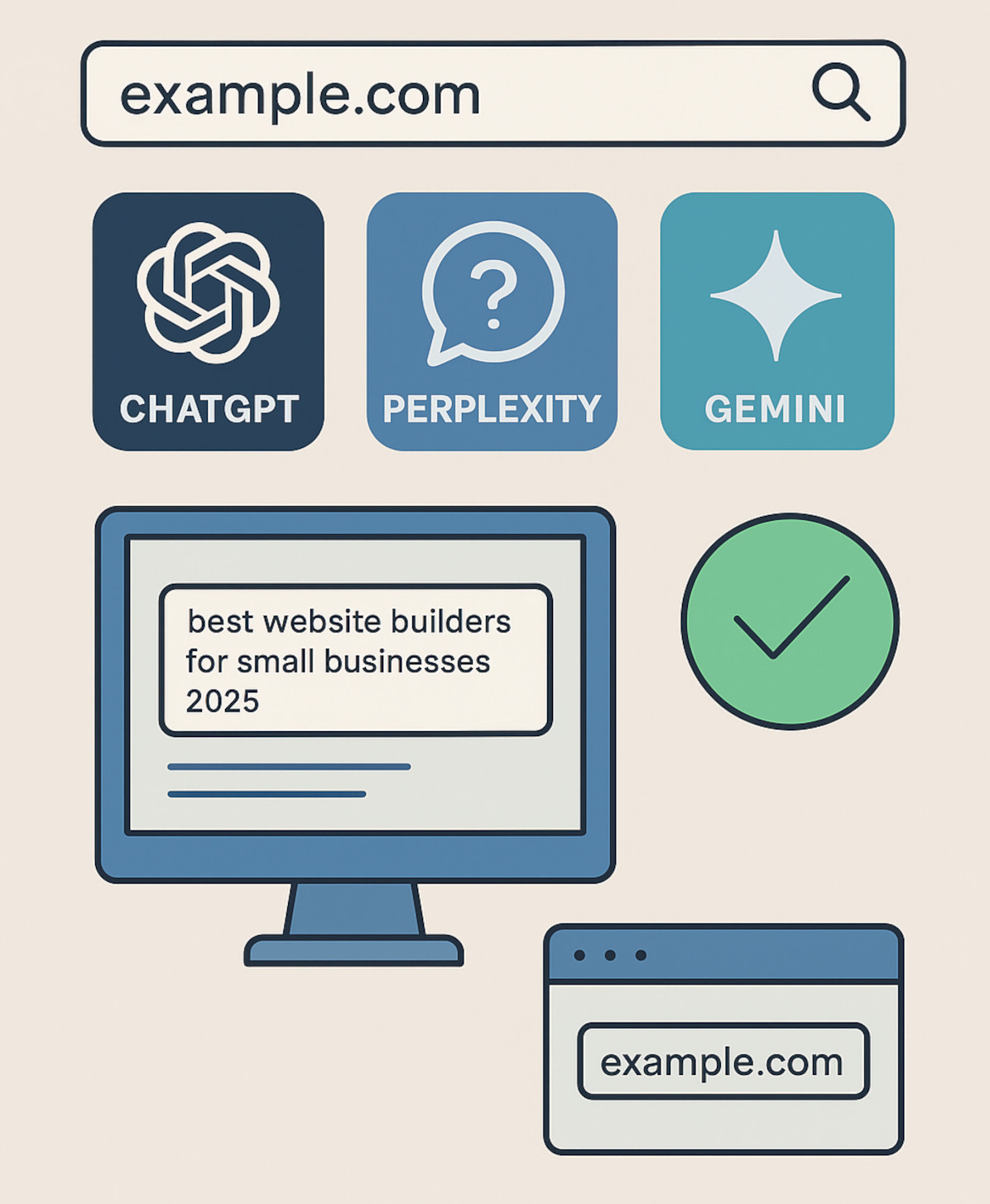
How to Check if Your Website is Showing Up in ChatGPT, Perplexity, Gemini, or Other AI Answers

AI tools like ChatGPT, Perplexity, and Google Gemini are quickly becoming the go-to search method for many users. Instead of typing queries into Google, people are getting instant answers directly from AI - sometimes with source links, sometimes without.
If you run a website, the question is simple:
Is your content showing up in those AI answers?
Here’s how you can find out.
1. Manual Testing (The Direct Way)
The most straightforward way to check is to ask
... Continue reading
Posted in AI, Search Engine Optimization (SEO), Website Security
Tagged ahrefs, ai, ai answers, aio, analytics, ao optimization, authority, brand visibility, branding, chatgpt, evergreen, ga4, gemini, google analytics, llm, matomo, niche, perplexity, referral traffic, search engine optimization, semrush, seo, similarweb, target audience
Leave a comment
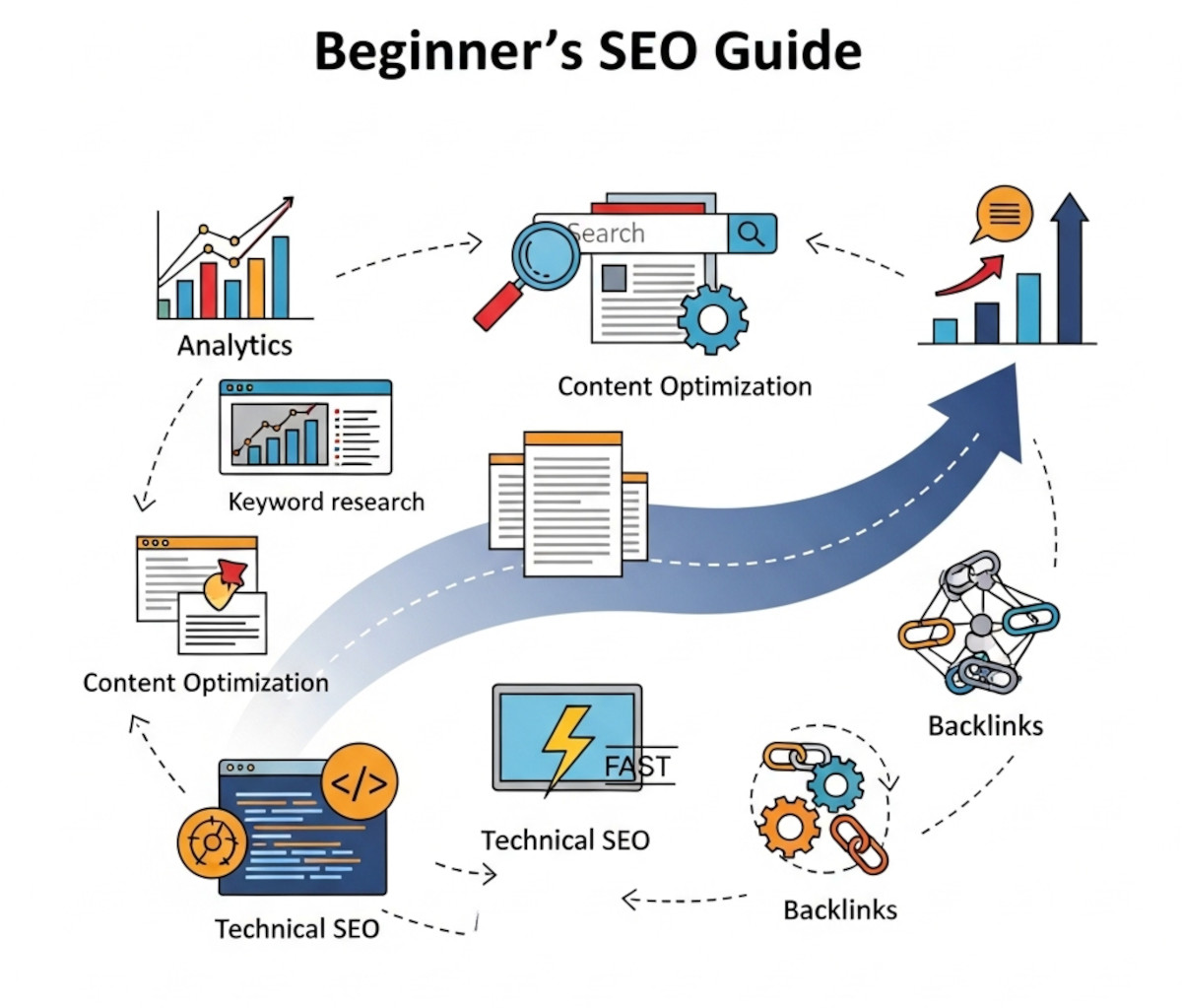
Beginner’s SEO Guide: Step-by-Step Process to Promote Your Business Online

Step 1: Set Up Website Analytics and Tracking
- Why? To understand who visits your site, where they come from, and how they interact with your pages.
- How?
- Create a Google Analytics account and install the tracking code on your website.
- Set up Google Search Console to monitor your website’s presence in Google search results and detect any issues.
Follow these Guides:
... Continue reading
Posted in Search Engine Optimization (SEO)
Tagged ahrefs, alt tag, alt text, authority, backlinks, bloat, bounce rate, broken links, clean code, compress images, conversions, drive traffic, fast load times, fast website, fresh content, google analytics, Google Business Profile, google keyword planner, Google Search Console, headers, headings, https, keyword research, keyword stuffing, lazy-load images, long-tail keywords, meta description, mobile-friendly, plugins, ranking factor, redirect, redirect url, responsive, responsive app, search engine optimization, search engine ranking, secure, seo, short-tail keywords, sitemap generator, sitempa, target audience, target keywords, technical seo, title, tracking, trust, trustworthy, ubersuggest, user experience, webp converter, website analytics, website visitors, xml
Leave a comment
Why Product Hunt Might Be Overrated (and What to Focus on Instead)

When you're building a product and planning your launch, Product Hunt probably comes up as a must-do. It’s free. It has a built-in audience. You’ve seen “Product of the Day” badges on other startups. Seems like a no-brainer, right?
But here’s the reality: for most founders, Product Hunt doesn’t actually move the needle in a meaningful way.
Let’s break it down.
What Product Hunt Does Well
Let’s be fair - Product Hunt isn’t useless. If your product resonates with
... Continue reading
Posted in Business, Marketing
Tagged buy votes, conversions, credibility, customer retention, discord, early traction, founder tips, growth hacking, hype, launch strategy, mailing list, mailing list app, marketing strategy, MVP launch, niche forums, organic search, pay to play, Product Hunt, Product Hunt alternatives, Product Hunt launch, Product Hunt pros and cons, Product Hunt review, Product Hunt strategy, product launch tips, product of the day, proof of launch, reddit, slack groups, social credibility, startup exposure, startup growth, startup marketing, target audience, target market, traction, traffic spike, user feedback, vanity awards, vanity metrics, visbility
Leave a comment
Why Giving Google Ads Too Much Freedom Can Burn Your Budget Fast
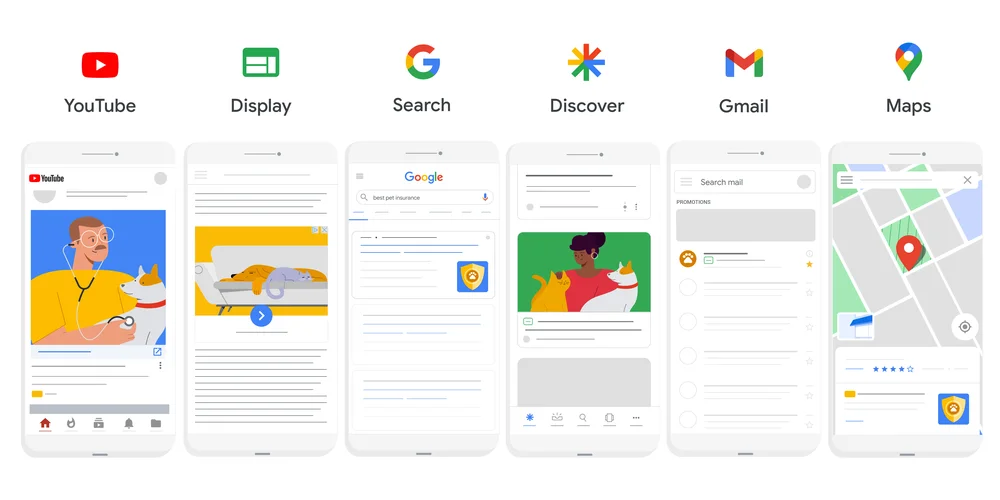
Google Ads Performance Max (PMax) campaigns promise a lot - automation, broad reach, and the magic of machine learning taking care of audience targeting and placements. The idea sounds great: just set it and forget it, let the system do its thing, and watch the conversions roll in. But what happens when you hand over full control with little to no guidance?
... Continue reading
Posted in Marketing
Tagged ad placements, ads algorithm, ads campaign strategy, ads exclusions, ads restrictions, audience signals, audience targeting, automated Google Ads, automation, boost performance, broad reach, conversions, creative assets, google ads, Google Ads budget waste, Google Ads conversions, google ads performance max, google ads tips, high-intent search terms, keywords, learning period, machine learning, optimize Performance Max, Performance Max audience signals, Performance Max best practices, Performance Max campaigns, PMax, PPC campaign mistakes, target audience, well-structured asset groups
Leave a comment
How to Write a Great Blog Post That Ranks on Google?

Introduction: What Makes a Blog Post Great?
Writing a great blog post involves more than just good writing - it’s about creating valuable, well-structured, and SEO-friendly content that solves your readers’ problems. Whether you're blogging for business, content marketing, or personal branding, these tips will help you write blog posts that rank on Google and engage your audience.
1. Identify Your Target Audience
Understanding your audience is key to writing successful blog posts. Ask yourself:
- Who are you writing for?
Posted in Ask David!, Search Engine Optimization (SEO), Web Content
Tagged build traffic, call to action, click-through rates, click-worthy title, credibility, external links, fast loading times, featured snippet, google keyword planner, google search engine ranking, grammarly, headings, hemingway, internal links, keywords, mobile-friendly, rank on google, readability, responsive, responsive app, search engine optimization, search engine ranking, seo, seo topis, seo-friendly, target audience, target keywords, technical seo, ubersugest, user experience
Leave a comment
How Much Content Does Google Need to Trust Your Site?

If you're building a website or growing a blog, one big question probably keeps coming up: How much content do I need before Google starts trusting my site?
You’re not alone. Many site owners wonder if there's a magic number of blog posts or pages that unlocks search engine visibility. The truth is - Google doesn't rank websites based solely on how many posts you have. But content volume does play an important role when it comes to building trust
... Continue reading
Posted in Ask David!, Search Engine Optimization (SEO), Web Content
Tagged authority, backlinks, engagement, expert, fast loading times, fresh content, google algorithm, google ranking, headings, helpful content, high-quality content, internal linking, internal links, keyword optimization, meta tags, mobile-friendly, organic traffic, relevant keywords, responsive, search engine optimization, search engine ranking, seo, target audience, target keywords, topical authority, trust, update content, user engagement, visibility
Leave a comment
How to Promote Your New Website in 2026: A Practical Guide to Getting Your First Real Visitors

Launching a new website is exciting - but publishing it is only the beginning.
One of the biggest misconceptions many new website owners have is believing that traffic automatically appears after launch. In reality, even great websites often receive little to no traffic at first unless they are actively promoted.
This is where many people quit too early.
Search engines take time to trust new domains. Social platforms limit visibility. Communities ignore obvious self-promotion. And publishing random content without a
... Continue reading
Posted in Ask David!, Marketing, Social Media
Tagged authentic engagement, authentic interaction, authenticity, authority, bloat, brand loyalty, build traffic, build trust, clean urls, content creation, content marketing, customer loyalty, customizable urls, discord, discussion boards, easy navigation, engagement, engaging media, facebook group, fast loading times, fast website, fast-loading times, forums, heading tags, high-quality content, instagram, interactive features, internal links, keyword-rich, keywords, leaderboard, leaderboards, linkedin, long-term strategy, marketing, meta descriptions, mobile-friendly, online communities, organic reach, organic traffic, page titles, polls, promote website, reddit, responsive, responsive app, search engine clicks, search engine optimization, search intent, seo, seo basics, seo tips, share insights, short videos, slow load times, social media, social share, surveys, target audience, targeted outreach, tiktok, trust, twitter, user experience, user feedback, visibility, word-of-mouth promotion, x
Leave a comment
Can a Website Have Multiple Landing Pages?

Yes, a website can have multiple landing pages, and in many cases, it should. Landing pages play a crucial role in digital marketing, lead generation, and user engagement. Unlike a homepage, which serves as a general gateway to a website, landing pages are designed with a specific purpose, such as capturing leads, promoting products, or driving conversions.
Why Use Multiple Landing Pages?
- Target Different Audiences
Businesses often have multiple customer segments with distinct needs. Multiple landing pages
Posted in Ask David!, Marketing, Website Design
Tagged analytic tools, bloat, boost conversions, bounce rates, calls to action, conversions, cta, digital marketing, email marketing, fast loading times, keywords, landing page, lead generation, mobile-friendly, multiple landing pages, organic traffic, pay-per-click, PPC, responsive, responsive app, search engine optimization, seo, social media, target audience, target keywords, user engagement
Leave a comment
When does it make sense to build a website versus an app ?

Choosing between building a website and an app depends heavily on your target audience, desired user experience, and business goals. Websites offer broader reach and easier discovery, while apps excel at providing enhanced user experiences, offline functionality, and high user engagement.
Build a Website When:
- Broader Reach: You want to reach the widest possible audience, including those on desktops, laptops, tablets, and smartphones.
- Easier Discovery: You rely heavily on search engine optimization (SEO) to drive traffic.
- Lower Barrier to Entry:
Posted in Ask David!, Website Design
Tagged app development, budget, business goals, competition, database, mobile app, offline functionality, progressive web app, push notifications, pwa, resources, search engine optimization, seo, showcase, target audience, ui, user experience, user interface, ux, web app, website development, website vs app
Leave a comment
How to Optimize Your Website for Both Search Engines and Users
Creating content that appeals to both search engines and users is crucial for any website aiming to boost visibility and engagement. A well-optimized webpage ensures that search engines understand its relevance and quality, while also providing users with valuable, engaging, and accessible information. Here are some key strategies to achieve this balance:
1. Conduct Keyword Research
Before you even start writing your content, it’s essential to understand what your target audience is searching for. Keyword research helps identify the
... Continue reading