




-
Recent Posts
- “My Partner Wants to Use WordPress Because 50% of the Web Uses It. Help!”
- Does EmDash Solve WordPress’s Problems, or Do You Need UltimateWB?
- How Not to Use AI: Stanford University Can Tell You
- Best Website Builder for SEO: WordPress vs. Wix vs. UltimateWB
- How to Make Sure Your Website Colors Have Enough Contrast for Accessibility
- Mobile-Friendly Website Checklist: 20 Things to Check
- Beehiiv Website Builder Review: The Problem Isn’t the Design – It’s the Lack of Control
- Elementor’s “Angie” AI Is More Than Bloat: Credits, Subscriptions, and a Growing Platform Problem
- How to Pass Google Business Profile Video Verification for Service Businesses
- The Great Deskilling: Why AI Dependence is Turning Developers into Prompt Babysitters
- The Three-Month Fuse: The Everest Forms Pro Attack and Why a Patched Plugin Can Still Put Websites at Risk
- Computer Screen Has Black Bars on the Sides: How to Fix It
- Could AI Make Humans Extinct Within the Next Decade?
- Is Weebly Getting Out of the Website-Builder Business?
- Are You “Leaking SEO” by Linking to Other Websites?
- Wix Harmony Is Now in Google Gemini. So Why Are Users Still Complaining?
- When AI Sounds Confident but Gets It Wrong: The Mount Shasta Rescue
- When AI Agents Start Working Together, Who Is Really in Control?
Categories
Tag Archives: headers
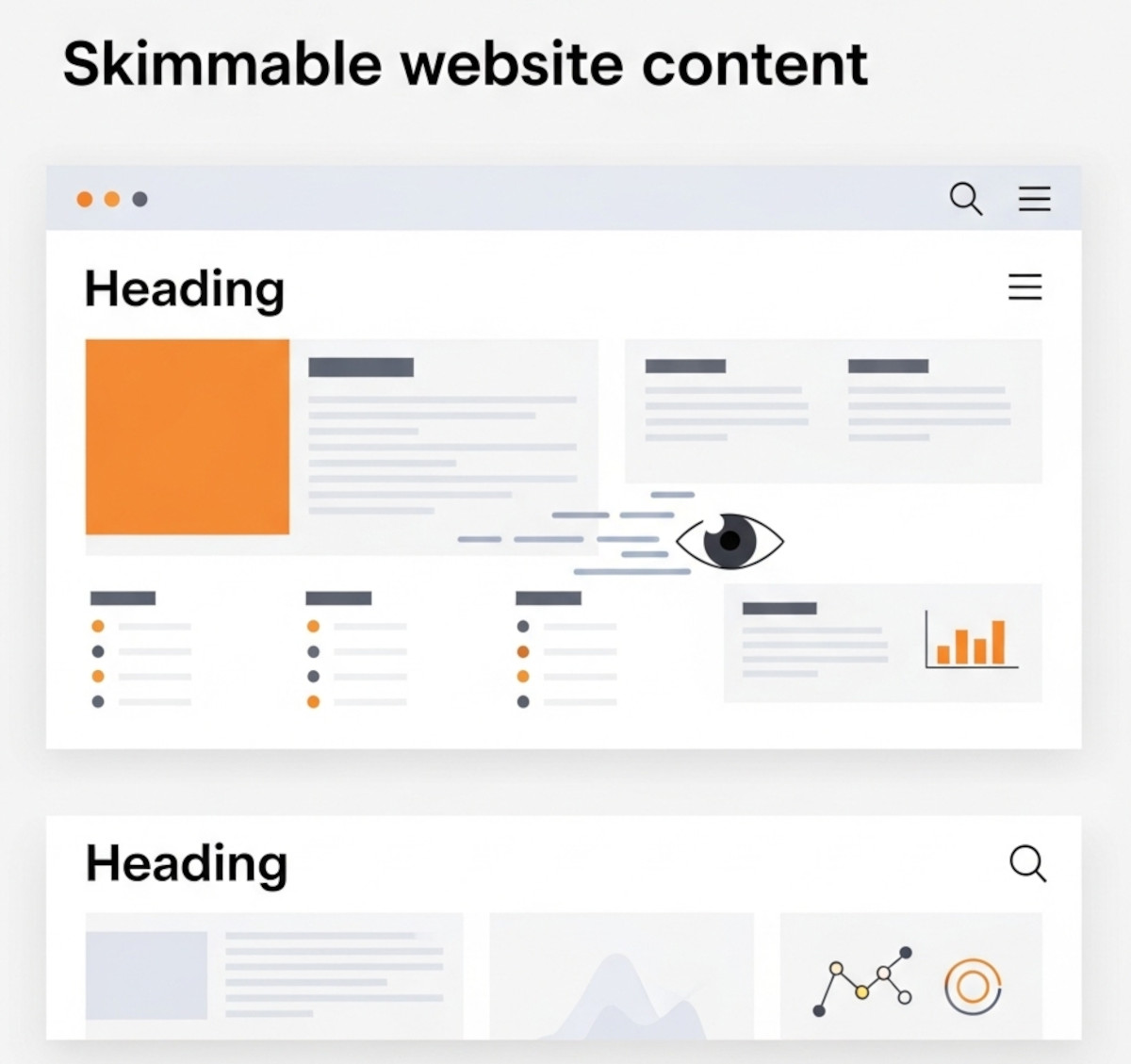
Make Your Website Content Skimmable: Boost Engagement and User Experience

Users rarely read every word on a webpage. Instead, they scan and skim content to quickly find the information they need. If your website content isn’t easy to skim, visitors might get frustrated and leave - fast.
That’s why skimmable formatting is one of the most powerful tools for website owners, designers, and content creators. It improves readability, user experience, and even SEO. At UltimateWB, we believe your website deserves to be easy to read and engaging
... Continue reading
Posted in Search Engine Optimization (SEO), Web Content
Tagged accessibility, bold, boost seo, bounce rates, bullet points, calls to action, cta, engagement, headers, headings, icons, images, infographics, italic, keywords, mobile readability, numbered lists, readability, screen readers, search engine optimization, seo, skimmable content, skimmable formatting, user experience, visual breaks, white space
Leave a comment
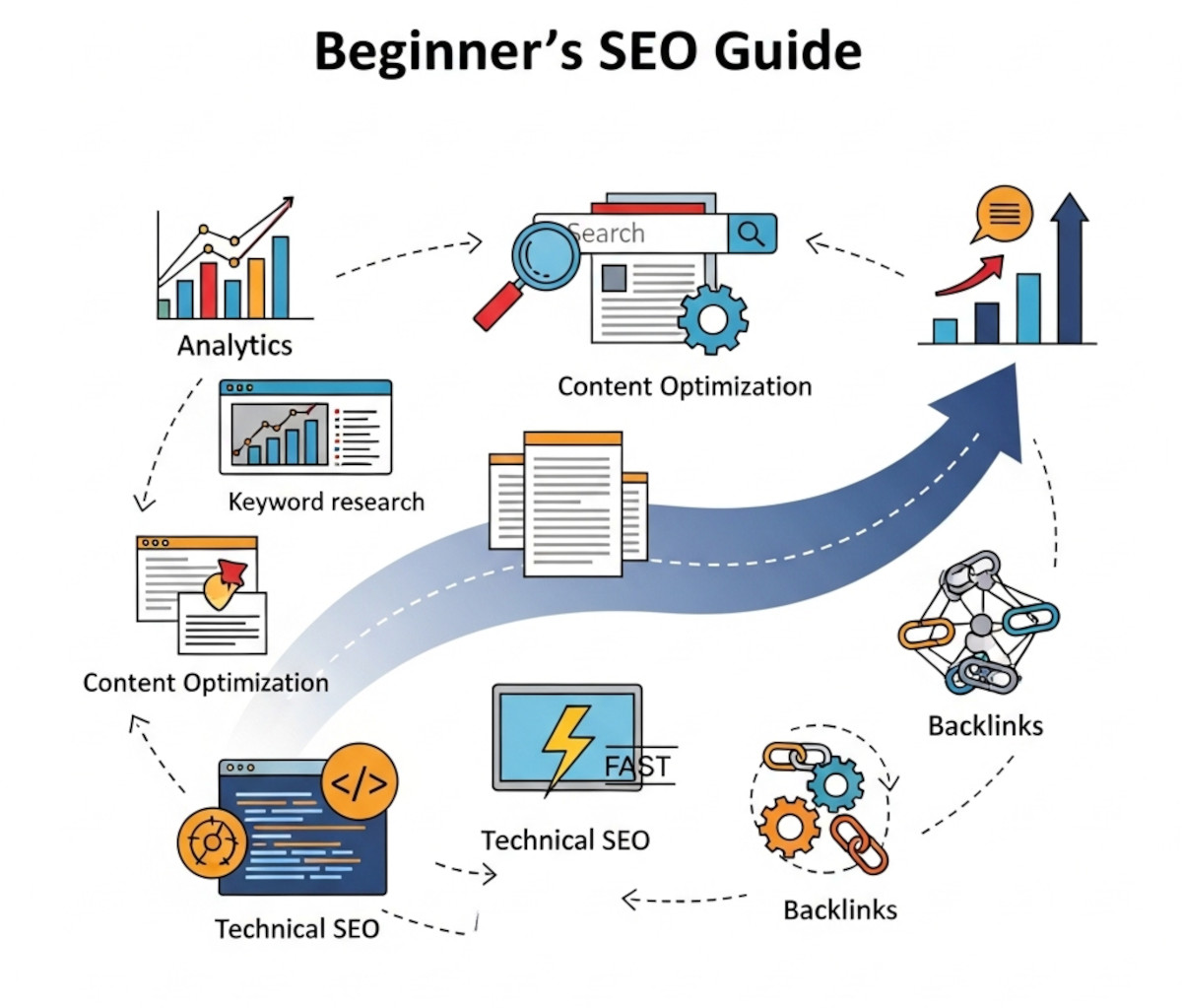
Beginner’s SEO Guide: Step-by-Step Process to Promote Your Business Online

Step 1: Set Up Website Analytics and Tracking
- Why? To understand who visits your site, where they come from, and how they interact with your pages.
- How?
- Create a Google Analytics account and install the tracking code on your website.
- Set up Google Search Console to monitor your website’s presence in Google search results and detect any issues.
Follow these Guides:
... Continue reading
Posted in Search Engine Optimization (SEO)
Tagged ahrefs, alt tag, alt text, authority, backlinks, bloat, bounce rate, broken links, clean code, compress images, conversions, drive traffic, fast load times, fast website, fresh content, google analytics, Google Business Profile, google keyword planner, Google Search Console, headers, headings, https, keyword research, keyword stuffing, lazy-load images, long-tail keywords, meta description, mobile-friendly, plugins, ranking factor, redirect, redirect url, responsive, responsive app, search engine optimization, search engine ranking, secure, seo, short-tail keywords, sitemap generator, sitempa, target audience, target keywords, technical seo, title, tracking, trust, trustworthy, ubersuggest, user experience, webp converter, website analytics, website visitors, xml
Leave a comment
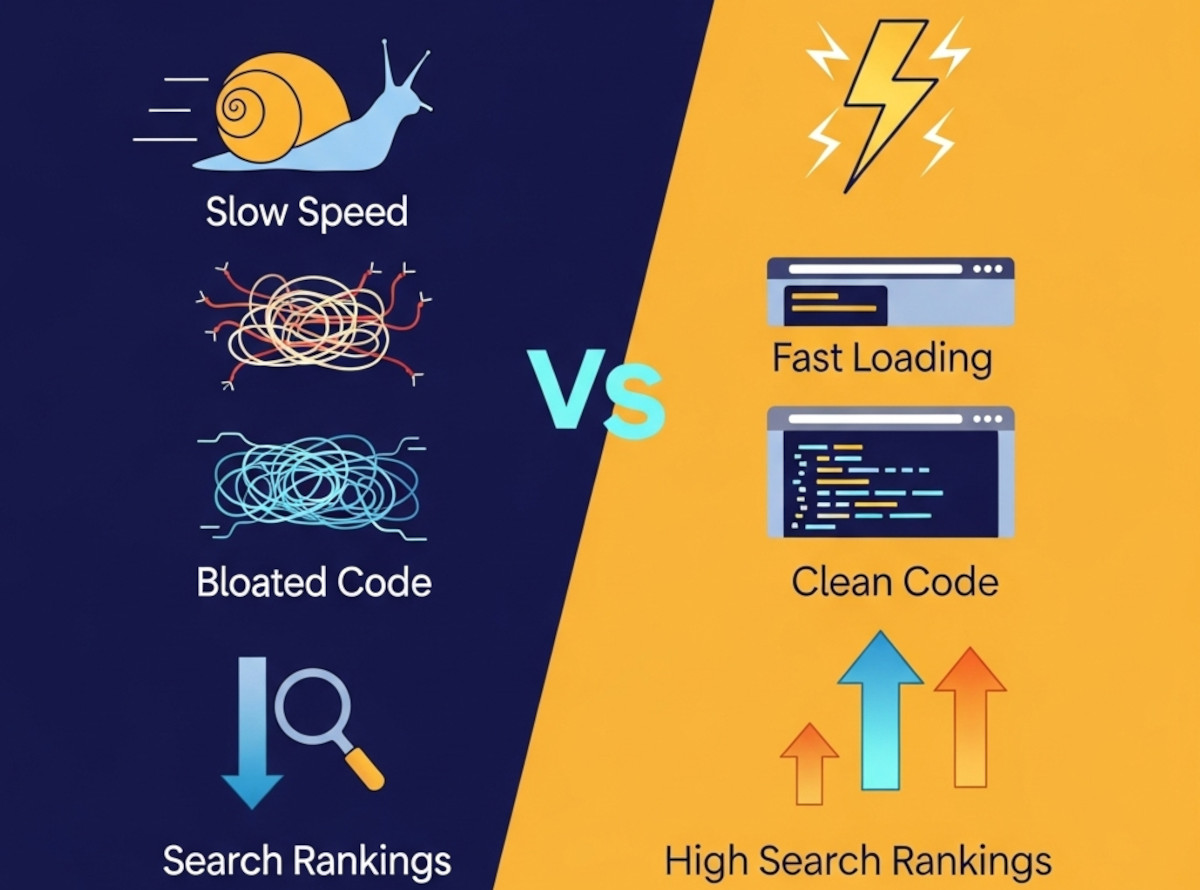
Do Website Builders Hurt SEO?

If you’ve been researching how to improve your website’s SEO, you’ve probably heard the rumor:
“Website builders are bad for SEO.”
But is it true?
The short answer: It depends on the builder.
Let’s break down the facts, so you know what to look for - and what to avoid - when choosing a website builder that won’t hold back your rankings.
Not All Website Builders Are Created Equal
Many drag-and-drop platforms on the market today - like Wix
... Continue reading
Posted in Compare Website Builders, Search Engine Optimization (SEO)
Tagged bloat, clean code, clean urls, compare website builders, fast load times, google ranking, headers, messy code, meta tags, mobile-friendly, plugins, responsive, responsive app, schema, search engine optimization, search engine ranking, seo, seo tools, seo-friendly, sitemap, sitemap generator, structure, user experience, webp converter, WebP images, website builders, website speed
Leave a comment
Why Is Google Showing a Competitor’s Website for My Brand Name?

And How to Fix It with SEO & Branding Strategies
When users search for your company name, the last thing you want is for a competitor’s site to show up instead. But that’s exactly what can happen if your brand is new, lesser known, or has a name that’s similar to a larger competitor. A good reason not to choose a similar name even if the trademark rules don't prevent you.
Google’s algorithm often tries to “help” users by showing
... Continue reading
Posted in Search Engine Optimization (SEO)
Tagged backlinks, bounce rate, brand identity, brand signals, branding, breadcrumblist schema, build backlinks, community forums, email newsletters, engagement, forums, google, google ads, google ranking, google search, headers, headings, high-quality content, keyword stuffing, meta description, organic seo, organic traffic, organization schema, page title, ranking signal, schema, schema markup, search engine optimization, search engine ranking, search engine results, seo, seo strategies, seo tipes, social media, socialprofile schema, spammy, structured data, subheadings, trust, typo, user behavior, visibility, website schema
Leave a comment
When Should I Start SEO For My New Website?

If you’re launching a new website, chances are you’ve already heard about SEO - Search Engine Optimization. You know it’s important. You know it helps people find you on Google. But when exactly should you start doing SEO?
Short answer: Yesterday...or weeks ago...
Long answer: The moment you start planning your website - not after it’s built.
Let’s dig into why starting SEO early matters, and how to do it right from day one.
Why Early SEO Matters
... Continue reading
Posted in Ask David!, Search Engine Optimization (SEO)
Tagged ahrefs, backlinks, beginner SEO guide, boost conversions, boost traffic, clean url, crawl, early SEO tips, easy navigation, fast-loading times, fresh content, generate leads, google analytics, Google Business Profile, google keyword planner, Google Search Console, google search engine ranking, headers, headings, high-quality content, index, keyword research, keywords, local seo, meta description, mobile-friendly, search engine optimization, seo, SEO checklist, SEO for new website, SEO website launch, site structure, sitemap, sitemap generator, target keywords, title tag, trust, ubersuggest, visibility, webp, webp converter, website SEO strategy, website speed, when to start SEO
Leave a comment
Can you still get ranked just as well with a one-page website than with a multi-page website? i.e. with the proper use of h1 headers, etc.?

Yes, you can absolutely achieve good SEO rankings with a well-optimized one-page website. While multi-page websites offer certain advantages, such as targeting a wider range of keywords and providing a more structured user experience, a single-page website can be equally effective if done right.
In fact, in some cases, a one-page website can even have an advantage over a multi-page website. Here's 2 main reasons why:
1. User Experience: A one-page website can be more user-friendly, as visitors don't
... Continue reading
Posted in Ask David!, Search Engine Optimization (SEO)
Tagged backlinks, clean urls, clear content, concise, concise content, fast loading times, focus, header tags, headers, high-quality content, internal linking, keyword placement, keywords, meta description, mobile friendly, multi-page website, one-page website, optimized urls, organic traffic, page title, responsive, search engine optimization, search engine ranking, seo, user experience, user friendly
Leave a comment
10 Expert Tips for Writing SEO-Friendly Blog Content
Want your blog to rank higher and attract more readers? These 10 expert tips will help you write SEO-friendly content that gets noticed by both search engines and your audience.
1. Start with Keyword Research
Use tools like Google Keyword Planner, Ahrefs, or Ubersuggest to find keywords your target audience is searching for. Focus on a primary keyword and related secondary keywords to guide your content.
Related: Think Twice Before Using Ahrefs’ New Web Analytics: Are You Giving Away
... Continue reading