






-
Recent Posts
- Could AI Make Humans Extinct Within the Next Decade?
- Is Weebly Getting Out of the Website-Builder Business?
- Are You “Leaking SEO” by Linking to Other Websites?
- Wix Harmony Is Now in Google Gemini. So Why Are Users Still Complaining?
- When AI Sounds Confident but Gets It Wrong: The Mount Shasta Rescue
- When AI Agents Start Working Together, Who Is Really in Control?
- WPForms and Rank Math: Did These WordPress Plugins Create a Backdoor With Admin Access?
- AI Can Text Your Friends for You. Wait, Who Am I Talking To?
- Bill Gates Is Betting on AI to Help Healthcare – While Warning About What AI Could Do to Jobs
- Wix Says AI Website Owners Should Care About Portability. There’s Just One Problem.
- WordPress 7.1 Broke WP Rocket: The Fatal Error and the Plugin Problem
- WordPress vs. UltimateWB for an Artist Website: Which Should You Choose?
- Thinking About Switching From WordPress? What Should You Consider Before You Move?
- The Airtable Acquisition Raises a Bigger Question: Do You Really Own the Software Your Business Runs On?
- How to Use Google Search Console’s New Generative AI Data to Improve Your SEO
- How to Update the Same Website Content on Multiple Pages at Once
- Discovered vs. Crawled Not Indexed in Google Search Console: What’s the Difference and How to Fix Each
- The Small Business Guide to Auditing Google Ads and Website Costs
Categories
Tag Archives: fast-loading times
How to Design a High-Converting Website Homepage: Step-by-Step Guide

Most website homepages don’t fail because of design quality - they fail because they don’t guide the visitor.
A homepage is not just an introduction. It is a decision-making layer. Its job is to help users quickly understand what the site offers and move them toward the right action.
If users land on your homepage and don’t immediately understand what you do, who it’s for, and what they should do next, conversions drop.
This guide breaks down how to design
... Continue reading
Posted in Ask David!, E-commerce, Search Engine Optimization (SEO), Website Design
Tagged bloat, call-to-action, clarity, clean code, clean structure, consistency, conversions, cta, design consistency, easy navigation, fast-loading times, first impressions, headlines, high-converting website, homepage, intent, responsive, responsive app, web design
Leave a comment
When Your CMS is the Bottleneck: A Performance Reality Check

It’s a common misconception that a slow website is just a "mobile problem." We recently audited a WordPress-based lifestyle blog where the performance was sluggish across the board - hitting the 70s on desktop and dropping to the 30s on mobile.
When a site fails to perform on a high-speed desktop connection, you aren't just looking at a slow network or a weak processor. You are looking at a fundamental architectural problem.
The Problem: Bloat as a Feature
This
... Continue readingAre free website builders worth it for small businesses?

Or do free website builders hurt more than they help?
When you’re growing a small business, keeping expenses low feels like the only smart move. So it’s natural to try every free website builder you can find - Wix free plan, Weebly free plan, Webnode, Google Sites, you name it.
On the surface, they seem perfect:
✔ quick setup
✔ no upfront cost
✔ drag-and-drop builder
✔ decent starter templates
But here’s the real question every small business eventually
... Continue reading
Posted in Compare Website Builders
Tagged bounce rate, build trust, cookie-cutter, custom domain, drag-and-drop website builder, fast website, fast-loading times, free website builderes, generate leads, Google Sites, growth, meta tags, mobile-friendly, outdated, red flag, reliability, responsive, scalability, seo, sitemap, slow website, trust, webnode, weebly, Wix
Leave a comment
How to Migrate from WordPress to a Faster, Easier Platform

If managing WordPress has started to feel like a full-time job that you never wanted - complete with endless updates, plugin conflicts, sudden security risks, and a steep learning curve - you are not alone. While WordPress powers millions of sites, many business owners realize it is neither the fastest nor the easiest platform to maintain over the long term.
Migrating from WordPress to a streamlined, high-performance platform is easier than you might expect. This guide will walk you through
... Continue reading
Posted in Compare Website Builders
Tagged clean code, fast website, fast-loading times, pljugins, plugin conflicts, security issues, themes, user-friendly, web hosting, web hosting choice, webp converter, WebP images, website maintenance, website speed, WordPress, wordpress alternative
Leave a comment
Does Faster Website Speed Increase Googlebot Crawl Frequency?

Boosting your website’s speed can significantly enhance how often and how efficiently Google crawls your site. This ties directly into what Google refers to as your “crawl budget.”
What Is Crawl Budget?
Crawl budget is the number of pages Googlebot is willing and able to crawl on your site within a certain period. It’s determined by two key factors:
- Crawl Rate Limit: The maximum number of requests per second Googlebot will make without overwhelming your server.
- Crawl Demand:
Posted in Ask David!, Search Engine Optimization (SEO)
Tagged caching, clean code, crawl budget, crawl frequency, crawl rate limit, fast hosting, fast-loading times, faster indexing, fresh content, Googlebot, indexing, ranking factor, reliability, responsive, seo, server reliability, site optimization, site speed, ssd, technical seo, user experience, website performance, website speed
Leave a comment
When Should I Start SEO For My New Website?

If you’re launching a new website, chances are you’ve already heard about SEO - Search Engine Optimization. You know it’s important. You know it helps people find you on Google. But when exactly should you start doing SEO?
Short answer: Yesterday...or weeks ago...
Long answer: The moment you start planning your website - not after it’s built.
Let’s dig into why starting SEO early matters, and how to do it right from day one.
Why Early SEO Matters
... Continue reading
Posted in Ask David!, Search Engine Optimization (SEO)
Tagged ahrefs, backlinks, beginner SEO guide, boost conversions, boost traffic, clean url, crawl, early SEO tips, easy navigation, fast-loading times, fresh content, generate leads, google analytics, Google Business Profile, google keyword planner, Google Search Console, google search engine ranking, headers, headings, high-quality content, index, keyword research, keywords, local seo, meta description, mobile-friendly, search engine optimization, seo, SEO checklist, SEO for new website, SEO website launch, site structure, sitemap, sitemap generator, target keywords, title tag, trust, ubersuggest, visibility, webp, webp converter, website SEO strategy, website speed, when to start SEO
Leave a comment
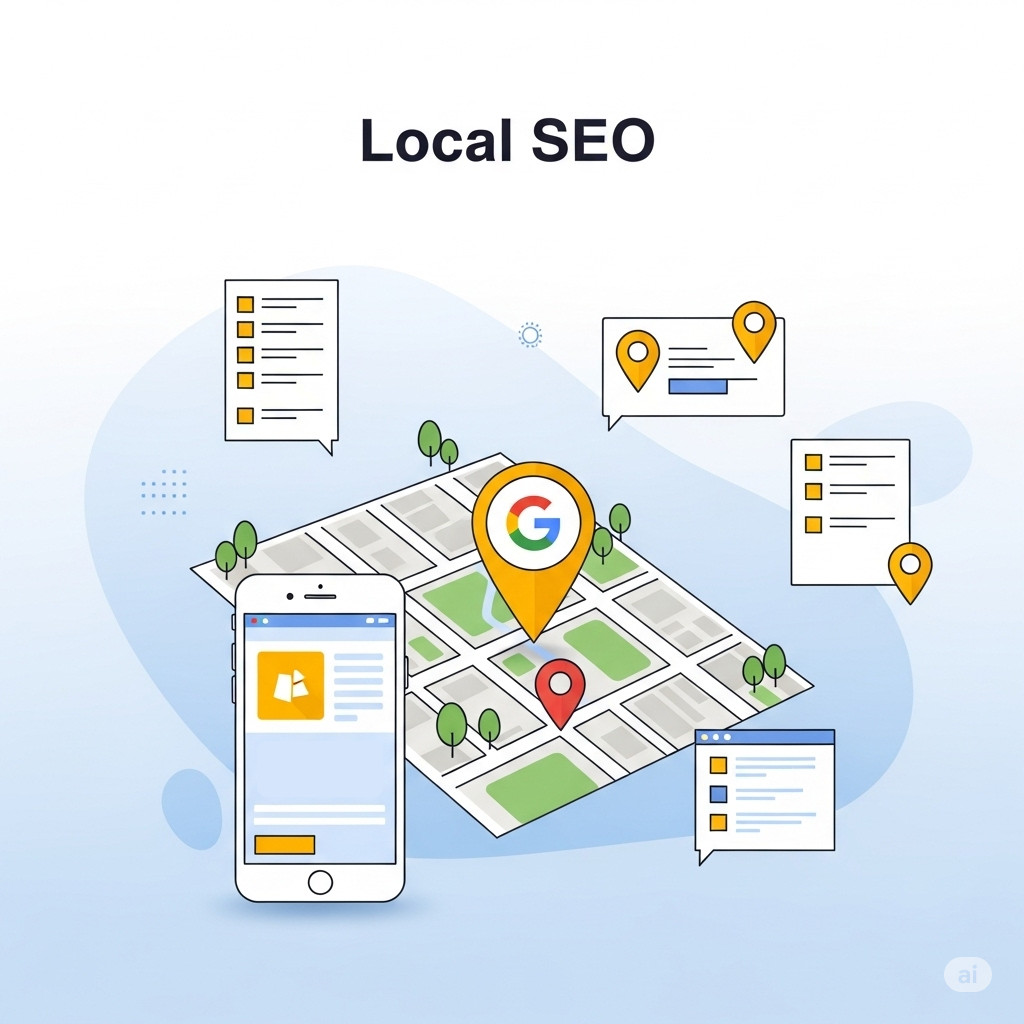
Local SEO Tips: How to Boost Your Business Visibility in Your Neighborhood

If you run a local business, ranking well in local search results can be a game-changer. Local SEO (Search Engine Optimization) helps your business show up when people nearby search for the products or services you offer. Whether you own a cafe, a law firm, a salon, or a home service company, optimizing your local SEO can drive more foot traffic and qualified leads to your business.
Here are some proven Local SEO tips to help you get noticed by
... Continue reading
Posted in Business, Marketing, Search Engine Optimization (SEO)
Tagged authority, backlinks, clean code, conversational keywords, fast-loading times, Google Business Profile, guest posts, heading, headings, keywords, local authority, local backlinks, local content marketing, local keywords, local marketing, local reviews, local search optimization, local seo, local SEO tips, meta description, mobile SEO, mobile-friendly, responsive, responsive app, schema.org, search engine optimization, seo, seo tips, structured data markup, target keywords, title tags, user experience, voice search
Leave a comment
Essential Web Development Tips for Beginners

Whether you're launching your first website or looking to sharpen your web development skills, it's an exciting time to build online. With tools like UltimateWB, beginners have more control and flexibility than ever - without needing to rely on dozens of third-party plugins or write complex code from scratch. Here are some essential web development tips to help you start strong this year:
1. Start with a Clear Purpose
Before diving into design or features, define what your website
... Continue reading
Posted in Website Design
Tagged accessibility, alt text, clean, colors, custom coding, easy navigation, fast-loading times, flexibility, heading tags, headings, high-contrast colors, input sanitization, keywords, lazy loading, meta description, meta tags, minification, optimize images, responsive, responsive app, search engine optimization, security, seo, SEO best practices, seo tips, third-party plugins, usability, user-friendly, webp, webp converter, website speed
Leave a comment
How to Promote Your New Website in 2026: A Practical Guide to Getting Your First Real Visitors

Launching a new website is exciting - but publishing it is only the beginning.
One of the biggest misconceptions many new website owners have is believing that traffic automatically appears after launch. In reality, even great websites often receive little to no traffic at first unless they are actively promoted.
This is where many people quit too early.
Search engines take time to trust new domains. Social platforms limit visibility. Communities ignore obvious self-promotion. And publishing random content without a
... Continue reading
Posted in Ask David!, Marketing, Social Media
Tagged authentic engagement, authentic interaction, authenticity, authority, bloat, brand loyalty, build traffic, build trust, clean urls, content creation, content marketing, customer loyalty, customizable urls, discord, discussion boards, easy navigation, engagement, engaging media, facebook group, fast loading times, fast website, fast-loading times, forums, heading tags, high-quality content, instagram, interactive features, internal links, keyword-rich, keywords, leaderboard, leaderboards, linkedin, long-term strategy, marketing, meta descriptions, mobile-friendly, online communities, organic reach, organic traffic, page titles, polls, promote website, reddit, responsive, responsive app, search engine clicks, search engine optimization, search intent, seo, seo basics, seo tips, share insights, short videos, slow load times, social media, social share, surveys, target audience, targeted outreach, tiktok, trust, twitter, user experience, user feedback, visibility, word-of-mouth promotion, x
Leave a comment
SEO Best Practices in 2026: What Has Changed and What Still Matters

Search Engine Optimization (SEO) has changed considerably over the years. Search engines have become much better at understanding language, context, and user intent, while AI is changing how people search and how search results are presented.
But that doesn't mean the fundamentals of SEO have disappeared.
A fast, accessible website with useful, original content, clear organization, and a good user experience is still a strong foundation for search visibility. What has changed is how you approach those fundamentals and how
... Continue reading
Posted in Search Engine Optimization (SEO)
Tagged accessibility, ai-driven algorithms, ai-driven seo, authority, average session duration, backlinks, bert, bounce rate, build trust, click-through rates, closed captions, context, core web vitals, ctr, domain authority, EAT, eat algorithm, engagement metrics, expertise, fast-loading times, google my business, google rankbrain, high-quality content, hyper-local targeting, hyper-localization, interactivity, loading speed, local businesses, local pack, local seo, long-tail keywords, mobile-first indexing, natural language process, nlp, page speed, page views per session, pagespeed insgihts, responsive, responsive app, rich media snippets, rich snippets, schema markup, search engine algorithm, search engine optimization, search engine ranking, search intent, seo, seo tips, serps, structured data, tiktok, trustworthiness, user engagement signals, user experience, user reviews, ux, video content, video search engine optimization, visibility, visual content, visual stability, voice queries, voice search, voice search results, vseo, youtube
Leave a comment