



-
Recent Posts
- “My Partner Wants to Use WordPress Because 50% of the Web Uses It. Help!”
- Does EmDash Solve WordPress’s Problems, or Do You Need UltimateWB?
- How Not to Use AI: Stanford University Can Tell You
- Best Website Builder for SEO: WordPress vs. Wix vs. UltimateWB
- How to Make Sure Your Website Colors Have Enough Contrast for Accessibility
- Mobile-Friendly Website Checklist: 20 Things to Check
- Beehiiv Website Builder Review: The Problem Isn’t the Design – It’s the Lack of Control
- Elementor’s “Angie” AI Is More Than Bloat: Credits, Subscriptions, and a Growing Platform Problem
- How to Pass Google Business Profile Video Verification for Service Businesses
- The Great Deskilling: Why AI Dependence is Turning Developers into Prompt Babysitters
- The Three-Month Fuse: The Everest Forms Pro Attack and Why a Patched Plugin Can Still Put Websites at Risk
- Computer Screen Has Black Bars on the Sides: How to Fix It
- Could AI Make Humans Extinct Within the Next Decade?
- Is Weebly Getting Out of the Website-Builder Business?
- Are You “Leaking SEO” by Linking to Other Websites?
- Wix Harmony Is Now in Google Gemini. So Why Are Users Still Complaining?
- When AI Sounds Confident but Gets It Wrong: The Mount Shasta Rescue
- When AI Agents Start Working Together, Who Is Really in Control?
Categories
Tag Archives: target market
Why Product Hunt Might Be Overrated (and What to Focus on Instead)

When you're building a product and planning your launch, Product Hunt probably comes up as a must-do. It’s free. It has a built-in audience. You’ve seen “Product of the Day” badges on other startups. Seems like a no-brainer, right?
But here’s the reality: for most founders, Product Hunt doesn’t actually move the needle in a meaningful way.
Let’s break it down.
What Product Hunt Does Well
Let’s be fair - Product Hunt isn’t useless. If your product resonates with
... Continue reading
Posted in Business, Marketing
Tagged buy votes, conversions, credibility, customer retention, discord, early traction, founder tips, growth hacking, hype, launch strategy, mailing list, mailing list app, marketing strategy, MVP launch, niche forums, organic search, pay to play, Product Hunt, Product Hunt alternatives, Product Hunt launch, Product Hunt pros and cons, Product Hunt review, Product Hunt strategy, product launch tips, product of the day, proof of launch, reddit, slack groups, social credibility, startup exposure, startup growth, startup marketing, target audience, target market, traction, traffic spike, user feedback, vanity awards, vanity metrics, visbility
Leave a comment
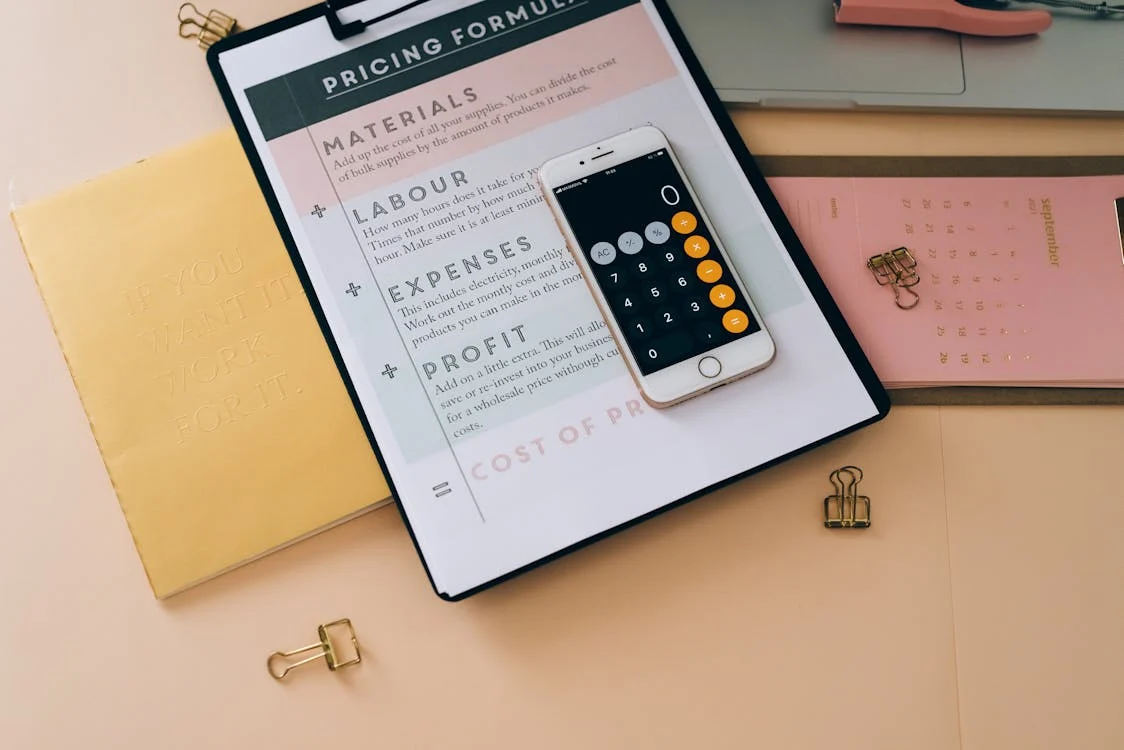
How to Craft an Effective Pricing Strategy

A well-executed pricing strategy is the cornerstone of any successful business. It directly impacts your revenue, profit margins, and overall brand perception. Here's a step-by-step guide to help you develop a pricing strategy that maximizes your business potential.
1. Understand Your Product or Service:
- Unique Selling Proposition (USP): Identify what sets your offering apart from competitors.
- Target Market: Determine who your ideal customers are and their willingness to pay.
- Cost Structure: Analyze your fixed and variable costs to understand your
Posted in Business
Tagged a/b testing, brand image, branding, break-even point, bundle pricing, competition-based pricing, competitive prices, competitor pricing, cost-based pricing, customer loyalty, dynamic-pricing, fixed costs, identify trends, large market share, long-term goals, market penetration, market skimming, odd-even pricing, optimize revenue, premium prices, prestige pricing, pricing, pricing objectives, pricing strategy, profit margins, profit maximization, psychological pricing, survival pricing, target market, tiered pricing, track sales, unique selling proposition, usp, value-based pricing, variable costs
Leave a comment
One-Time Payments vs. Subscriptions: A Business Plan Dilemma

When crafting a business plan, one of the crucial decisions is determining the pricing model for your product or service. This often boils down to choosing between one-time payments and subscriptions. Each approach offers distinct advantages and disadvantages, and the optimal choice depends on various factors, including your target market, product nature, and long-term business goals.
One-Time Payments - the choice of the people?!
- Pros:
- Immediate revenue: Customers pay upfront, providing a steady cash flow.
- Customer ownership: Buyers feel they