






-
Recent Posts
- Could AI Make Humans Extinct Within the Next Decade?
- Is Weebly Getting Out of the Website-Builder Business?
- Are You “Leaking SEO” by Linking to Other Websites?
- Wix Harmony Is Now in Google Gemini. So Why Are Users Still Complaining?
- When AI Sounds Confident but Gets It Wrong: The Mount Shasta Rescue
- When AI Agents Start Working Together, Who Is Really in Control?
- WPForms and Rank Math: Did These WordPress Plugins Create a Backdoor With Admin Access?
- AI Can Text Your Friends for You. Wait, Who Am I Talking To?
- Bill Gates Is Betting on AI to Help Healthcare – While Warning About What AI Could Do to Jobs
- Wix Says AI Website Owners Should Care About Portability. There’s Just One Problem.
- WordPress 7.1 Broke WP Rocket: The Fatal Error and the Plugin Problem
- WordPress vs. UltimateWB for an Artist Website: Which Should You Choose?
- Thinking About Switching From WordPress? What Should You Consider Before You Move?
- The Airtable Acquisition Raises a Bigger Question: Do You Really Own the Software Your Business Runs On?
- How to Use Google Search Console’s New Generative AI Data to Improve Your SEO
- How to Update the Same Website Content on Multiple Pages at Once
- Discovered vs. Crawled Not Indexed in Google Search Console: What’s the Difference and How to Fix Each
- The Small Business Guide to Auditing Google Ads and Website Costs
Categories
Tag Archives: fast-loading website
Google Algorithm Penalties Explained: What They Are, Why They Happen, and How to Recover

Google doesn’t like surprises. Website owners, on the other hand, often get one they didn’t ask for: a sudden drop in traffic, rankings vanishing overnight, and pages that once dominated search results quietly disappearing.
In most cases, that shock traces back to Google algorithm penalties.
If you’ve ever wondered what Google actually penalizes, how algorithmic penalties differ from manual actions, or whether recovery is even possible, this guide breaks it all down - clearly, accurately, and
... Continue reading
Posted in AI, Search Engine Optimization (SEO), Website Traffic
Tagged ai, AI content, AI-generated content, auto-generated content, backlink cleanup, backlink profile, backlinks, bounce rate, content depth, content quality, core web vitals, crawl, credibility, duplicate content, E-E-A-T, engagement, engagement signals, experience, expertise, fast-loading website, google algorithm, google algorithm penalties, Google algorithm update, google core updates, google panda, google penguin, Google rankings, Google Search Console, helpful content, high-quality content, keyword stuffing, layout shift, link spam, low-quality, mobile-friendly, page experience, search engine optimization, search engine ranking, search intent, search intent match, seo, seo guide, slow load times, slow website, spammy, thin content, thin pages, trust, user experience, ux signals, visibility, website optimization, website traffic
Leave a comment
Why Organic Traffic Is the Best Kind of Traffic (And How to Get More of It)

When it comes to website traffic, not all sources are created equal. Paid ads can offer quick wins, and social media can spark buzz - but organic traffic is the gold standard. It’s steady, scalable, and sustainable.
Here’s why organic traffic stands out and why it should be at the core of your digital strategy.
1. It’s Cost-Effective (Long-Term)
Yes, good SEO takes time and effort, whether you’re writing blog posts, optimizing pages, or building backlinks. But once your
... Continue reading
Posted in Search Engine Optimization (SEO), Website Traffic
Tagged authority, backlinks, bounce rate, brand authority, buy ads, content marketing, conversions, credibility, digital marketing strategy, domain authority, engagement, fast loading times, fast website, fast-loading website, high-quality content, inbound marketing, keyword research, long-term growth, mobile-friendly, organic traffic, paid ads, responsive app, return on investment, roi, search engine optimization, seo, social media, structure, targeted traffic, trust, user experience, user intent, website speed, website structure, website traffic sources
Leave a comment
Best Website Builder for Developers – PHP/MySQL Flexibility with UltimateWB

If you're a developer, you've probably been frustrated by the limitations of most no-code website builders. They’re great for beginners, but when it comes to custom functionality - like PHP scripting, MySQL integration, or direct database access - they hit a wall fast.
Whether you're building a website for a client or launching your own project, you shouldn’t have to choose between convenience and control.
... Continue reading
Posted in Compare Website Builders
Tagged analytics, bloat, clean code, clean urls, cms, coders, css, custom code, database, drag-and-drop alternative, drag-and-drop website builder, dreamweaver, dreamweaver alternative, dreamweaver vs ultimatewb, fast loading times, fast web hosting, fast-loading website, flexibility, friendly urls, html, meta description, meta title, mobile-friendly, mysql, performance, php, plugins, request features, responsive, responsive design, scalability, schema, search engine optimization, seo, squarespace, structured data, ui, user interface, user-friendly, web developer, web hosting, web hosting choice, webflow, webp, webp converter, website speed, weebly, Wix, WordPress
Leave a comment
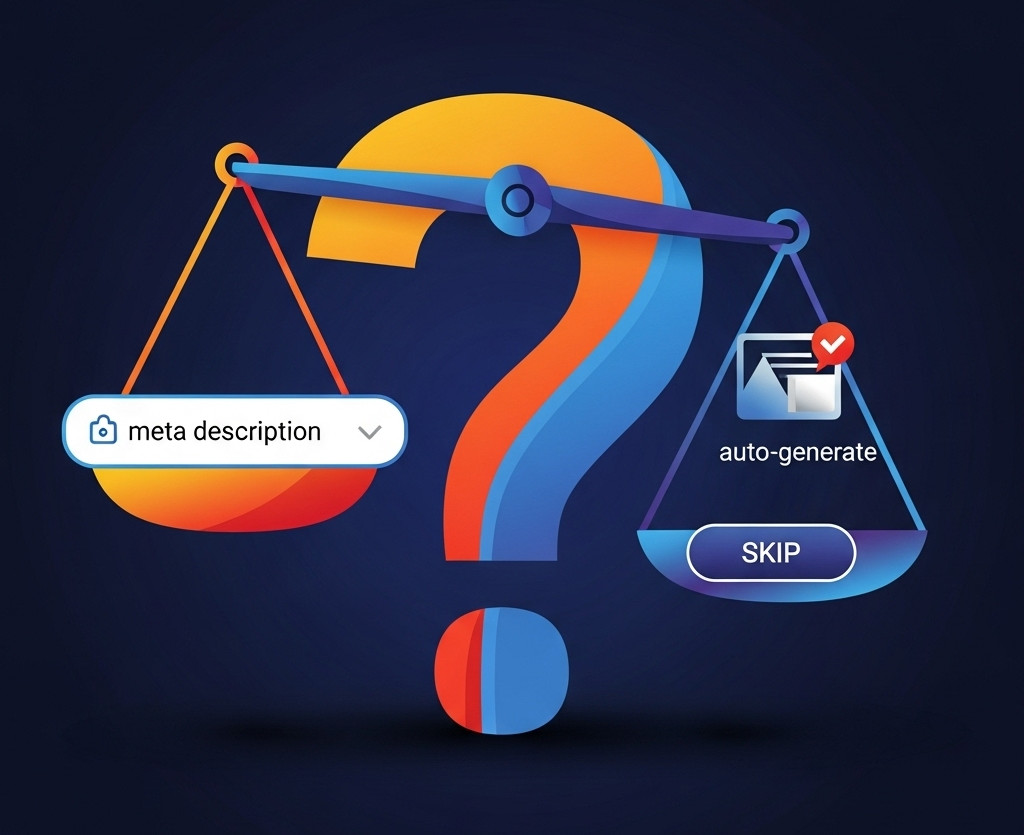
The SEO Debate: Should You Write or Skip Meta Descriptions?

SEO is always evolving. Just when you think you've nailed best practices, something new shakes things up. The latest conversation stirring the pot? Whether you should bother writing meta descriptions at all.
That’s right - those short bits of text that show up in search engine results under your page title. For years, they’ve been a staple of on-page SEO. But now, some experts are suggesting you might be better off skipping them entirely.
Let’s break it down.
Why Some
... Continue reading
Posted in Search Engine Optimization (SEO)
Tagged algorithm changes, boost traffic, clean code, fast load times, fast-loading website, high-quality content, Jono Alderson, Mark Williams-Cook, meta description, on-page seo, performance, search engine optimization, search engine results, seo, user experience, user-friendly
Leave a comment
How to Boost Your Organic Traffic with Google Discover: A Powerful Alternative to Search Rankings

Google Search Console (GSC) provides webmasters with valuable insights into how their websites perform in search results and beyond. One of the features within GSC is "Performance on Discover," which tracks how content appears and performs on Google Discover.
What Is Google Discover?
Google Discover is a personalized content feed primarily available on mobile devices through the Google app and Chrome browser, but it also optimizes content for larger screens. Unlike traditional search, where users enter queries, Google Discover proactively
... Continue reading
Posted in Ask David!, Search Engine Optimization (SEO)
Tagged authority, boost traffic, click-through rate, clicks, core web vitals, credibility, ctr, date range analysis, domain authority, E-A-T, E-E-A-T, engaging headlines, fast-loading times, fast-loading website, google discover, Google Search Console, gsc, high-quality content, high-quality images, impressions, mobile-friendly, organic traffic, pagespeed insights, performance on discover, responsive, responsive app, shareable content, top-performing pages, user engagement
Leave a comment
How does Google’s algorithm affect SEO?

Google's algorithm significantly impacts SEO by determining which websites appear in search results and in what order. Here's how:
- Prioritizing User Experience:
- Page Speed: Faster loading times are crucial. Google favors websites that load quickly on both desktop and mobile devices. It is much easier to have a fast loading website when you use sleek website builders like UltimateWB, vs ones known for bloat.
- Mobile-First Indexing: Google primarily indexes and ranks websites based on their mobile versions. So make
Posted in Ask David!, Search Engine Optimization (SEO)
Tagged algorithms, authority, backlinks, bloat, crawlability, E-A-T, expertise, fast-loading times, fast-loading website, Google's algorithm, high-quality content, https, mobile friendly, responisve, responsive app, search engine optimization, seo, technical seo, trust, user friendly
Leave a comment
What are some white hat SEO tricks and tips for boosting organic traffic?

Looking to increase your website’s organic traffic without cutting corners? These white hat SEO strategies focus on long-term, sustainable growth by playing by the rules and delivering real value.
🎯 Target Long-Tail Keywords
While high-volume keywords are tempting, they’re also highly competitive. Instead, focus on long-tail keywords - more specific search phrases your target audience actually uses. These give you a better chance of ranking and attracting qualified traffic.
📝 Craft Compelling Titles & Descriptions
Your titles and meta descriptions
... Continue reading
Posted in Ask David!, Search Engine Optimization (SEO)
Tagged accessibility, alt tags, alt text, authority, backlinks, build trust, clean code, fast-loading website, google my business listing, google search results, guest blogging, HARO, help a reporter out, internal linking, internal links, link juice, local seo, long-tail keywords, meta description, mobile friendly, optimize images, organic growth, organic traffic, page speed, responsive, responsive app, rich snippets, seo strategies, seo tips, seo tool, seo tricks, share expertise, star ratings, website speed, white hat
Leave a comment