








-
Recent Posts
- “My Partner Wants to Use WordPress Because 50% of the Web Uses It. Help!”
- Does EmDash Solve WordPress’s Problems, or Do You Need UltimateWB?
- How Not to Use AI: Stanford University Can Tell You
- Best Website Builder for SEO: WordPress vs. Wix vs. UltimateWB
- How to Make Sure Your Website Colors Have Enough Contrast for Accessibility
- Mobile-Friendly Website Checklist: 20 Things to Check
- Beehiiv Website Builder Review: The Problem Isn’t the Design – It’s the Lack of Control
- Elementor’s “Angie” AI Is More Than Bloat: Credits, Subscriptions, and a Growing Platform Problem
- How to Pass Google Business Profile Video Verification for Service Businesses
- The Great Deskilling: Why AI Dependence is Turning Developers into Prompt Babysitters
- The Three-Month Fuse: The Everest Forms Pro Attack and Why a Patched Plugin Can Still Put Websites at Risk
- Computer Screen Has Black Bars on the Sides: How to Fix It
- Could AI Make Humans Extinct Within the Next Decade?
- Is Weebly Getting Out of the Website-Builder Business?
- Are You “Leaking SEO” by Linking to Other Websites?
- Wix Harmony Is Now in Google Gemini. So Why Are Users Still Complaining?
- When AI Sounds Confident but Gets It Wrong: The Mount Shasta Rescue
- When AI Agents Start Working Together, Who Is Really in Control?
Categories
Tag Archives: alt tags
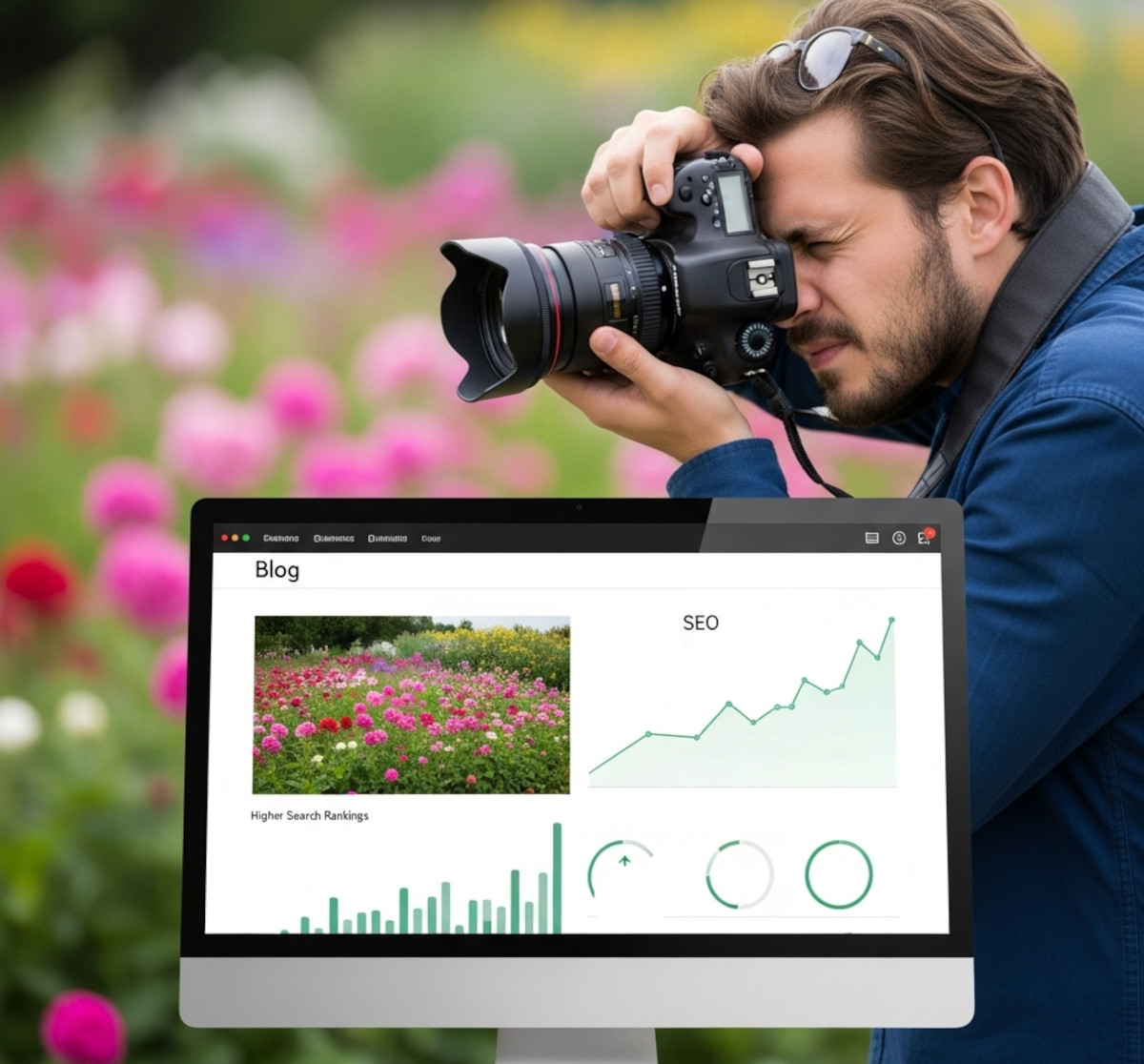
Do Images Help SEO on Blogs and Webpages? What If You Don’t Use Them?

Short Answer:
Images can significantly boost your website’s SEO by improving engagement, visibility, and context. Skipping them won’t get you penalized — but it might cost you traffic and performance.
The Role of Images in SEO: A Deeper Look
Images are more than just decoration - they can be powerful tools for improving your content’s performance in search engines. Whether you're publishing a blog post or building a standard webpage, images can influence everything from how long people stay on
... Continue reading
Posted in Ask David!, Search Engine Optimization (SEO)
Tagged adding images, alt tags, alt text, boost seo, boost traffic, bounce rate, branding, build trust, captions, click-through rate, conversions, credibility, ctr, drive traffic, engaging content, file names, google image search, image search, James Holzhauer, jeopardy!, on-page seo, originality, readability, search engine optimization, search engine ranking, seo, seo potential, seo signals, social sharing, stock photos, stock photos vs original photos, target keywords, unique images, user engagement, user experience, user-friendly, ux, visibility, visual appeal
Leave a comment
How Relevant Is the Ahrefs Health Score? What Actually Matters for SEO

If you’ve ever run an Ahrefs site audit and been hit with a low Health Score, it might feel like something’s seriously wrong. But is it?
Let’s be clear: the Ahrefs Health Score is not a ranking signal. It doesn’t reflect your traffic, search visibility, or how well your site actually performs in Google. What it does measure is how many technical issues Ahrefs finds based on its checklist.
And many of those issues? They’re not always critical.
What
... Continue reading
Posted in Search Engine Optimization (SEO)
Tagged ahrefs, Ahrefs Health Score, ahrefs site audit, alt tags, alt text, broken links, conversions, crawl errors, fast loading times, headings, meta description, ranking signal, redirect chains, search engine optimization, seo, seo tips, seo tools, technical issues, technical seo, title tags, UltimateWB SEO, Website Audit, Website Builder SEO, website optimization
Leave a comment
How can I start SEO on my own website?
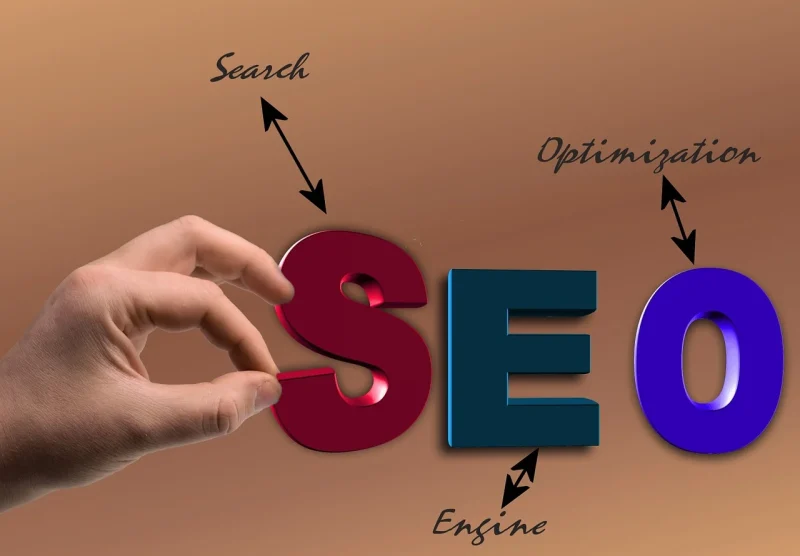
That's a good question and an important one - marketing is key to any business, and for websites a big part of it is SEO! Here is a guide we have put together...
Starting Your SEO Journey: A Beginner's Guide
SEO, or Search Engine Optimization, is the practice of improving a website's visibility and ranking in search engine results pages (SERPs) like Google. Here's a basic roadmap to get you started:
1. Keyword Research:
- Identify relevant keywords:
Posted in Ask David!, Search Engine Optimization (SEO)
Tagged alt tags, alt text, backlinks, bloat, clean code, code bloat, fast loading times, keyword research, local seo, long-tail keywords, mobile-friendly, off-page seo, on-page seo, optimize images, organic traffic, responsive, responsive app, search engine optimization, search engine optimization tips, search engine results pages, seo, serps, sitemap, sitemap generator, social media, technical seo, website traffic, xml, xml sitemap
Leave a comment
Best Practices for Improving Search Engine Visibility

Here are some specific best practices you can incorporate into your SEO strategy:
On-Page Optimization
- Keyword Placement: Strategically place your target keywords in your page title, meta description, headings, and body content. Avoid keyword stuffing.
- Content Quality: Create high-quality, informative, and engaging content that meets the search intent of your target audience.
- Page Structure: Use a clear and logical structure with headings and subheadings to improve readability and search engine understanding.
- Image Optimization: Use descriptive alt text for images, compress
Posted in Search Engine Optimization (SEO)
Tagged alt tags, baclinks, clean urls, compress images, fast loading times, headings, high-quality content, image optimization, local seo, mobile friendly, off-page seo, on-page optimization, on-page seo, page speed, page structure, pretty urls, sitemap, sitemap generator, social media, subheadings, target keywords, technical seo, url structure, xml, xml sitemap
Leave a comment
What Makes a Website User-Friendly?

Websites are essential for businesses and individuals alike. However, a website is only as effective as its ability to engage and guide users. A user-friendly website is intuitive, easy to navigate, and visually appealing. It's a tool that helps users achieve their goals quickly and efficiently.
Key Elements of a User-Friendly Website
- Clear and Concise Navigation:
- Intuitive Menus: Use clear and concise labels for menu items. It's easy to organize your website's menu with UltimateWB.
- Breadcrumbs: Indicate the user's current
Does Google Page Speed Insights tell you if your website is ADA compliant?

No, Google PageSpeed Insights (PSI) does not directly tell you if your website is ADA compliant. While PSI offers valuable insights into website performance and accessibility, it focuses on technical aspects that contribute to accessibility, not legal compliance with ADA regulations.
Here's a breakdown:
- Focus of Google PageSpeed Insights: PSI audits your website's code and identifies potential accessibility issues. These issues might include missing alternative text for images, insufficient color contrast, or lack of keyboard navigation options. By addressing these
Posted in Ask David!, Website Design
Tagged accessibility, ada compliance, ada compliant, ada website accessibility initiative, alt tags, americans with disabilites act, color contrast, google page speed insights, keyboard navigation, page speed insights, psi, WAVE, wcag, web accessibility evaluation tool, web content accessibility guidelines
Leave a comment
What Makes Website Content “High-Quality”? 6 Essential Search Standards

"Ask David!" question: "How do I know if my website content is 'high-quality content'? I want to rank high in Google and get a lot of website traffic."
When managing a site, creating content that actually ranks on search engines and converts visitors comes down to one core factor: quality. Search engine algorithms - specifically Google’s Search Essentials and Quality Rater Guidelines - focus heavily on Experience, Expertise, Authoritativeness, and Trustworthiness (E-E-A-T).
Whether you are launching a new site or
... Continue reading
Posted in Ask David!, Search Engine Optimization (SEO), Web Content
Tagged accuracy, alt tags, and Trustworthiness, ask david, authoritativeness, build trust, clarity, clean code, E-E-A-T, engaging ontent, experience, expertise, factuality, fast website, fresh content, Google’s Search Essentials, headings, high-quality content, high-quality images, interactive, internal links, keyword stuffing, polls, Quality Rater Guidelines, search engine optimization, search intent, seo, subheadings, target keywords
Leave a comment
What are some white hat SEO tricks and tips for boosting organic traffic?

Looking to increase your website’s organic traffic without cutting corners? These white hat SEO strategies focus on long-term, sustainable growth by playing by the rules and delivering real value.
🎯 Target Long-Tail Keywords
While high-volume keywords are tempting, they’re also highly competitive. Instead, focus on long-tail keywords - more specific search phrases your target audience actually uses. These give you a better chance of ranking and attracting qualified traffic.
📝 Craft Compelling Titles & Descriptions
Your titles and meta descriptions
... Continue reading
Posted in Ask David!, Search Engine Optimization (SEO)
Tagged accessibility, alt tags, alt text, authority, backlinks, build trust, clean code, fast-loading website, google my business listing, google search results, guest blogging, HARO, help a reporter out, internal linking, internal links, link juice, local seo, long-tail keywords, meta description, mobile friendly, optimize images, organic growth, organic traffic, page speed, responsive, responsive app, rich snippets, seo strategies, seo tips, seo tool, seo tricks, share expertise, star ratings, website speed, white hat
Leave a comment
What are the steps to do an e-commerce website SEO?

Optimizing an e-commerce website for SEO (Search Engine Optimization) is crucial to drive organic traffic and improve your online visibility. Here are the steps to effectively perform e-commerce website SEO:
- Keyword Research:
- Start by researching relevant keywords that your potential customers are likely to use in search engines. Use tools like Google Keyword Planner, SEMrush, or Ahrefs to identify high-value keywords.
- On-Page SEO:
- Optimize each product page and category page with target keywords in mind. This includes optimizing
Posted in Ask David!, E-commerce, Search Engine Optimization (SEO)
Tagged alt tags, backlinks, blogging, content creation, content marketing, e-commerce, fast loading times, https, keywords, meta description, mobile friendly, navigation menu, on-page seo, responsive app, search engine optimization, secure website, seo, sitemap, sitemap generator, target keywords, title, user experience, user-friendly, ux, xml, xml sitemap
Leave a comment
What’s the Best Website Builder for SEO?

Looking for the best website builder for SEO? If you want to rank high on Google, the builder you choose can make or break your site’s success. Some make it harder to optimize your site’s performance, speed, and structure. Others require third-party plugins that add unnecessary bloat and potential security risks.
If you're looking for a builder that's optimized for search engines right out of the box, UltimateWB is the clear winner. Let’s break down what makes a website builder
... Continue reading
Posted in Ask David!
Tagged accessibility, accessibility signals, alt tags, best website builder for seo, bloat, boost ranking, bounce rate, clean code, clean urls, core web vitals, crawl, engagement, fast loading times, fast website, faster indexing, high-quality content, index, keywords, lazy load images, lazy loading, meta description, meta tags, meta title, mobile-friendly, page title, pagespeed insights, pretty urls, responsive, responsive app, search engine crawl, search engine optimization, search engine ranking, security issues, seo, sitemap, sitemap generator, speed, styles manager, third-party plugin, user-friendly, W3C Markup Validation Service, W3C validation, webp, webp converter, website builder, WordPress, xml, xml sitemap
Leave a comment