





-
Recent Posts
- “My Partner Wants to Use WordPress Because 50% of the Web Uses It. Help!”
- Does EmDash Solve WordPress’s Problems, or Do You Need UltimateWB?
- How Not to Use AI: Stanford University Can Tell You
- Best Website Builder for SEO: WordPress vs. Wix vs. UltimateWB
- How to Make Sure Your Website Colors Have Enough Contrast for Accessibility
- Mobile-Friendly Website Checklist: 20 Things to Check
- Beehiiv Website Builder Review: The Problem Isn’t the Design – It’s the Lack of Control
- Elementor’s “Angie” AI Is More Than Bloat: Credits, Subscriptions, and a Growing Platform Problem
- How to Pass Google Business Profile Video Verification for Service Businesses
- The Great Deskilling: Why AI Dependence is Turning Developers into Prompt Babysitters
- The Three-Month Fuse: The Everest Forms Pro Attack and Why a Patched Plugin Can Still Put Websites at Risk
- Computer Screen Has Black Bars on the Sides: How to Fix It
- Could AI Make Humans Extinct Within the Next Decade?
- Is Weebly Getting Out of the Website-Builder Business?
- Are You “Leaking SEO” by Linking to Other Websites?
- Wix Harmony Is Now in Google Gemini. So Why Are Users Still Complaining?
- When AI Sounds Confident but Gets It Wrong: The Mount Shasta Rescue
- When AI Agents Start Working Together, Who Is Really in Control?
Categories
Tag Archives: faster indexing
How Social Media Marketing Can Boost Your Website’s SEO (Even If It’s Indirect)

Social media isn’t just about collecting likes and followers - it’s also a powerful way to strengthen your website’s SEO, even though it doesn’t directly impact Google’s ranking algorithm.
While Google has said social signals like shares or comments aren’t direct ranking factors, the indirect SEO benefits of social media marketing are very real - and they can seriously boost your online visibility and website traffic.
Here’s how social media helps your SEO and why it’s a smart
... Continue reading
Posted in Search Engine Optimization (SEO), Social Media
Tagged authority, backlink building, backlinks, boost traffic, boost visibility, bounce rate, branded searches, content marketing, credibility, digital marketing, engagement, facebook, faster indexing, google ranking, Google ranking algorithm, improve SEO, instagram, keywords, linkedin, local seo, match intent, related keywords, search engine optimization, search results, seo, seo benefits, seo content strategy, social media and SEO, social media marketing, social signals, trending topics, trust signals, twitter, user intent, x
Leave a comment
Does Faster Website Speed Increase Googlebot Crawl Frequency?

Boosting your website’s speed can significantly enhance how often and how efficiently Google crawls your site. This ties directly into what Google refers to as your “crawl budget.”
What Is Crawl Budget?
Crawl budget is the number of pages Googlebot is willing and able to crawl on your site within a certain period. It’s determined by two key factors:
- Crawl Rate Limit: The maximum number of requests per second Googlebot will make without overwhelming your server.
- Crawl Demand:
Posted in Ask David!, Search Engine Optimization (SEO)
Tagged caching, clean code, crawl budget, crawl frequency, crawl rate limit, fast hosting, fast-loading times, faster indexing, fresh content, Googlebot, indexing, ranking factor, reliability, responsive, seo, server reliability, site optimization, site speed, ssd, technical seo, user experience, website performance, website speed
Leave a comment
Can You Publish Content Too Fast for Google? And Does Consistency Matter?

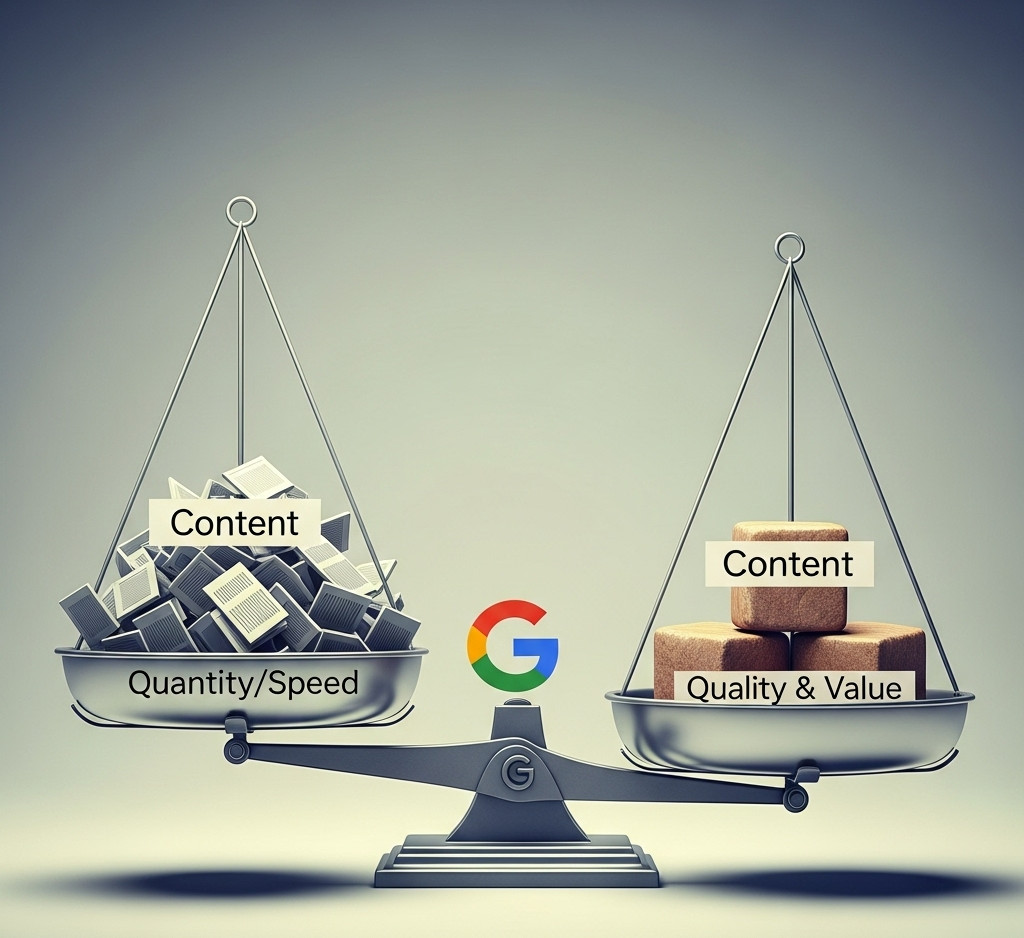
This topic is often misunderstood in SEO circles. Here’s the straightforward truth: You generally cannot publish content too fast in terms of volume alone - but if speed compromises quality, then yes, it’s a problem. And consistency absolutely matters, though maybe not exactly as you expect.
Can You Publish Content Too Fast for Google?
No - not inherently. Google’s main goal is to serve users the most relevant and high-quality content. John Mueller, Search Advocate from Google, has
... Continue reading
Posted in Ask David!, Search Engine Optimization (SEO), Web Content
Tagged AI-generated content, authority, boost seo, brand loyalty, build trust, content frequency, E-E-A-T, engagement, expertise, faster indexing, google, Google Search Advocate, high-quality content, John Mueller, keyword competition, search engine crawl, search engine optimization, seo, seo tips, thin content, thin pages, topical authority, user engagement signals
Leave a comment
Subdomain vs Subfolder: What’s Better for SEO and Your Website Setup?

Deciding between subfolders and subdomains for your website structure
When expanding your website, you might face a classic web architecture question:
Should I create a subdomain (e.g., blog.example.com) or a subfolder (e.g., example.com/blog)?
In the past, many SEO experts recommended subfolders because they were thought to inherit more SEO authority from the main domain. However, Google has officially stated that it does not inherently favor subdomains or subfolders - both can perform equally well for SEO if implemented properly. The
... Continue reading
Posted in Ask David!, Search Engine Optimization (SEO)
Tagged analytics, architecture, authority, backlink profile, backlinks, boost seo, branding, domain authority, drive traffic, duplicate content, faster indexing, internal linking, internal links, organic traffic, plugin vulnerabilities, regional content, search engine optimization, security risks, seo, seo authority, sitemap, sitemap generator, subdomain, subdomain vs subfolder, subfolder, targeting, user experience, website setup, website structure
Leave a comment
What are the benefits of SEO backlinks?
SEO backlinks are vital for digital marketing success, directly influencing your website's credibility and ranking. Let’s explore their advantages and how they enhance your online presence.
What Are Backlinks?
Backlinks, or inbound links, are hyperlinks from one website to another. They signal to search engines that your site offers valuable content, boosting its authority and relevance.
Benefits of SEO Backlinks
1. Boosted Search Engine Rankings
Backlinks are key to higher rankings on search engine results pages (SERPs). Links from
... Continue readingWhat’s the Best Website Builder for SEO?

Looking for the best website builder for SEO? If you want to rank high on Google, the builder you choose can make or break your site’s success. Some make it harder to optimize your site’s performance, speed, and structure. Others require third-party plugins that add unnecessary bloat and potential security risks.
If you're looking for a builder that's optimized for search engines right out of the box, UltimateWB is the clear winner. Let’s break down what makes a website builder
... Continue reading
Posted in Ask David!
Tagged accessibility, accessibility signals, alt tags, best website builder for seo, bloat, boost ranking, bounce rate, clean code, clean urls, core web vitals, crawl, engagement, fast loading times, fast website, faster indexing, high-quality content, index, keywords, lazy load images, lazy loading, meta description, meta tags, meta title, mobile-friendly, page title, pagespeed insights, pretty urls, responsive, responsive app, search engine crawl, search engine optimization, search engine ranking, security issues, seo, sitemap, sitemap generator, speed, styles manager, third-party plugin, user-friendly, W3C Markup Validation Service, W3C validation, webp, webp converter, website builder, WordPress, xml, xml sitemap
Leave a comment