




-
Recent Posts
- Could AI Make Humans Extinct Within the Next Decade?
- Is Weebly Getting Out of the Website-Builder Business?
- Are You “Leaking SEO” by Linking to Other Websites?
- Wix Harmony Is Now in Google Gemini. So Why Are Users Still Complaining?
- When AI Sounds Confident but Gets It Wrong: The Mount Shasta Rescue
- When AI Agents Start Working Together, Who Is Really in Control?
- WPForms and Rank Math: Did These WordPress Plugins Create a Backdoor With Admin Access?
- AI Can Text Your Friends for You. Wait, Who Am I Talking To?
- Bill Gates Is Betting on AI to Help Healthcare – While Warning About What AI Could Do to Jobs
- Wix Says AI Website Owners Should Care About Portability. There’s Just One Problem.
- WordPress 7.1 Broke WP Rocket: The Fatal Error and the Plugin Problem
- WordPress vs. UltimateWB for an Artist Website: Which Should You Choose?
- Thinking About Switching From WordPress? What Should You Consider Before You Move?
- The Airtable Acquisition Raises a Bigger Question: Do You Really Own the Software Your Business Runs On?
- How to Use Google Search Console’s New Generative AI Data to Improve Your SEO
- How to Update the Same Website Content on Multiple Pages at Once
- Discovered vs. Crawled Not Indexed in Google Search Console: What’s the Difference and How to Fix Each
- The Small Business Guide to Auditing Google Ads and Website Costs
Categories
Tag Archives: caching
How to Stop High Server Load from Distributed Botnets, Scrapers, and Database Queue Locks

When a server load spikes to 30, 50, or 100+, most sysadmins panic and start haphazardly restarting services or blocking random IP addresses. However, modern attacks are rarely as simple as a single bad IP.
Today’s botnets use distributed Layer 7 (HTTP) floods, rotating through hundreds of unique IPs with only 1 connection each, exploiting web server application queues, fake WordPress scanners, background AJAX polling scripts, and WordPress admin-ajax.php endpoints that lock up MySQL.
This comprehensive guide covers how to diagnose,
... Continue reading
Posted in Coding, Server Admin & Security
Tagged .htaccess, 127.0.0.1, 403 Forbidden errors, 404 errors, ajax, ajax polling, ajax requests, apache, apache rate limiting, automated system tasks, bingbot, botnets, cache, caching, cpu, cpu load, cron jobs, csf, csf whitelist, CT_BLOCK_TIME, CT_LIMIT, CT_PORTS, database polling, database queue locks, ddos attacks, distributed attack, Googlebot, high server load, http, ip address, Jeypack, layer 7, linux, load averages, mibew messenger, mod_evasive, mysql, operator refresh time, php, processes, RAM, scrapers, script, server attack, server load, server load spike, subnet attack, sysadmin commands, whitelist, whm, xmlrpc.php
Leave a comment
What Many “Best Website Builder for SEO” Articles Get Wrong

UltimateWB is a website builder designed around SEO fundamentals: clean, crawlable code, fast performance, built-in SEO tools, and full control over hosting and server configuration.
Search for “best website builder for SEO” and you’ll usually see the same names repeated: WordPress, Wix, Webflow, Shopify, Squarespace.
That repetition isn’t accidental. Many of these lists favor platforms with strong brand recognition and large affiliate programs - factors that don’t always correlate with technical SEO quality.
This article
... Continue reading
Posted in Compare Website Builders, Search Engine Optimization (SEO)
Tagged best website builder for seo, bloat, caching, clean code, clean code SEO, clean url, core web vitals, crawlability, css, custom code, dom size, downloadable website builder, engagement, fast load times, fast website, flexibility, high-quality content, hosted platform, html, javascript, meta description, meta tags, meta title, page experience, page speed, page speed insights, performance, php, ranking factor, rankings, redirect, saas, saas platform, saas website builder, scalability, search engine optimization, search engine ranking, security risks, self-hosted website builder, seo, seo comparison, SEO fundamentals, seo mistakes, SEO tips 2025, seo-friendly urls, sitemap, sitemap generator, technical seo, third-party plugins, url structure, website builder comparison, website builder features, Website Builder SEO, website maintainance, website performance SEO, website speed
Leave a comment
What Makes UltimateWB Easier to Use Than WordPress

When choosing a platform to build your website, ease of use is one of the most important factors.
You might have initially gravitated towards WordPress because it’s popular. But that doesn't mean much when you are deep in plugin chaos - from compatibility issues to security issues. Maintenance can become a nightmare with each core update.
Worse, getting the features you want and need - even a simple contact form - can often require a frustrating search through thousands of
... Continue reading
Posted in Compare Website Builders
Tagged asy website builder, caching, clean urls, compatibility issues, customizable website builder, easier than WordPress, easy maintenance, meta tags, performance, plugin-free website builder, plugins, scalability, scalable website builder, security issues, security vulnerabilities, SEO built in, sitemap, third party plugins, UltimateWB vs WordPress, webp, website builder comparison, website speed, WordPress, WordPress alternatives, yoast seo
Leave a comment
Do You Really Need a Website to Start a Business in 2025?

These days, it’s not unusual to see people running businesses entirely through social media. Platforms like Instagram, TikTok, and Facebook make it easy to share products, message customers, and even accept payments.
So if that’s possible, is a website still necessary?
This is something a lot of new entrepreneurs are thinking about. And while there’s no one-size-fits-all answer, there are some key reasons many businesses still choose to build a website - whether it’s on day one or
... Continue reading
Posted in Ask David!, Business, Social Media
Tagged backlnks, bloat, boost ranking, branding, build trust, caching, call to action, cdn, clean coding, clean design, credibility, easy navigation, facebook, fast website, google search engine ranking, headings, high-quality content, instagram, keywords, landing page, mobile friendly, responsive, responsive app, scalable, scalable website builder, search engine optimization, seo, social media, tiktok, website speed
Leave a comment
How to Build a Website That Loads in Under 1 Second – Without Plugins

Achieving sub-1-second load times in 2026 is no longer about finding the right 'caching plugin' - it is about architectural elimination. The industry-standard approach of stacking third-party dependencies creates a 'dependency nightmare' that introduces bloated HTTP requests and security vulnerabilities. This guide breaks down how to achieve high-performance rendering by stripping away the
... Continue reading
Posted in Search Engine Optimization (SEO)
Tagged bloat, bulky, caching, caching without plugins, clean code, compatibility issues, css, dependencies, fast hosting, fast loading website, fastest website builder, google search engine ranking, google search results, gtmetrix, how to speed up website, image compression, image optimization, image optimizers, javascript, minifiers, no plugins, pagespeed insights, performance, plugin conflicts, plugin-free website builder, plugins, search engine optimization, security risks, seo, seo plugin, site speed tips, themes, UltimateWB speed, UltimateWB vs WordPress, web hosting, webp converter, website optimization, website speed, WordPress
Leave a comment
Does Faster Website Speed Increase Googlebot Crawl Frequency?

Boosting your website’s speed can significantly enhance how often and how efficiently Google crawls your site. This ties directly into what Google refers to as your “crawl budget.”
What Is Crawl Budget?
Crawl budget is the number of pages Googlebot is willing and able to crawl on your site within a certain period. It’s determined by two key factors:
- Crawl Rate Limit: The maximum number of requests per second Googlebot will make without overwhelming your server.
- Crawl Demand:
Posted in Ask David!, Search Engine Optimization (SEO)
Tagged caching, clean code, crawl budget, crawl frequency, crawl rate limit, fast hosting, fast-loading times, faster indexing, fresh content, Googlebot, indexing, ranking factor, reliability, responsive, seo, server reliability, site optimization, site speed, ssd, technical seo, user experience, website performance, website speed
Leave a comment
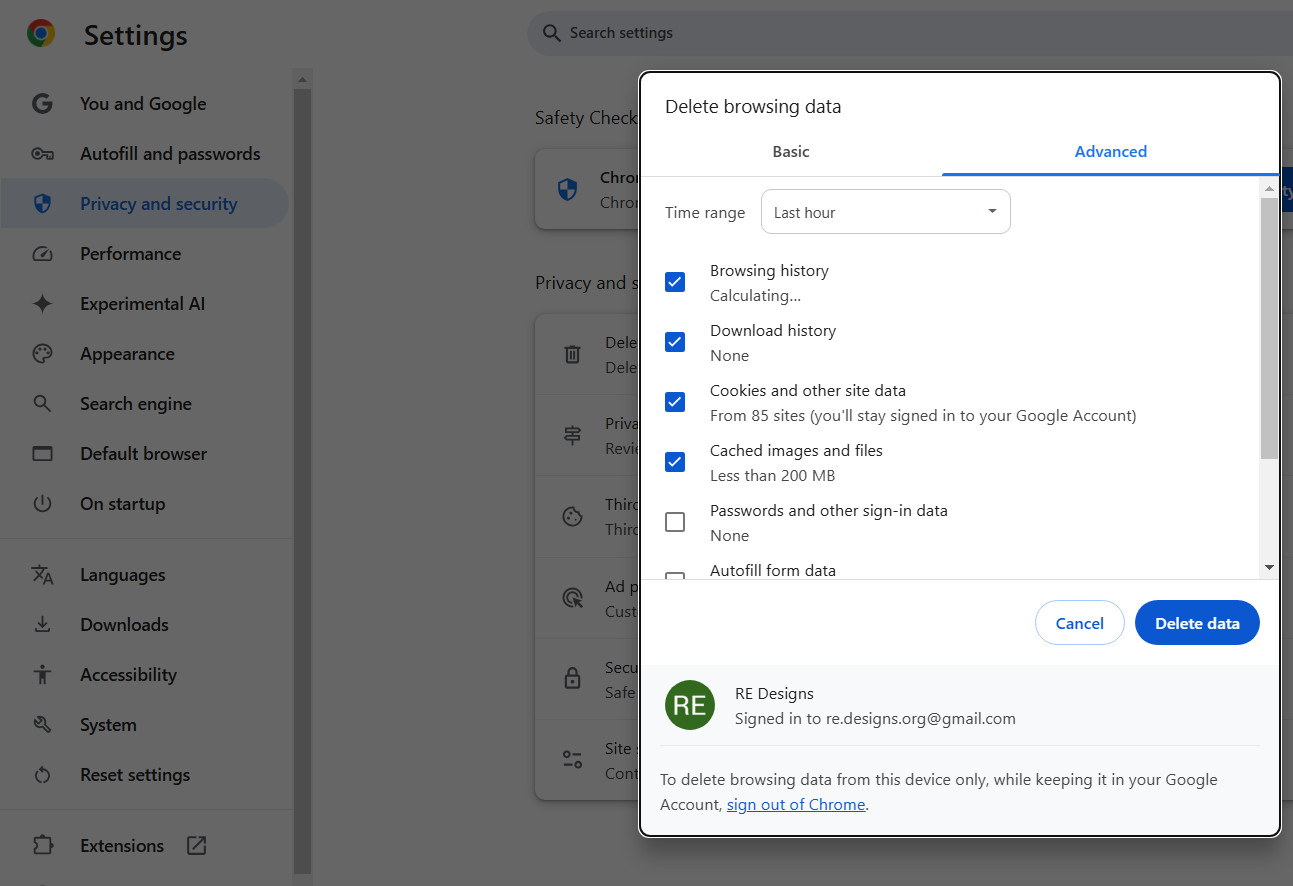
How to Clear Your Internet Browser Cache on Desktop and Mobile

In our previous post, Do Your Website Visitors Have to Clear Their Browser Cache? Here’s Why That’s a Problem - And Why You Don’t Need to Worry with UltimateWB, we talked about how you don't want to require your website visitors to clear their cache, and how UltimateWB is the solution for that. But, in case you need to clear your cache on a device and you don't know how, here it is...
Starting with the basics...
What Is
... Continue reading
Posted in Announcements
Tagged apple safari, caching, cdn, clear browser cache, clear cache, clear data, clear history, desktop, fast loading times, fast website, google chrome, htaccess, ios, ipad, iphone, macos, microsoft edge, mozilla firefox, pagespeed insights, safar, website data, website speed
Leave a comment
What makes a website builder great for SEO? Is SEO the same across all website builders?

What website builder you choose can make a great impact on your website's SEO. UltimateWB is known for its SEO friendliness and helping you get that free organic traffic. Here's why:
Assessing SEO-Friendliness in Website BuildersWhile SEO principles are generally consistent across different website builders, the tools and features they offer can significantly impact how well a website performs in search engine rankings.
Here are some key factors to consider when evaluating a page builder for SEO:
... Continue reading
Posted in Ask David!, Search Engine Optimization (SEO)
Tagged alt text, bloat, caching, clean code, clean urls, google analytics, Google Search Console, google search console insights, image compression, image optimization, meta description, meta keywords, meta tags, meta title, minimize code, mobile-friendly, organic traffic, responsive, responsive app, search engine optimization, search engine optimization tips, seo, seo-friendly urls
Leave a comment
What is the best CMS for fast loading websites?

Ask David! Question:
I want to have websites that run really fast, with minimum effort. So which website builder or CMS is the best for fast loading websites?
David's Answer:
What you want is a website builder that is also a CMS, built with a performance-first mindset. That means there is an emphasis on clean code and avoiding third-party plugins for the most part, which can add unnecessary bloat.
Among dynamic CMS options, a platform that keeps core features built
... Continue reading
Posted in Ask David!
Tagged best cms, bloat, caching, clean code, cms, conversions, css, database, dynamic, fast load times, fast loading times, fast website, fast-loading speed, hosted website builders, html, image compression, javascript, no plugins, page speed, performance, plugins, saas, scalability, search engine ranking, search ranking, security risk, third-party plugins, trust, trustworthy, user experience, web hosting, website speed, WordPress, WordPress themes
Leave a comment