


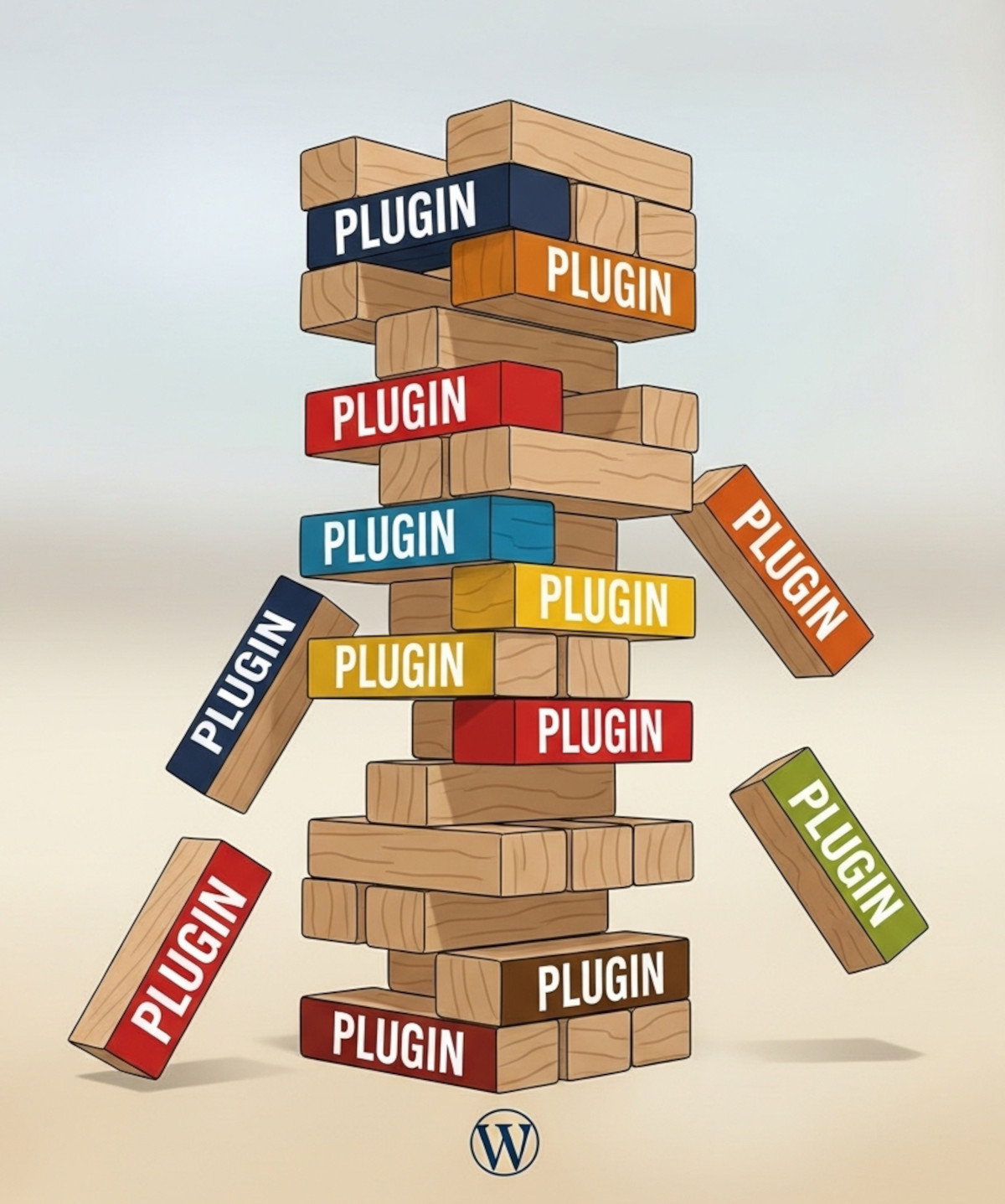


-
Recent Posts
- Could AI Make Humans Extinct Within the Next Decade?
- Is Weebly Getting Out of the Website-Builder Business?
- Are You “Leaking SEO” by Linking to Other Websites?
- Wix Harmony Is Now in Google Gemini. So Why Are Users Still Complaining?
- When AI Sounds Confident but Gets It Wrong: The Mount Shasta Rescue
- When AI Agents Start Working Together, Who Is Really in Control?
- WPForms and Rank Math: Did These WordPress Plugins Create a Backdoor With Admin Access?
- AI Can Text Your Friends for You. Wait, Who Am I Talking To?
- Bill Gates Is Betting on AI to Help Healthcare – While Warning About What AI Could Do to Jobs
- Wix Says AI Website Owners Should Care About Portability. There’s Just One Problem.
- WordPress 7.1 Broke WP Rocket: The Fatal Error and the Plugin Problem
- WordPress vs. UltimateWB for an Artist Website: Which Should You Choose?
- Thinking About Switching From WordPress? What Should You Consider Before You Move?
- The Airtable Acquisition Raises a Bigger Question: Do You Really Own the Software Your Business Runs On?
- How to Use Google Search Console’s New Generative AI Data to Improve Your SEO
- How to Update the Same Website Content on Multiple Pages at Once
- Discovered vs. Crawled Not Indexed in Google Search Console: What’s the Difference and How to Fix Each
- The Small Business Guide to Auditing Google Ads and Website Costs
Categories
Tag Archives: plugin vulnerabilities
The Hidden Cost of WordPress Security: Why Security Plugins Aren’t the Whole Answer

If you run a website, you know that security isn’t optional. For millions of WordPress users, the immediate reaction to securing a site is to install a security plugin. It’s practically a rite of passage.
But there is a conversation that many developers and web hosts avoid having until it's too late: the real cost of application-level security.
We aren't just talking about subscription fees. We're talking about the hidden performance tax, the administrative burden of constant updates, and the
... Continue reading
Posted in Compare Website Builders, Website Security
Tagged abandoned plugins, backdoor, backups, compatibility issues, cpu, CPU spikes, database, firewall, firewall rules, javascript, maintenance, malcar, malicious code, malware, performance tax, plugin, plugin compatibility issues, plugin vulnerabilities, RAM, security plugin, security stack, solid security, subscription fees, waf, web application firewall, website security, wordfence, WordPress, WordPress plugin vulnerabilities, wordpress security
Leave a comment
WooCommerce Subscriptions Cost: Avoid the $279 Add-On Trap

If you are building an online shop with WordPress, the initial pitch sounds incredible: the core software is open-source, and WooCommerce is "completely" free.
But there is a catch that catches almost every small business owner off guard.
The exact moment you try to move away from simple, one-time checkouts and add a recurring revenue stream - like a monthly subscription box, a premium membership, or a repeat service plan - you hit a major financial wall.
Suddenly,
... Continue reading
Posted in Compare Website Builders, E-commerce
Tagged bloat, core web vitals, e-commerce, hacked, open-source, pagespeed insights, performance, plugin vulnerabilities, plugins, stability, subscriptions, third-party plugins, vulnerabilities, woocommerce, WooCommerce subscriptions, WordPress
Leave a comment
Why Relying on WordPress Plugins Can Backfire (And How to Avoid It)

Many people choose WordPress because they think “you own it” and can do whatever you want. While WordPress does offer flexibility, there’s a hidden risk: relying heavily on third-party plugins.
Plugins can add powerful functionality to your WordPress website - forums, SEO tools, sliders, analytics - but they’re maintained by independent developers. That means your site’s features and stability are dependent on someone else’s decisions. And history shows this can lead to real problems.
Real-Life Examples of Plugins That
... Continue reading
Posted in Compare Website Builders
Tagged abandoned plugins, all-in-one, easy maintenance, forum plugins, plugin risks, plugin vulnerabilities, security risks, security vulnerabilities, SEO plugins, site maintenance, third-party plugins, UltimateWB vs WordPress, website builder, website maintenance, website security, WordPress, wordpress plugins, wordpress vulnerabilities
Leave a comment
Why Avoiding Third-Party Plugins Makes Your Website Faster, Safer, and Easier to Manage

Many website builders - like WordPress, Shopify, and Wix - rely heavily on third-party plugins to add features and functionality. While plugins can be convenient, they often come with trade-offs in speed, security, and maintenance, which can frustrate users and hold back your website’s performance. Here’s why choosing a plugin-free platform like UltimateWB gives you an edge.
1. Plugins Can Slow Your Website Down
Every plugin adds extra code, scripts, and server requests, which increases page
... Continue reading
Posted in Compare Website Builders, Search Engine Optimization (SEO), Website Design, Website Security
Tagged bloat, clean code, easy updates, fast load times, fast website, hacked, platform architecture, plugin vulnerabilities, plugin-free websites, plugins, search engine optimization, security risks, seo, SEO performance, Shopify, third party plugins, third-party plugins, user experience, web development best practices, web performance, website builder, website builders, website maintenance, website management, website performance, website reliability, website security, website speed, website speed optimization, Wix, WordPress, wordpress vulnerabilities
Leave a comment
Subdomain vs Subfolder: What’s Better for SEO and Your Website Setup?

Deciding between subfolders and subdomains for your website structure
When expanding your website, you might face a classic web architecture question:
Should I create a subdomain (e.g., blog.example.com) or a subfolder (e.g., example.com/blog)?
In the past, many SEO experts recommended subfolders because they were thought to inherit more SEO authority from the main domain. However, Google has officially stated that it does not inherently favor subdomains or subfolders - both can perform equally well for SEO if implemented properly. The
... Continue reading
Posted in Ask David!, Search Engine Optimization (SEO)
Tagged analytics, architecture, authority, backlink profile, backlinks, boost seo, branding, domain authority, drive traffic, duplicate content, faster indexing, internal linking, internal links, organic traffic, plugin vulnerabilities, regional content, search engine optimization, security risks, seo, seo authority, sitemap, sitemap generator, subdomain, subdomain vs subfolder, subfolder, targeting, user experience, website setup, website structure
Leave a comment
Do WordPress plugins sometimes leave stuff on your website after uninstalling the plugin?

Yes, WordPress plugins can sometimes leave leftover data on your website after uninstalling them. It is another drawback to using WordPress plugins, besides security issues. (And it's not just WordPress, but also other open source platforms like Magento, Drupal, and Joomla.)
Data Uninstalled Plugins may leave behind on your website:
- Database tables: Some plugins create their own tables in your WordPress database to store settings or data. If the plugin doesn't properly clean up after itself during uninstall, these
Is WooCommerce Safe? The Risks & Hidden Costs of Its Plugins
One of the biggest questions store owners ask: Is WooCommerce really safe for running an online store?
Choosing an e-commerce platform is one of the most critical infrastructure decisions for an online business. Because WooCommerce is a free WordPress plugin, it is often the default choice for launching a store. Its massive ecosystem of themes and extensions offers immense flexibility, but that fragmentation comes with significant compromises in performance, security, and long-term costs.
If you are considering WooCommerce - or
... Continue reading
Posted in Ask David!, Compare Website Builders, E-commerce
Tagged bloat, compatibility issues, data breaches, ddos attacks, e-commerce app, e-commerce features, european union, fraudpayment gateway security, gdpr, general data protection regulation, online store, phishing, plugin compatibility, plugin vulnerabilities, regulatory compliance, resource intensive, safe, search engine optimization, seo, third party plugins, third-party plugin, woocommerce, woocommerce safety
Leave a comment