



-
Recent Posts
- “My Partner Wants to Use WordPress Because 50% of the Web Uses It. Help!”
- Does EmDash Solve WordPress’s Problems, or Do You Need UltimateWB?
- How Not to Use AI: Stanford University Can Tell You
- Best Website Builder for SEO: WordPress vs. Wix vs. UltimateWB
- How to Make Sure Your Website Colors Have Enough Contrast for Accessibility
- Mobile-Friendly Website Checklist: 20 Things to Check
- Beehiiv Website Builder Review: The Problem Isn’t the Design – It’s the Lack of Control
- Elementor’s “Angie” AI Is More Than Bloat: Credits, Subscriptions, and a Growing Platform Problem
- How to Pass Google Business Profile Video Verification for Service Businesses
- The Great Deskilling: Why AI Dependence is Turning Developers into Prompt Babysitters
- The Three-Month Fuse: The Everest Forms Pro Attack and Why a Patched Plugin Can Still Put Websites at Risk
- Computer Screen Has Black Bars on the Sides: How to Fix It
- Could AI Make Humans Extinct Within the Next Decade?
- Is Weebly Getting Out of the Website-Builder Business?
- Are You “Leaking SEO” by Linking to Other Websites?
- Wix Harmony Is Now in Google Gemini. So Why Are Users Still Complaining?
- When AI Sounds Confident but Gets It Wrong: The Mount Shasta Rescue
- When AI Agents Start Working Together, Who Is Really in Control?
Categories
Tag Archives: seo strategy
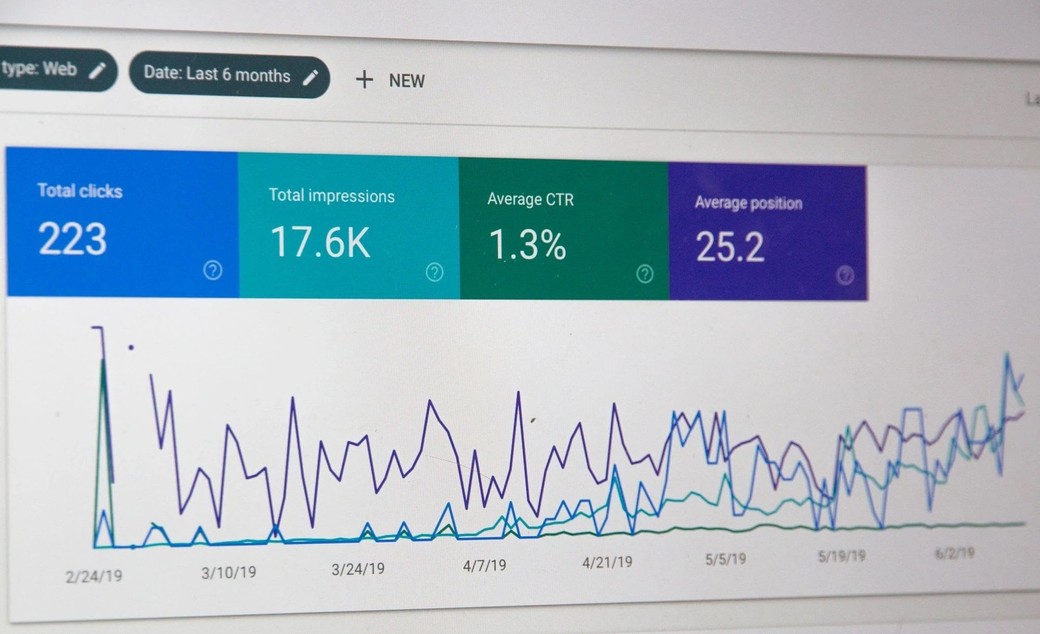
How to Use Google Search Console’s New Generative AI Data to Improve Your SEO

If you run a website, you’ve probably noticed a massive shift in how people find information online. Between AI Overviews at the top of search results and interactive search interfaces like AI Mode, traditional organic search traffic patterns are changing fast.
For a long time, site owners had no clear way to measure this visibility. Google addressed this gap by introducing dedicated Generative AI performance reporting inside Google Search Console (GSC). If the update has rolled out to your Search
... Continue reading
Posted in AI, Search Engine Optimization (SEO)
Tagged AI crawling, ai impressions, ai mode, ai overviews, AI visibility, clicks, crawlers, ctr, Generative AI performance, Google Search Console, Googlebot, gsc, headings, indexing, keyword research, keyword stuffing, keyword targeting, organic traffic, page structure, schema markup, search engine results, search performance, seo, seo strategy, serps, structured data, user experience
Leave a comment
Are Personal Websites Still Worth It? Why Ownership Still Wins in the AI Era

There’s a question that keeps resurfacing in different forms:
Are personal websites still worth it?
It shows up in slightly different searches:
- “do I need a personal website anymore”
- “are websites still relevant”
- “is it worth having a personal site in 2026”
And underneath all of them is the same assumption:
If social platforms and AI handle discovery, does owning a website still matter?
The short answer is yes - but not for the reasons most people think.
The longer
... Continue reading
Posted in Ask David!, Social Media
Tagged ai optimization, AI search, aio, AIO optimization, algorithm, are websites still worth it, audience retention, brand positioning, build trust, content consumption, conversion, convert leads, creator economy, customer retention, digital branding, email marketing, engagement, generative engine optimization, geo, GEO optimization, instagram, linkedin, mailing list, medium, ownership, personal websites, search engine optimization, seo, seo strategy, social media, social platform, substack, trustworthy, twitter, user retention, visibility, website ownership, youtube
Leave a comment
Signs Your Website Content Is Too Focused on Keyword Targeting

"Ask David" Question: "How can I tell if my website content is over-optimized for keywords, or if it’s actually useful for visitors?"
Short answer
If your content sounds unnatural, repeats the same phrases, or feels written for search engines instead of people, it’s probably over-optimized - and that can hurt rankings instead of helping them.
Modern SEO rewards clarity, usefulness, and intent, not keyword stuffing.
Related: Google Algorithm Penalties Explained: What They Are, Why They Happen, and How
... Continue reading
Posted in Ask David!, Search Engine Optimization (SEO), Web Content
Tagged clarity, content quality, keyword optimization, keyword stuffing, on-page seo, search engine ranking, search intent, seo, seo content, seo mistakes, seo mitakes, seo strategy, userful, website content strategy
Leave a comment
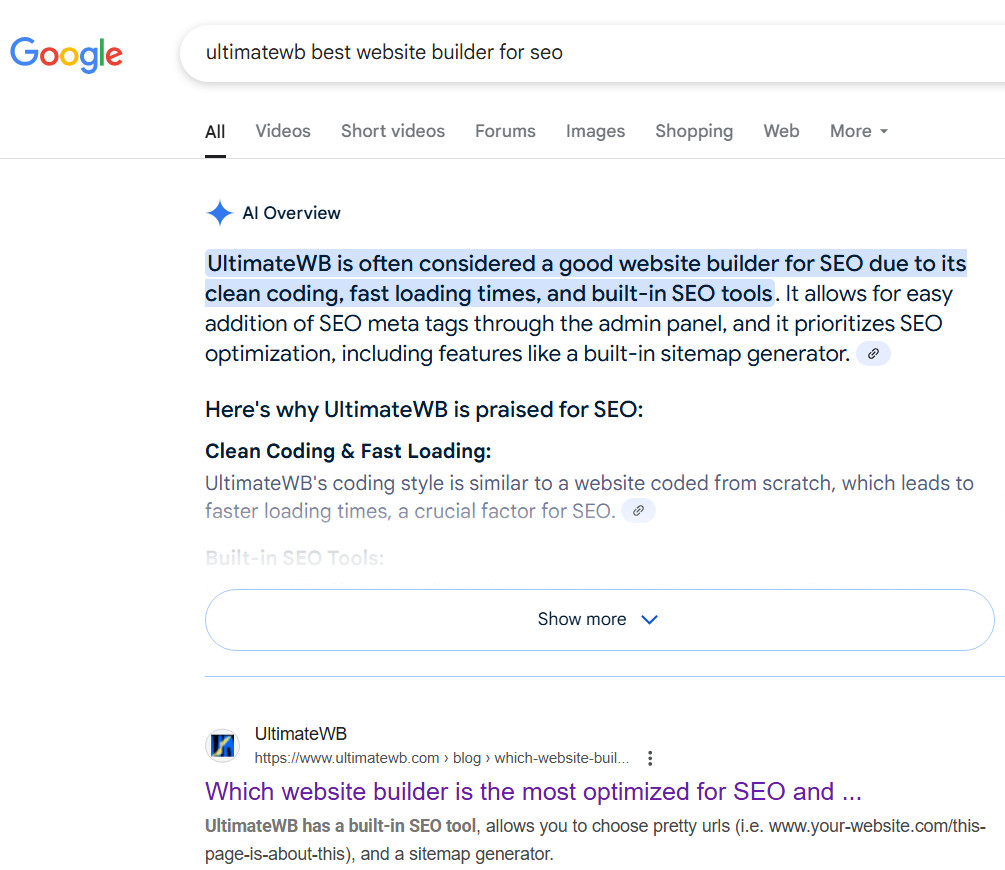
The AI Overview Era: Will Google’s New AI Steal Your Website Traffic? Solution?

Welcome to the Age of AI Overviews - and Zero-Click Searches
Google’s search results page just got a major upgrade - and a potential shakeup for website owners. With the broader rollout of AI Overviews, Google is now providing instant, AI-generated answers at the top of search results. It’s designed to save users time… but it could be costing you traffic.
This shift marks the rise of what many in SEO call zero-click searches - when users get the
... Continue reading
Posted in Search Engine Optimization (SEO), Website Traffic
Tagged AI and website click, ai overviews, AI Overviews impact on website traffic, AI SEO, authority, bounce rates, content strategy for AI, core web vitals, curiosity click, E-A-T in AI era, engaging content, fast loading times, featured snippets, future of search, Google AI, google ai overviews, google discover, headings, high-quality content, long-tail keywords, niche queries, optimizing for AI Overviews, page structure, responsive, search engine clicks, search engine optimization, seo, seo strategy, trust, user experience, ux, website speed, website strategy, website traffic, website visibility, zero-click search, zero-click searches
Leave a comment
How can you monitor competitors’ search engine optimization results in real time without using paid software?

While there isn't a way to monitor competitor SEO results in real-time without paid software, there are some free tools and techniques you can employ to stay informed:
1. Free SEO Monitoring Tools:
- Google Search Console: This free tool by Google provides valuable insights into your website's search traffic and performance. You can use it to track your ranking for specific keywords, identify crawl errors, and see which keywords your competitors rank for (though not their exact ranking positions).
Posted in Ask David!, Search Engine Optimization (SEO)
Tagged competitor activity, competitor tracking, google alerts, Google Search Console, high-quality content, search engine optimization, search engine results pages, seo, seo monitoring, seo strategy, serps, social media, target audience, target keywords
Leave a comment
The SEO Hustle: When Google Changes the Rules (Again)

SEO – optimizing your website for search engines to gain organic traffic – can feel like a rollercoaster ride. You meticulously craft a strategy, watch your traffic climb, then – bam – a Google algorithm update throws everything into question. Sound familiar?
From the Helpful Content Update (HCU) to ongoing core algorithm updates and even the rise of AI Overviews in search results, the evolution of search keeps reminding us of a harsh reality: you don’t control the game, Google
... Continue reading
Posted in Search Engine Optimization (SEO), Website Traffic
Tagged ai overviews, clarity, clean code, content is king, easy navigation, easy to use, fast loading times, fast website, Google algorithm update, hcu, helpful content update, high-quality content, keyword stuffing, link farms, mobile-friendly, organic traffic, pagespeed insights, performance, repetitive pages, search engine optimization, search engine ranking, seo, seo disaster, seo strategy, seo tips, storytelling, thin content, usefulness, user experience, user intent, user-friendly, value, website traffic
Leave a comment