



-
Recent Posts
- “My Partner Wants to Use WordPress Because 50% of the Web Uses It. Help!”
- Does EmDash Solve WordPress’s Problems, or Do You Need UltimateWB?
- How Not to Use AI: Stanford University Can Tell You
- Best Website Builder for SEO: WordPress vs. Wix vs. UltimateWB
- How to Make Sure Your Website Colors Have Enough Contrast for Accessibility
- Mobile-Friendly Website Checklist: 20 Things to Check
- Beehiiv Website Builder Review: The Problem Isn’t the Design – It’s the Lack of Control
- Elementor’s “Angie” AI Is More Than Bloat: Credits, Subscriptions, and a Growing Platform Problem
- How to Pass Google Business Profile Video Verification for Service Businesses
- The Great Deskilling: Why AI Dependence is Turning Developers into Prompt Babysitters
- The Three-Month Fuse: The Everest Forms Pro Attack and Why a Patched Plugin Can Still Put Websites at Risk
- Computer Screen Has Black Bars on the Sides: How to Fix It
- Could AI Make Humans Extinct Within the Next Decade?
- Is Weebly Getting Out of the Website-Builder Business?
- Are You “Leaking SEO” by Linking to Other Websites?
- Wix Harmony Is Now in Google Gemini. So Why Are Users Still Complaining?
- When AI Sounds Confident but Gets It Wrong: The Mount Shasta Rescue
- When AI Agents Start Working Together, Who Is Really in Control?
Categories
Tag Archives: original content
What are “thin pages,” and how can they hurt your On-Page SEO?

"Thin pages" are web pages that provide little to no value to users. They typically contain very little original content, lack depth, and don't adequately address the user's search intent. These pages can significantly harm your on-page SEO.
Here's a breakdown of what thin pages are and how they can negatively impact your website's search engine rankings:
Characteristics of Thin Pages:
- Low Word Count: They contain very little text, often just a few sentences or paragraphs.
- Duplicate or Scraped
Posted in Ask David!, Search Engine Optimization (SEO)
Tagged affiliate links, affiliate pages, bounce rate, content audits, crawl budget, doorway pages, duplicate content, high-quality content, internal linking, keyword stuffing, keywords, lack of value, low content quality, low word count, on-page seo, organic traffic, original content, scraped content, search engine optimization, search engine penalties, search engine ranking, seo, thin pages, user experience, user intent, website authority
Leave a comment
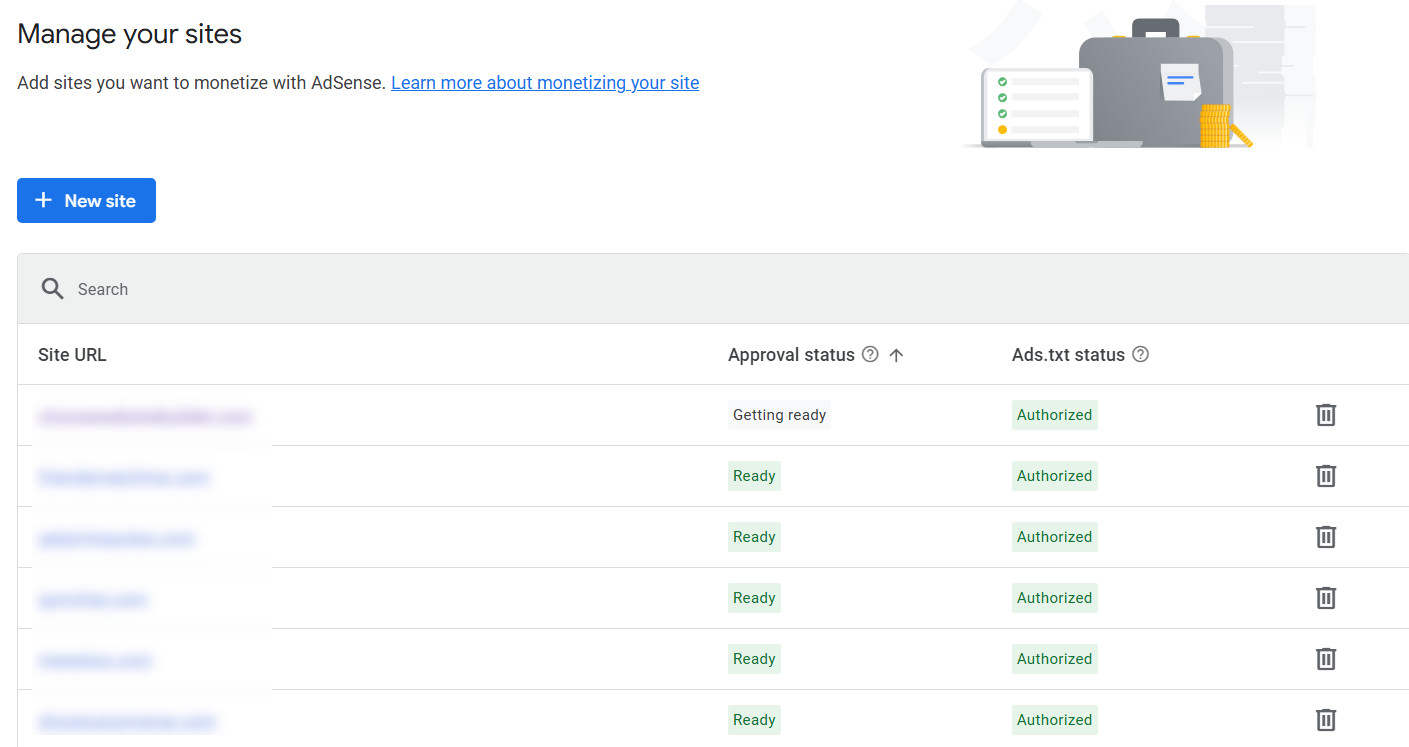
How long does it usually take for Google to approve a new website for Google Adsense?

The time it takes for Google to approve a new website for Google AdSense can vary.
- Typical Range: Usually, it takes a few days, but it can sometimes take 2-4 weeks.
- Factors that can influence the time:
- Website Quality: Websites that meet AdSense program policies (original, high-quality content, user-friendly, etc.) are typically approved faster.
- Website Traffic: Websites with substantial traffic may be reviewed more quickly.
- Application Completeness: Providing accurate and complete information during the application process can speed up