









-
Recent Posts
- Thinking About Switching From WordPress? What Should You Consider Before You Move?
- The Airtable Acquisition Raises a Bigger Question: Do You Really Own the Software Your Business Runs On?
- How to Use Google Search Console’s New Generative AI Data to Improve Your SEO
- How to Update the Same Website Content on Multiple Pages at Once
- Discovered vs. Crawled Not Indexed in Google Search Console: What’s the Difference and How to Fix Each
- The Small Business Guide to Auditing Google Ads and Website Costs
- Do Professional Writers Still Need SEO in the Age of AI?
- Search Engine First vs. People First Content: Why Generic FAQ Dumps Harm Your SEO
- Looking for a Website Builder Without AI? Which One Should You Choose?
- Keyword Cannibalization: How to Find and Fix the Pages Stealing Your Own Google Traffic
- Why Great Content Gets Stuck on Page 8 (And How to Fix It)
- Why MySQL FULLTEXT Search Returns 0 Results (And How to Fix It)
- The Reality of Domain Speculation on New TLD Launches: Is It Still Worth It?
- The Hidden Domain Name Lock-In: Which Registrars Restrict Nameservers?
- Paying $10,000 a Month for SEO? Here’s How to Tell If You’re Getting Your Money’s Worth
- Introducing New WordPress Magazine Layouts in UltimateWB 9 (With Early Access)
- How to Fix the WordPress “Critical Error” on the Widgets Page After a PHP Upgrade
- The Hidden Risk of SaaS Website Builders: Lessons from the Recent Wix Outage
Categories
Tag Archives: google search engine ranking
How to Optimize Your Webpages So They Get Found by Search Engines and AI (LLMs)?

If you want your website to get noticed online, it’s important to make sure it’s easy to find and understand - not just by search engines like Google, but also by the latest AI technologies powered by something called large language models, or LLMs for short.
These LLMs - including well-known ones like OpenAI’s GPT-4 (used in ChatGPT), Google’s Gemini, Anthropic’s Claude, and Meta’s LLaMA - are advanced AI systems that read and interpret text on the web to answer
... Continue reading
Posted in AI, Ask David!, Search Engine Optimization (SEO)
Tagged accessibility, ai, anthropic, chatgpt, claude, faq, fast loading times, fast website, fresh content, gemini, Google Search Console, google search engine ranking, headings, high-quality conetnt, keywords, llama, llm, meta, meta description, meta tags, meta title, mobile-friendly, OpenAI, responsive, responsive app, schema markup, search snippets, structure, subheadings, trustworthy, usability
Leave a comment
Should You Fix Meta Tags on Every Page? Here’s When It Matters (and When It Doesn’t)

If you're diving into SEO and using tools like Ahrefs or SEMrush, you may run into a common issue: pages flagged for having meta titles or descriptions that are too long. When this happens on hundreds of pages, it raises a practical question:
Do you really need to fix meta tags on every page? Or just some?
The answer isn’t one-size-fits-all. Let’s break down when meta tags matter, when they don’t, and how to prioritize your time and effort.
... Continue reading
Posted in Search Engine Optimization (SEO)
Tagged ahrefs, click-through rate, ctr, google search engine ranking, google search results, high-quality content, impressions, meta description, meta tags, meta title, metadata, return on investment, roi, search engine optimization, search engine result pages, search snippets, semrush, seo, serps, title tag
Leave a comment
Do You Really Need a Website to Start a Business in 2025?

These days, it’s not unusual to see people running businesses entirely through social media. Platforms like Instagram, TikTok, and Facebook make it easy to share products, message customers, and even accept payments.
So if that’s possible, is a website still necessary?
This is something a lot of new entrepreneurs are thinking about. And while there’s no one-size-fits-all answer, there are some key reasons many businesses still choose to build a website - whether it’s on day one or
... Continue reading
Posted in Ask David!, Business, Social Media
Tagged backlnks, bloat, boost ranking, branding, build trust, caching, call to action, cdn, clean coding, clean design, credibility, easy navigation, facebook, fast website, google search engine ranking, headings, high-quality content, instagram, keywords, landing page, mobile friendly, responsive, responsive app, scalable, scalable website builder, search engine optimization, seo, social media, tiktok, website speed
Leave a comment
How to Build a Website That Loads in Under 1 Second – Without Plugins

Achieving sub-1-second load times in 2026 is no longer about finding the right 'caching plugin' - it is about architectural elimination. The industry-standard approach of stacking third-party dependencies creates a 'dependency nightmare' that introduces bloated HTTP requests and security vulnerabilities. This guide breaks down how to achieve high-performance rendering by stripping away the
... Continue reading
Posted in Search Engine Optimization (SEO)
Tagged bloat, bulky, caching, caching without plugins, clean code, compatibility issues, css, dependencies, fast hosting, fast loading website, fastest website builder, google search engine ranking, google search results, gtmetrix, how to speed up website, image compression, image optimization, image optimizers, javascript, minifiers, no plugins, pagespeed insights, performance, plugin conflicts, plugin-free website builder, plugins, search engine optimization, security risks, seo, seo plugin, site speed tips, themes, UltimateWB speed, UltimateWB vs WordPress, web hosting, webp converter, website optimization, website speed, WordPress
Leave a comment
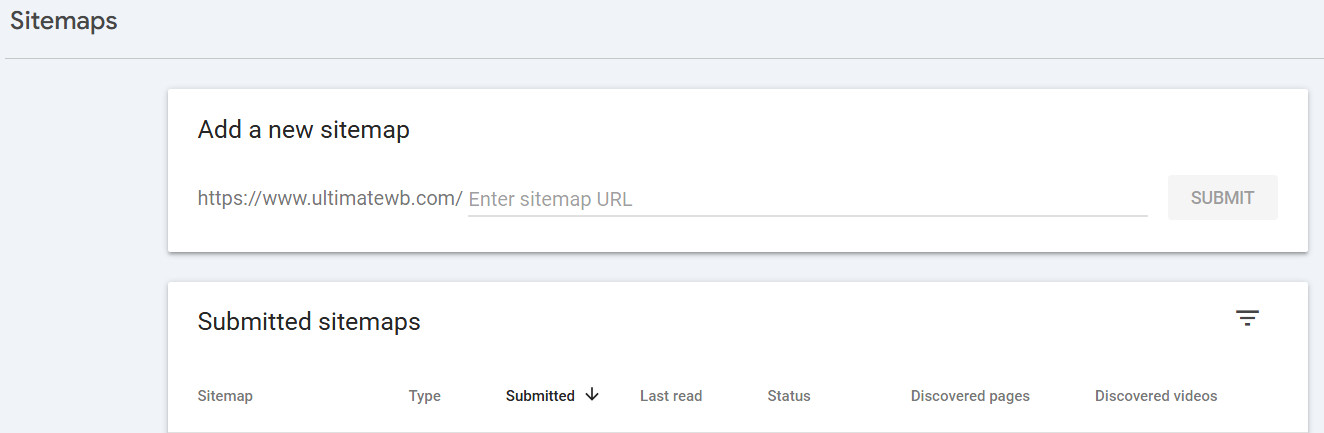
How to Submit a Sitemap to Google Search Console: A Step-by-Step Guide

In our previous post, we covered how many URLs you can submit using the Google Search Console (GSC) URL Inspection tool and why there’s a daily limit to keep in mind. While the URL Inspection tool is handy for checking and requesting indexing for individual URLs, submitting a sitemap is a powerful way to help Google discover, crawl, and eventually rank your website’s content at scale.
A sitemap acts like a roadmap for search engines, listing all the important pages
... Continue readingWhen Should I Start SEO For My New Website?

If you’re launching a new website, chances are you’ve already heard about SEO - Search Engine Optimization. You know it’s important. You know it helps people find you on Google. But when exactly should you start doing SEO?
Short answer: Yesterday...or weeks ago...
Long answer: The moment you start planning your website - not after it’s built.
Let’s dig into why starting SEO early matters, and how to do it right from day one.
Why Early SEO Matters
... Continue reading
Posted in Ask David!, Search Engine Optimization (SEO)
Tagged ahrefs, backlinks, beginner SEO guide, boost conversions, boost traffic, clean url, crawl, early SEO tips, easy navigation, fast-loading times, fresh content, generate leads, google analytics, Google Business Profile, google keyword planner, Google Search Console, google search engine ranking, headers, headings, high-quality content, index, keyword research, keywords, local seo, meta description, mobile-friendly, search engine optimization, seo, SEO checklist, SEO for new website, SEO website launch, site structure, sitemap, sitemap generator, target keywords, title tag, trust, ubersuggest, visibility, webp, webp converter, website SEO strategy, website speed, when to start SEO
Leave a comment
How to Write a Great Blog Post That Ranks on Google?

Introduction: What Makes a Blog Post Great?
Writing a great blog post involves more than just good writing - it’s about creating valuable, well-structured, and SEO-friendly content that solves your readers’ problems. Whether you're blogging for business, content marketing, or personal branding, these tips will help you write blog posts that rank on Google and engage your audience.
1. Identify Your Target Audience
Understanding your audience is key to writing successful blog posts. Ask yourself:
- Who are you writing for?
Posted in Ask David!, Search Engine Optimization (SEO), Web Content
Tagged build traffic, call to action, click-through rates, click-worthy title, credibility, external links, fast loading times, featured snippet, google keyword planner, google search engine ranking, grammarly, headings, hemingway, internal links, keywords, mobile-friendly, rank on google, readability, responsive, responsive app, search engine optimization, search engine ranking, seo, seo topis, seo-friendly, target audience, target keywords, technical seo, ubersugest, user experience
Leave a comment
What is SEO? A Simple Guide for Website Owners

We’ve shared a lot of SEO tips and strategies - from writing high-quality content to building backlinks. But if you’re just starting out, let’s go back to basics. If you’ve heard people talk about “ranking on Google” or “getting more organic traffic,” they’re talking about SEO. But what exactly is it - and why should you care?
What Does SEO Mean?
SEO stands for Search Engine Optimization. It’s the process of improving your website so it can
... Continue reading
Posted in Ask David!, Search Engine Optimization (SEO)
Tagged backlinks, bounce rate, build backlinks, build trust, clicks, credibility, drive traffic, easy vaigation, fast loading times, google search engine ranking, high-quality content, keywords, mobile-friendly, organic traffic, paying for ads, search engine optimization, search engine ranking, seo, seo strategies, seo tips, technical optimization, technical seo, user experience, visibility
Leave a comment
Do You Need a Lot of Text on Your Website to Rank on the First Page of Google?

When it comes to ranking on the first page of Google, one common question many website owners and digital marketers ask is: “Do I need a lot of text on my website to rank well?” The answer isn’t a simple yes or no - it depends on a variety of factors, including the nature of your content, user intent, and SEO best practices.
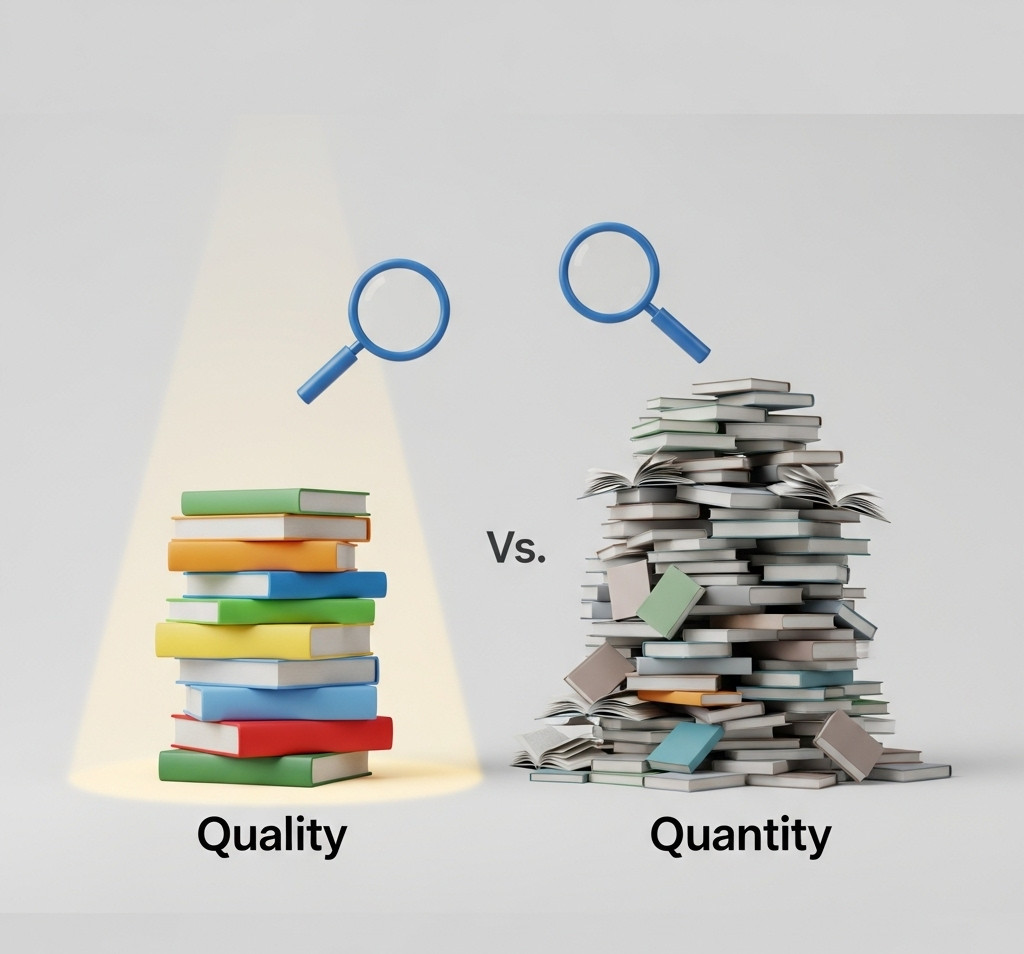
Quality Over Quantity
Let’s start by debunking a myth: more text doesn’t automatically mean better rankings. Google’s
... Continue reading
Posted in Ask David!, Search Engine Optimization (SEO), Web Content
Tagged authority, backlinks, bounce rate, easy navigation, fast loading times, google algorithm, google search engine ranking, headings, helpful content, high-quality content, internal linking, internal links, long content, long-form content, meta descriptions, mobile friendly, mobile-friendly, multimedia content, on-page optimization, page experience, quality over quantity, relevance, responsive, responsive app, search engine optimization, search engine ranking, seo, SEO best practices, seo strategies, target keywords, user engagement, user intent, website speed
Leave a comment
Do You Need a Blog to Rank High on Search Engines?

When launching a new website, ranking high on Google is a top priority for driving organic traffic and visibility. A common question that arises is whether blogging is necessary for SEO success or if other strategies can achieve high rankings. While blogging is a powerful tool, it's not the only way to rank well on search engines. Let's explore how blogging helps and alternative strategies you can use.
How Blogging Helps with SEO
Blogging can be highly beneficial for improving
... Continue reading
Posted in Ask David!, Search Engine Optimization (SEO)
Tagged authority, backlinks, blog seo, domain authority, fast loading times, fresh content, google search engine ranking, high-quality content, https, internal linking, keyword-rich, long-tail keywords, meta descriptions, meta title, mobile friendly, organic traffic, podcasts, responsive, responsive app, reviews, schema markup, search engine optimization, secure, seo, seo strategies, sitemap, sitemap generator, social proof, structured data, target keywords, technical seo, user-generated content, youtube seo
Leave a comment