







-
Recent Posts
- “My Partner Wants to Use WordPress Because 50% of the Web Uses It. Help!”
- Does EmDash Solve WordPress’s Problems, or Do You Need UltimateWB?
- How Not to Use AI: Stanford University Can Tell You
- Best Website Builder for SEO: WordPress vs. Wix vs. UltimateWB
- How to Make Sure Your Website Colors Have Enough Contrast for Accessibility
- Mobile-Friendly Website Checklist: 20 Things to Check
- Beehiiv Website Builder Review: The Problem Isn’t the Design – It’s the Lack of Control
- Elementor’s “Angie” AI Is More Than Bloat: Credits, Subscriptions, and a Growing Platform Problem
- How to Pass Google Business Profile Video Verification for Service Businesses
- The Great Deskilling: Why AI Dependence is Turning Developers into Prompt Babysitters
- The Three-Month Fuse: The Everest Forms Pro Attack and Why a Patched Plugin Can Still Put Websites at Risk
- Computer Screen Has Black Bars on the Sides: How to Fix It
- Could AI Make Humans Extinct Within the Next Decade?
- Is Weebly Getting Out of the Website-Builder Business?
- Are You “Leaking SEO” by Linking to Other Websites?
- Wix Harmony Is Now in Google Gemini. So Why Are Users Still Complaining?
- When AI Sounds Confident but Gets It Wrong: The Mount Shasta Rescue
- When AI Agents Start Working Together, Who Is Really in Control?
Categories
Tag Archives: search engine ranking
Keyword Cannibalization: Real SEO Issue or Overblown Myth?

"Keyword cannibalization sounds made up - is it actually a thing in SEO?"
Short Answer: It’s real - but not always harmful. Let’s unpack when keyword cannibalization matters, how to spot it, and how to fix it strategically.
🧐 What Is Keyword Cannibalization?
Keyword cannibalization happens when multiple pages on your website target and rank for the same (or very similar) keywords. These pages essentially compete with each other in the search engine results pages (SERPs).
🚨 When Keyword Cannibalization
... Continue reading
Posted in Ask David!, Search Engine Optimization (SEO)
Tagged 301 redirect, ahrefs, authority, backlinks, content strategy, diluted authority, Google rankings, Google Search Console, high-quality content, internal linking, keyword cannibalization, keyword overlap, keywords, long-tail keywords, moz, ranking, search engine optimization, search engine ranking, search engine results pages, semrush, seo, SEO audit, seo blog, seo content, seo issues, seo myths, seo signals, seo tips, SERP diversity, serps, target keywords, thin content, topical authority, user intent
Leave a comment
Why Is Google Showing a Competitor’s Website for My Brand Name?

And How to Fix It with SEO & Branding Strategies
When users search for your company name, the last thing you want is for a competitor’s site to show up instead. But that’s exactly what can happen if your brand is new, lesser known, or has a name that’s similar to a larger competitor. A good reason not to choose a similar name even if the trademark rules don't prevent you.
Google’s algorithm often tries to “help” users by showing
... Continue reading
Posted in Search Engine Optimization (SEO)
Tagged backlinks, bounce rate, brand identity, brand signals, branding, breadcrumblist schema, build backlinks, community forums, email newsletters, engagement, forums, google, google ads, google ranking, google search, headers, headings, high-quality content, keyword stuffing, meta description, organic seo, organic traffic, organization schema, page title, ranking signal, schema, schema markup, search engine optimization, search engine ranking, search engine results, seo, seo strategies, seo tipes, social media, socialprofile schema, spammy, structured data, subheadings, trust, typo, user behavior, visibility, website schema
Leave a comment
Why Your Website Ranks Higher in Your Own Searches – But Not for Others

You search Google for one of your target keywords and there it is - your website sitting comfortably near the top of the results.
Great news, right?
Maybe.
Many website owners are surprised when they see high rankings in their own searches but little increase in traffic, leads, or sales. The reason is simple: Google personalizes search results. What you see in Google is often very different from what other people see.
Understanding why this happens can help you avoid
... Continue reading
Posted in Search Engine Optimization (SEO)
Tagged ahrefs, authority, backlinks, click-through rate, credibility, ctr, Google rankings, Google Search Console, high-quality content, incognito mode, intent, location-based search, meta description, organic engagement, organic traffic, page ranking, personalized search, ratings, rich snippets, search engine optimization, search engine ranking, search intent, search results, semrush, seo, SERP tracking, title tag, trustworthiness, trustworthy, website visibility
Leave a comment
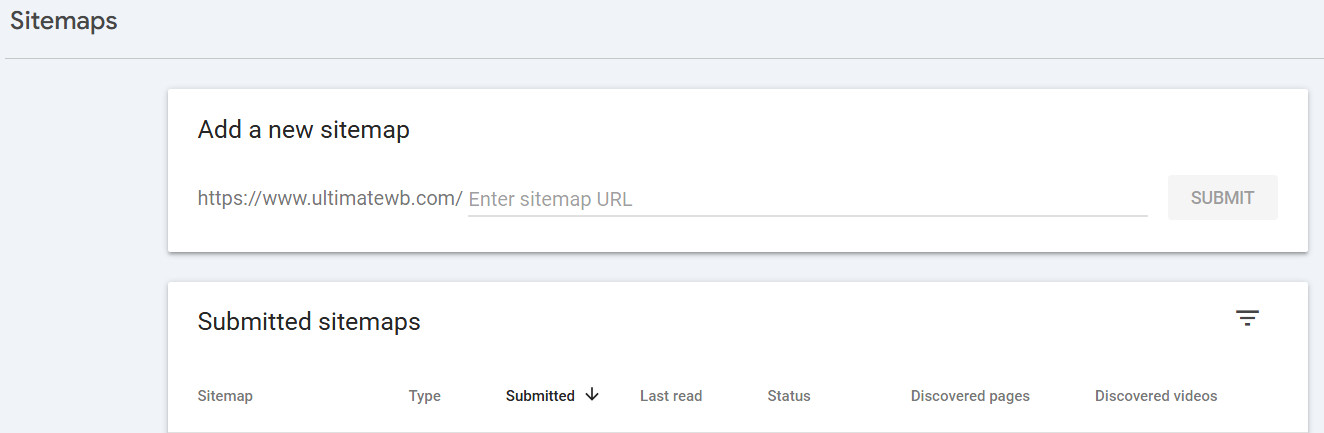
How to Submit a Sitemap to Google Search Console: A Step-by-Step Guide

In our previous post, we covered how many URLs you can submit using the Google Search Console (GSC) URL Inspection tool and why there’s a daily limit to keep in mind. While the URL Inspection tool is handy for checking and requesting indexing for individual URLs, submitting a sitemap is a powerful way to help Google discover, crawl, and eventually rank your website’s content at scale.
A sitemap acts like a roadmap for search engines, listing all the important pages
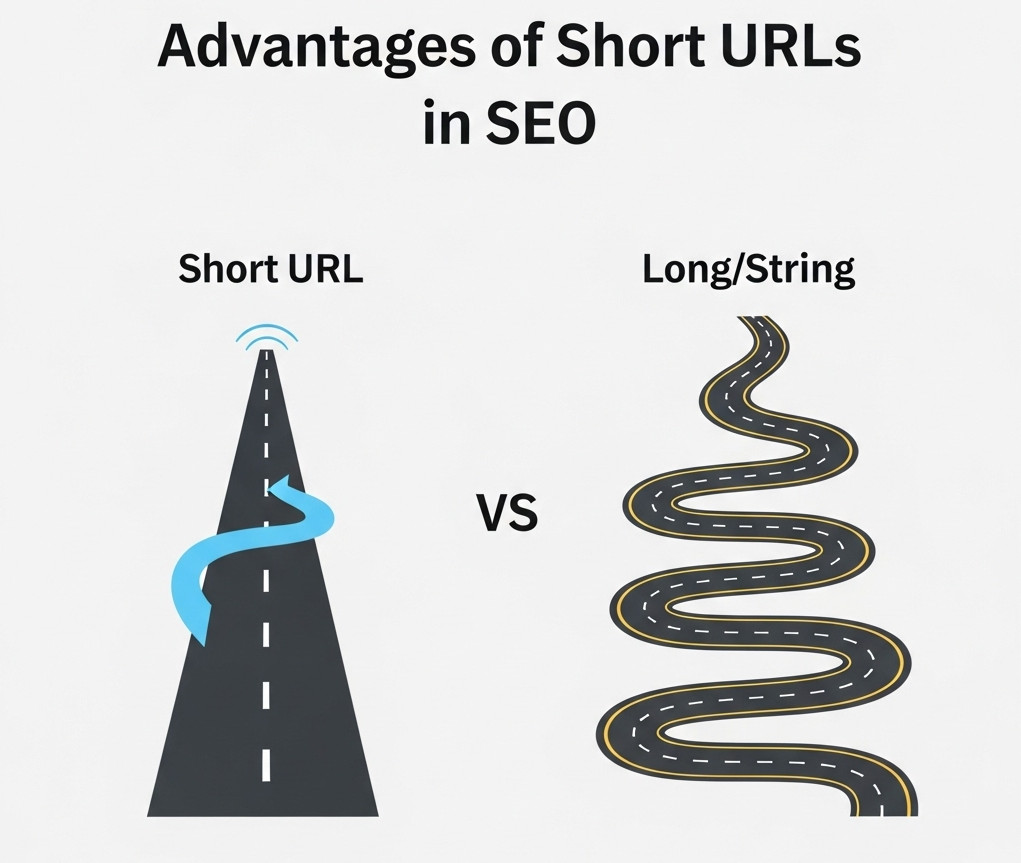
... Continue readingHow Page URL Length Matters for SEO: Why Shorter URLs Can Boost Your Rankings

"Does it matter how long my Page URL is?"
Short Answer: Yes.
When it comes to SEO, many website owners focus heavily on keywords, content quality, backlinks, and technical site health - and with good reason. But one often overlooked factor that can impact your search engine rankings and user experience is URL length.
What Is URL Length?
A URL (Uniform Resource Locator) is the web address of a page on your site - like:
https://example.com/seo-tips-for-small-business... Continue reading
Posted in Ask David!, Search Engine Optimization (SEO)
Tagged backlinks, clean urls, click-through rates, content quality, keyword stuffing, keywords, pretty urls, readability, relevant keywords, search engine optimizzation, search engine ranking, seo, short urls, ujrl length, user experience
Leave a comment
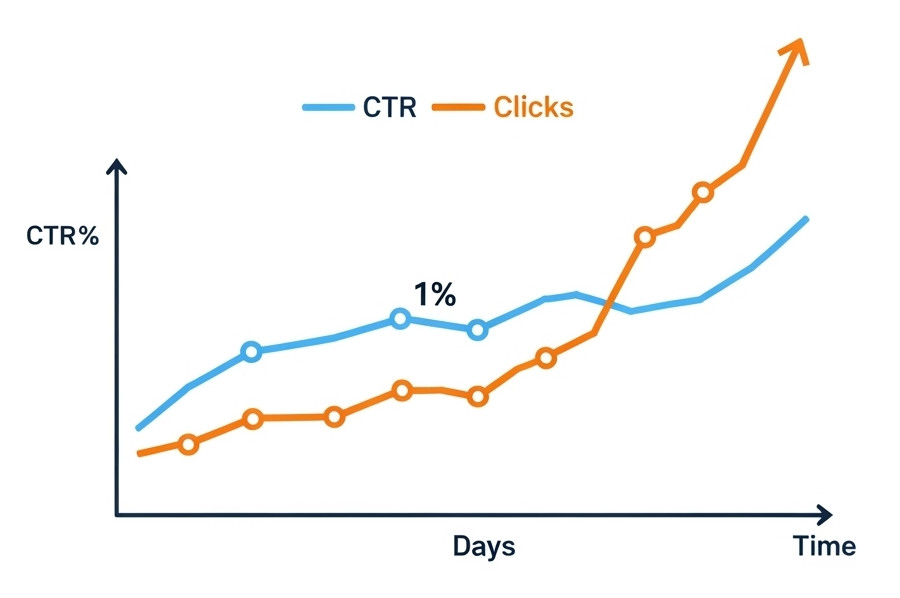
Is a CTR Below 1% a Bad Sign If Clicks Are Increasing Daily? Let’s Talk Nuances.

In a previous post, Decoding Click-Through Rates (CTR): What’s Good and Why It Matters for Ads & Website Content, we explored what makes a “good” CTR and why this metric plays such a crucial role in digital marketing performance. But once you understand the benchmarks, a more nuanced question often arises:
Is it a bad sign if your click-through rate is under 1%, even when your total number of clicks per day is strong - and steadily growing?
Let’s
... Continue reading
Posted in Ask David!, Search Engine Optimization (SEO), Website Traffic
Tagged click-through rate, clicks per day, conversion rate, cost per click, cpc, ctr, impressions, meta description, reach, search engine ranking, targeting, title tag, user engagement, user intent, visibility, website traffic
Leave a comment
How to Write a Great Blog Post That Ranks on Google?

Introduction: What Makes a Blog Post Great?
Writing a great blog post involves more than just good writing - it’s about creating valuable, well-structured, and SEO-friendly content that solves your readers’ problems. Whether you're blogging for business, content marketing, or personal branding, these tips will help you write blog posts that rank on Google and engage your audience.
1. Identify Your Target Audience
Understanding your audience is key to writing successful blog posts. Ask yourself:
- Who are you writing for?
Posted in Ask David!, Search Engine Optimization (SEO), Web Content
Tagged build traffic, call to action, click-through rates, click-worthy title, credibility, external links, fast loading times, featured snippet, google keyword planner, google search engine ranking, grammarly, headings, hemingway, internal links, keywords, mobile-friendly, rank on google, readability, responsive, responsive app, search engine optimization, search engine ranking, seo, seo topis, seo-friendly, target audience, target keywords, technical seo, ubersugest, user experience
Leave a comment
What is SEO? A Simple Guide for Website Owners

We’ve shared a lot of SEO tips and strategies - from writing high-quality content to building backlinks. But if you’re just starting out, let’s go back to basics. If you’ve heard people talk about “ranking on Google” or “getting more organic traffic,” they’re talking about SEO. But what exactly is it - and why should you care?
What Does SEO Mean?
SEO stands for Search Engine Optimization. It’s the process of improving your website so it can
... Continue reading
Posted in Ask David!, Search Engine Optimization (SEO)
Tagged backlinks, bounce rate, build backlinks, build trust, clicks, credibility, drive traffic, easy vaigation, fast loading times, google search engine ranking, high-quality content, keywords, mobile-friendly, organic traffic, paying for ads, search engine optimization, search engine ranking, seo, seo strategies, seo tips, technical optimization, technical seo, user experience, visibility
Leave a comment
Do You Need a Lot of Text on Your Website to Rank on the First Page of Google?

When it comes to ranking on the first page of Google, one common question many website owners and digital marketers ask is: “Do I need a lot of text on my website to rank well?” The answer isn’t a simple yes or no - it depends on a variety of factors, including the nature of your content, user intent, and SEO best practices.
Quality Over Quantity
Let’s start by debunking a myth: more text doesn’t automatically mean better rankings. Google’s
... Continue reading
Posted in Ask David!, Search Engine Optimization (SEO), Web Content
Tagged authority, backlinks, bounce rate, easy navigation, fast loading times, google algorithm, google search engine ranking, headings, helpful content, high-quality content, internal linking, internal links, long content, long-form content, meta descriptions, mobile friendly, mobile-friendly, multimedia content, on-page optimization, page experience, quality over quantity, relevance, responsive, responsive app, search engine optimization, search engine ranking, seo, SEO best practices, seo strategies, target keywords, user engagement, user intent, website speed
Leave a comment
Why Every Local Business Should Consider Long-Form Content – But Not Always

When people visit your website, they’re often looking for quick answers or ways to get in touch. That’s why having clear, easy-to-find information is always important.
But what about long-form content - those detailed, in-depth pages that explain your services or answer lots of questions? Is it always worth the effort?
The answer depends on your business and how customers find you.
When Long-Form Content Makes a Big Difference
Longer, well-structured content helps search engines understand your site better. It
... Continue reading
Posted in Business, Marketing, Search Engine Optimization (SEO), Web Content
Tagged boost ranking, boost seo, boost traffic, business model, call to action, keywords, local services, long form content, search engine optimization, search engine ranking, seo, target keywords, user-friendly
Leave a comment