









-
Recent Posts
- “My Partner Wants to Use WordPress Because 50% of the Web Uses It. Help!”
- Does EmDash Solve WordPress’s Problems, or Do You Need UltimateWB?
- How Not to Use AI: Stanford University Can Tell You
- Best Website Builder for SEO: WordPress vs. Wix vs. UltimateWB
- How to Make Sure Your Website Colors Have Enough Contrast for Accessibility
- Mobile-Friendly Website Checklist: 20 Things to Check
- Beehiiv Website Builder Review: The Problem Isn’t the Design – It’s the Lack of Control
- Elementor’s “Angie” AI Is More Than Bloat: Credits, Subscriptions, and a Growing Platform Problem
- How to Pass Google Business Profile Video Verification for Service Businesses
- The Great Deskilling: Why AI Dependence is Turning Developers into Prompt Babysitters
- The Three-Month Fuse: The Everest Forms Pro Attack and Why a Patched Plugin Can Still Put Websites at Risk
- Computer Screen Has Black Bars on the Sides: How to Fix It
- Could AI Make Humans Extinct Within the Next Decade?
- Is Weebly Getting Out of the Website-Builder Business?
- Are You “Leaking SEO” by Linking to Other Websites?
- Wix Harmony Is Now in Google Gemini. So Why Are Users Still Complaining?
- When AI Sounds Confident but Gets It Wrong: The Mount Shasta Rescue
- When AI Agents Start Working Together, Who Is Really in Control?
Categories
Tag Archives: search engine ranking
Should You Update an Existing Blog Post or Write a New One? Here’s the Smart SEO Strategy

"I have a blog post that i want to update with better content - should i update it, or create a new blog post, and add the link there?"
When you’re sitting on an old blog post and have better content to add, you’re faced with a key decision: update the original or create a new post. Both strategies can work - but choosing the right one depends on your goals, the quality of the original post, and the
... Continue reading
Posted in Ask David!, Search Engine Optimization (SEO), Web Content
Tagged 301 redirect, backlink profile, backlinks, fresh content, google dance, google ranking, keywords, link juice, ranking history, search engine optimization, search engine ranking, seo, seo value, social shares, target keywords, update conetnt, update vs new post, user experience
Leave a comment
How Much Content Does Google Need to Trust Your Site?

If you're building a website or growing a blog, one big question probably keeps coming up: How much content do I need before Google starts trusting my site?
You’re not alone. Many site owners wonder if there's a magic number of blog posts or pages that unlocks search engine visibility. The truth is - Google doesn't rank websites based solely on how many posts you have. But content volume does play an important role when it comes to building trust
... Continue reading
Posted in Ask David!, Search Engine Optimization (SEO), Web Content
Tagged authority, backlinks, engagement, expert, fast loading times, fresh content, google algorithm, google ranking, headings, helpful content, high-quality content, internal linking, internal links, keyword optimization, meta tags, mobile-friendly, organic traffic, relevant keywords, responsive, search engine optimization, search engine ranking, seo, target audience, target keywords, topical authority, trust, update content, user engagement, visibility
Leave a comment
Should You Buy High DA Backlinks? The Truth Behind Backlinks and What Really Moves the SEO Needle

If you’ve been exploring ways to boost your SEO performance - especially for a localized service business - you might have come across the idea of buying high DA (Domain Authority) backlinks. Maybe someone offered you a package deal. Maybe a tool showed you your DA score and you’re feeling pressured to raise it. And maybe, just maybe, you’re wondering: Is this worth it, or is it just SEO snake oil?
Here’s the unfiltered, SEO-savvy breakdown - because if you're
... Continue reading
Posted in Ask David!, Search Engine Optimization (SEO)
Tagged anti-link spam, backlinks, boost traffic, buy backlinks, chamber of commerce, community organization, comparison articles, da, domain authority, drive traffic, expertise, faqs, feature pieces, geographic relevance, google, Google's algorithm, high-quality content, internal linking, internal links, interviews, link farms, local authority, local blogs, local business directories, local partners, local resources, local seo, long-tail keywords, news outlets, organic link, relevant authority, search engine optimization, search engine ranking, seo, sponsorships, target keywords, topical relevance, trust, useful content, vanity metric
Leave a comment
Can Technical SEO Issues Trigger HCU Penalties? Here’s What You Should Know

When Google rolls out a major algorithm update like the Helpful Content Update (HCU), many websites see fluctuations in their rankings. While HCU is mostly designed to reward content that is written for humans, not for search engines, some technical SEO issues can inadvertently make your site look less helpful to users - and that could get you caught in the crossfire.
After analyzing several SEO case studies and forums, and from personal experience fixing penalized sites,
... Continue reading
Posted in Ask David!, Search Engine Optimization (SEO)
Tagged .htaccess, 301 redirect, 404 errors, broken pages, core web vitals, crawl, crawl errors, crawl traps, crawlability, defer js, duplicate content, fast loading times, free ssl, hcu, hcu penalties, helpful content update, high-quality content, htaccess, htaccess redirects, internal links, javascript, meta robots, mobile-friendly test, noindex, outbound links, redirect loops, rich results test, robots.txt, screaming frog, search engine optimization, search engine ranking, seo, seo issues, speed, ssl, technical seo, thin content, trust, user experience, webp, webp converter
Leave a comment
Why You Should Use “And” Instead of “&” for Better SEO and Voice Search

You might not think twice about using “and” vs. “&” in your website or blog content, but that small choice can impact your search rankings and voice search compatibility.
How "And" Helps with SEO
Google’s job isn’t just to match keywords - it’s to understand the meaning behind words and phrases. Here’s why “and” works better:
1. It Matches How People Search
Search engines are designed to understand how real people talk and search. When people type something like “best
... Continue reading
Posted in Search Engine Optimization (SEO)
Tagged alexa, and vs &, google assistant, high-quality content, intuitive, long-tail keywords, natural language, natural phrasing, search engine optimization, search engine ranking, search intent, seo, seo tips, seo-friendly, siri, user experience, user-friendly, voice search, voice search optimization
Leave a comment
Spotting the Robot in the Blog: How to Tell if AI Wrote It (and Why Google Cares If You Didn’t Fix It)

Ever read a blog post that feels… off? The grammar’s flawless, the formatting’s clean - but the content? It’s oddly empty. Like a perfectly staged house that still doesn’t feel lived in. That’s your first clue: it might be AI-generated.
Now, AI-written content isn’t automatically bad. Google doesn’t penalize you just for using AI tools. But here’s the catch: if your content doesn’t genuinely help users, Google will take notice - and your rankings could suffer.
That’s why it’s important
... Continue reading
Posted in Search Engine Optimization (SEO), Web Content
Tagged ai and seo, AI content detection, ai writer, AI-written blog posts, avoid Google penalties, engaging content, google algorithm, google penalties, Google’s Helpful Content System, search engine algorithm, search engine ranking, seo, seo tips, spot AI content, trustworthiness, user experience, value, website value
Leave a comment
Is Your Website ADA Compliant? What You Need to Know About Accessibility

Your website is the face of your brand online, but have you thought about whether everyone can use it? Making your website ADA compliant means ensuring it’s accessible to people with disabilities - and it’s more important now than ever before.
What Is ADA Compliance?
The Americans with Disabilities
... Continue readingSEO Best Practices in 2026: What Has Changed and What Still Matters

Search Engine Optimization (SEO) has changed considerably over the years. Search engines have become much better at understanding language, context, and user intent, while AI is changing how people search and how search results are presented.
But that doesn't mean the fundamentals of SEO have disappeared.
A fast, accessible website with useful, original content, clear organization, and a good user experience is still a strong foundation for search visibility. What has changed is how you approach those fundamentals and how
... Continue reading
Posted in Search Engine Optimization (SEO)
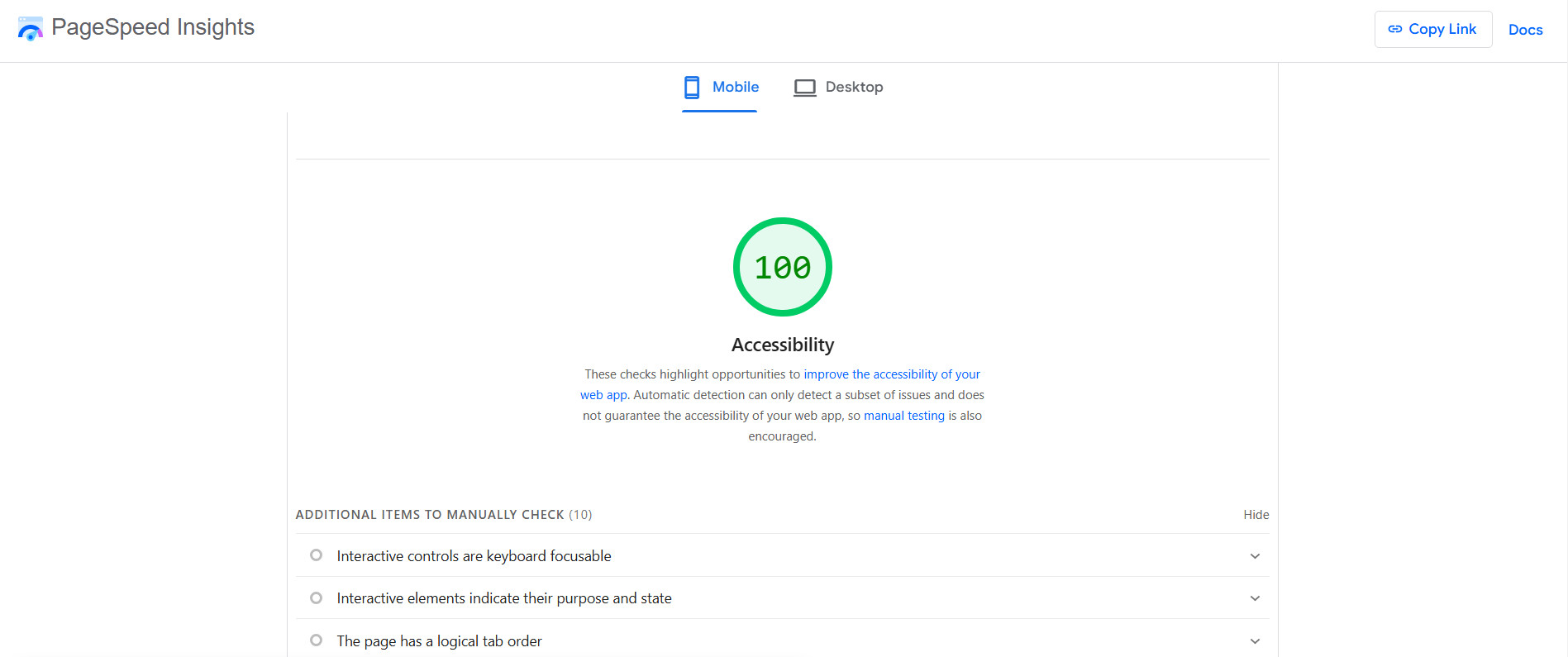
Tagged accessibility, ai-driven algorithms, ai-driven seo, authority, average session duration, backlinks, bert, bounce rate, build trust, click-through rates, closed captions, context, core web vitals, ctr, domain authority, EAT, eat algorithm, engagement metrics, expertise, fast-loading times, google my business, google rankbrain, high-quality content, hyper-local targeting, hyper-localization, interactivity, loading speed, local businesses, local pack, local seo, long-tail keywords, mobile-first indexing, natural language process, nlp, page speed, page views per session, pagespeed insgihts, responsive, responsive app, rich media snippets, rich snippets, schema markup, search engine algorithm, search engine optimization, search engine ranking, search intent, seo, seo tips, serps, structured data, tiktok, trustworthiness, user engagement signals, user experience, user reviews, ux, video content, video search engine optimization, visibility, visual content, visual stability, voice queries, voice search, voice search results, vseo, youtube
Leave a comment
What Your Website Visitors Are Secretly Telling You (Through Their Clicks & Bounces)

You’ve spent hours tweaking your website design, crafting the perfect homepage copy, and designing a style you love. But here’s the real question: do your visitors love it too?
You don’t have to guess. In fact, your website visitors are constantly giving you valuable feedback through their actions (or lack of them). From bounce rates to click paths, scroll depth to session duration - every interaction is a clue about what you're doing right... or very wrong.
Let’s decode the
... Continue reading
Posted in Search Engine Optimization (SEO), Website Design, Website Traffic
Tagged bloat, bounce rate, conversions, credibility, design, dwell time, engagement, fast loading times, fresh content, headlines, high-quality content, internal linking, layout, mobile friendly, navigation, ongoing value, page depth, rage clicking, responsive, scroll depth, search engine optimization, search engine ranking, seo, session duration, slow load times, usability, user signals
Leave a comment
What are “thin pages,” and how can they hurt your On-Page SEO?

"Thin pages" are web pages that provide little to no value to users. They typically contain very little original content, lack depth, and don't adequately address the user's search intent. These pages can significantly harm your on-page SEO.
Here's a breakdown of what thin pages are and how they can negatively impact your website's search engine rankings:
Characteristics of Thin Pages:
- Low Word Count: They contain very little text, often just a few sentences or paragraphs.
- Duplicate or Scraped
Posted in Ask David!, Search Engine Optimization (SEO)
Tagged affiliate links, affiliate pages, bounce rate, content audits, crawl budget, doorway pages, duplicate content, high-quality content, internal linking, keyword stuffing, keywords, lack of value, low content quality, low word count, on-page seo, organic traffic, original content, scraped content, search engine optimization, search engine penalties, search engine ranking, seo, thin pages, user experience, user intent, website authority
Leave a comment