










-
Recent Posts
- “My Partner Wants to Use WordPress Because 50% of the Web Uses It. Help!”
- Does EmDash Solve WordPress’s Problems, or Do You Need UltimateWB?
- How Not to Use AI: Stanford University Can Tell You
- Best Website Builder for SEO: WordPress vs. Wix vs. UltimateWB
- How to Make Sure Your Website Colors Have Enough Contrast for Accessibility
- Mobile-Friendly Website Checklist: 20 Things to Check
- Beehiiv Website Builder Review: The Problem Isn’t the Design – It’s the Lack of Control
- Elementor’s “Angie” AI Is More Than Bloat: Credits, Subscriptions, and a Growing Platform Problem
- How to Pass Google Business Profile Video Verification for Service Businesses
- The Great Deskilling: Why AI Dependence is Turning Developers into Prompt Babysitters
- The Three-Month Fuse: The Everest Forms Pro Attack and Why a Patched Plugin Can Still Put Websites at Risk
- Computer Screen Has Black Bars on the Sides: How to Fix It
- Could AI Make Humans Extinct Within the Next Decade?
- Is Weebly Getting Out of the Website-Builder Business?
- Are You “Leaking SEO” by Linking to Other Websites?
- Wix Harmony Is Now in Google Gemini. So Why Are Users Still Complaining?
- When AI Sounds Confident but Gets It Wrong: The Mount Shasta Rescue
- When AI Agents Start Working Together, Who Is Really in Control?
Categories
Tag Archives: sitemap generator
Subdomain vs Subfolder: What’s Better for SEO and Your Website Setup?

Deciding between subfolders and subdomains for your website structure
When expanding your website, you might face a classic web architecture question:
Should I create a subdomain (e.g., blog.example.com) or a subfolder (e.g., example.com/blog)?
In the past, many SEO experts recommended subfolders because they were thought to inherit more SEO authority from the main domain. However, Google has officially stated that it does not inherently favor subdomains or subfolders - both can perform equally well for SEO if implemented properly. The
... Continue reading
Posted in Ask David!, Search Engine Optimization (SEO)
Tagged analytics, architecture, authority, backlink profile, backlinks, boost seo, branding, domain authority, drive traffic, duplicate content, faster indexing, internal linking, internal links, organic traffic, plugin vulnerabilities, regional content, search engine optimization, security risks, seo, seo authority, sitemap, sitemap generator, subdomain, subdomain vs subfolder, subfolder, targeting, user experience, website setup, website structure
Leave a comment
Do You Need a Blog to Rank High on Search Engines?

When launching a new website, ranking high on Google is a top priority for driving organic traffic and visibility. A common question that arises is whether blogging is necessary for SEO success or if other strategies can achieve high rankings. While blogging is a powerful tool, it's not the only way to rank well on search engines. Let's explore how blogging helps and alternative strategies you can use.
How Blogging Helps with SEO
Blogging can be highly beneficial for improving
... Continue reading
Posted in Ask David!, Search Engine Optimization (SEO)
Tagged authority, backlinks, blog seo, domain authority, fast loading times, fresh content, google search engine ranking, high-quality content, https, internal linking, keyword-rich, long-tail keywords, meta descriptions, meta title, mobile friendly, organic traffic, podcasts, responsive, responsive app, reviews, schema markup, search engine optimization, secure, seo, seo strategies, sitemap, sitemap generator, social proof, structured data, target keywords, technical seo, user-generated content, youtube seo
Leave a comment
How Can Businesses Dominate Search Engine Rankings and Outsmart SEO Competitors?

A Strategic SEO Guide
Ever wondered why some websites always seem to be at the top of Google search results? It's not magic, it's a well-crafted SEO strategy. In this post, we'll dive into the tactics you can use to analyze your SEO performance, outsmart your competitors, and climb to the top of search engine result pages (SERPs).
Understanding the SEO Landscape
Before diving into the strategies, it's crucial to understand the fundamental principles of SEO. This includes:
... Continue reading
Posted in Ask David!, Search Engine Optimization (SEO)
Tagged ahrefs, backlink profile, backlinks, bloat, buzzsumo, content strategy, domain authority, fast loading times, google analytics, high-quality content, keyword research, mobile friendly, moz pro, off-page seo, on0page seo, organic traffic, search engine optimization, search engine result pages, semrush, seo, seo analysis, seo competitor analysis, seo competitors, serps, similarweb, sitemap, sitemap generator, spyfu, user-friendly, web traffic
Leave a comment
How can I start SEO on my own website?

That's a good question and an important one - marketing is key to any business, and for websites a big part of it is SEO! Here is a guide we have put together...
Starting Your SEO Journey: A Beginner's Guide
SEO, or Search Engine Optimization, is the practice of improving a website's visibility and ranking in search engine results pages (SERPs) like Google. Here's a basic roadmap to get you started:
1. Keyword Research:
- Identify relevant keywords:
Posted in Ask David!, Search Engine Optimization (SEO)
Tagged alt tags, alt text, backlinks, bloat, clean code, code bloat, fast loading times, keyword research, local seo, long-tail keywords, mobile-friendly, off-page seo, on-page seo, optimize images, organic traffic, responsive, responsive app, search engine optimization, search engine optimization tips, search engine results pages, seo, serps, sitemap, sitemap generator, social media, technical seo, website traffic, xml, xml sitemap
Leave a comment
Best Practices for Improving Search Engine Visibility

Here are some specific best practices you can incorporate into your SEO strategy:
On-Page Optimization
- Keyword Placement: Strategically place your target keywords in your page title, meta description, headings, and body content. Avoid keyword stuffing.
- Content Quality: Create high-quality, informative, and engaging content that meets the search intent of your target audience.
- Page Structure: Use a clear and logical structure with headings and subheadings to improve readability and search engine understanding.
- Image Optimization: Use descriptive alt text for images, compress
Posted in Search Engine Optimization (SEO)
Tagged alt tags, baclinks, clean urls, compress images, fast loading times, headings, high-quality content, image optimization, local seo, mobile friendly, off-page seo, on-page optimization, on-page seo, page speed, page structure, pretty urls, sitemap, sitemap generator, social media, subheadings, target keywords, technical seo, url structure, xml, xml sitemap
Leave a comment
How to Design Your Own Website: A Step-by-Step Guide

You don't have to be a professional web designer or developer to design your own website. With the right website builder and a good plan, you can create the pages, layout, navigation, and overall look of your website yourself.
The key is to approach website design as a process. Before you start adding colors and images, figure out what pages you
... Continue reading
Posted in Website Design
Tagged branding, choose website builder, cms, colors, content is king, create your own website, design your own website, fonts, high-quality content, launch website, layout, navigation, responsive, search engine optimization, seo, site maintenance tool, sitemap, sitemap generator, styles manager, target audeince, test, third-party plugins, typography, update website, website images, website maintainance, website objective
Leave a comment
What Common SEO Mistakes Should Companies Avoid on Their WordPress Sites?

When it comes to building and managing a website, WordPress is a popular choice for many companies. However, it’s essential to acknowledge that there are alternatives like UltimateWB, which offers faster-loading websites and better optimization out of the box. If you’re sticking with WordPress, it’s crucial to avoid common SEO mistakes to ensure your site ranks well on search engines. Here are some key SEO pitfalls and how to avoid them.
1. Ignoring Site Speed
One of the significant drawbacks
... Continue reading
Posted in Compare Website Builders, Search Engine Optimization (SEO)
Tagged bloat, clean urls, fast loading times, google analytics, Google Search Console, internal linking, keywords, meta descriptions, mobile-friendly, organic traffic, performance, responsive, responsive app, responsive check tool, search engine optimization, search engine optimization tips, search engine ranking, search engine results pages, seo, seo-friendly urls, seo-optimized content, serps, sitemap, sitemap generator, speed, themes, third-party plugin, title tags, website speed, xml
Leave a comment
How to Create a Business Website: A Beginner’s Guide to Standing Out

"Ask David" question: "How can I create a website for my business that actually stands out and brings in customers? Can you share some guides to help with the website building process."
When you hear about a new business, one of your first instincts is probably to look up their website. It is safe to say that practically every business needs one—and because most people do that search on a smartphone, that site has to load fast and look
... Continue reading
Posted in Ask David!, Business
Tagged audience, bounce rates, brand authority, branding, business growth, business website, call to action, capture leads, check domain name availability, choose website builder, compare website builders, cta, fast loading times, goals, google analytics, informative, mailers, mailing list, mailing list app, meta description, mobile-friendly, search engine rankings, security, seo, seo tool, sitemap, sitemap generator, speed, ssl, target audience, ultimatewb cloud, user experience, user-friendly, ux, web design package, web design trends, web hosting
Leave a comment
The Powerful Website Builder for Beginners and Coders

"What is the most powerful website builder?"
The one that makes you feel like you know what you are doing!
When choosing a website builder, one question always comes up:
“Will this platform actually work for my skill level?”
Most builders fall into one of two categories:
- Beginner-friendly but restrictive
- Flexible but requires coding knowledge
UltimateWB breaks this mold completely.
It’s powerful because it adapts to you
Posted in Compare Website Builders
Tagged all-in-one website builder, beginner friendly, built-in features, clean code, code-friendly CMS, compatibility, contact form, css, custom code, custom design, custominzable urls, customizable, expert flexible, fast loading times, fast website, fast-loading times, flexible website builder, live chat, meta tags, mobile-friendly, most powerful website builder, no plugins, no‑code website builder, organic growth, organic traffic, performance, plugins, responsive, responsive app, responsive web builder, scalable website builder, search engine optimization, self-hosted website builder, seo, seo tool, sitemap, sitemap generator, support, website builder for beginners, website builder for coders, website builder for developers
Leave a comment
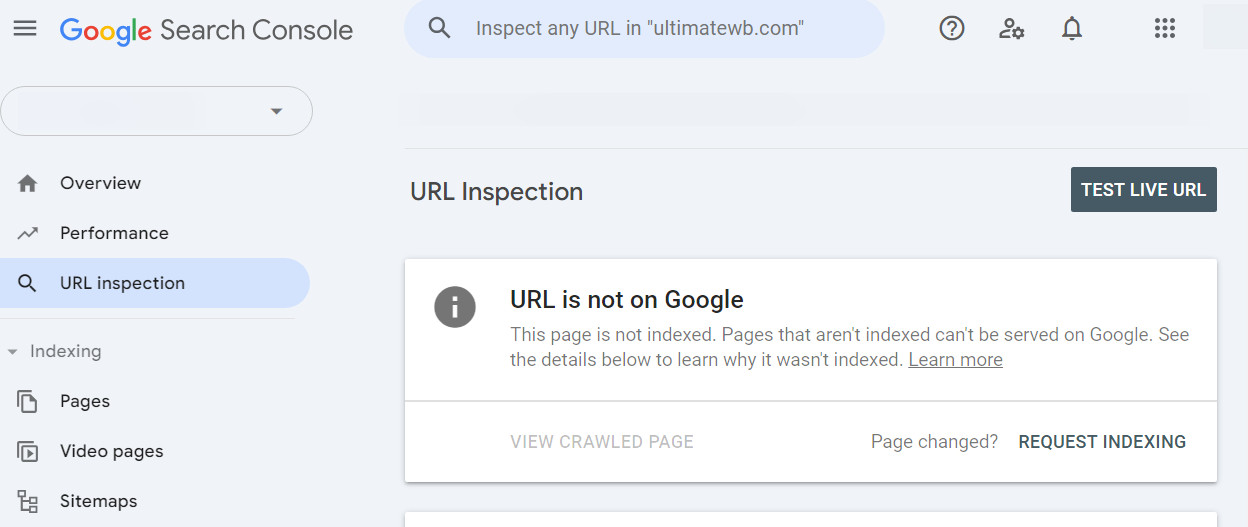
How long does it take Google to index a page after you request indexing the page on Google Search Console?

Google doesn't guarantee a specific timeframe for indexing a page after you request it through Google Search Console. There are several factors at play, but here's a general idea:
- Initial Crawl: It can take anywhere from a few days to a week for Google to even discover and crawl your submitted URL.
- Indexing Decision: After crawling, Google analyzes the content and may not index it for various reasons (duplicate content, low quality, etc.).
- Website Health: If your website is
Posted in Ask David!, Search Engine Optimization (SEO)
Tagged backlinks, crawl, Google Search Console, high-quality content, increased visibility, index coverage report, indexing, internal linking, mobile-friendly, repsonsive, responsive app, sitemap, sitemap generator, social media, social signals, url inspection tool
Leave a comment