






-
Recent Posts
- “My Partner Wants to Use WordPress Because 50% of the Web Uses It. Help!”
- Does EmDash Solve WordPress’s Problems, or Do You Need UltimateWB?
- How Not to Use AI: Stanford University Can Tell You
- Best Website Builder for SEO: WordPress vs. Wix vs. UltimateWB
- How to Make Sure Your Website Colors Have Enough Contrast for Accessibility
- Mobile-Friendly Website Checklist: 20 Things to Check
- Beehiiv Website Builder Review: The Problem Isn’t the Design – It’s the Lack of Control
- Elementor’s “Angie” AI Is More Than Bloat: Credits, Subscriptions, and a Growing Platform Problem
- How to Pass Google Business Profile Video Verification for Service Businesses
- The Great Deskilling: Why AI Dependence is Turning Developers into Prompt Babysitters
- The Three-Month Fuse: The Everest Forms Pro Attack and Why a Patched Plugin Can Still Put Websites at Risk
- Computer Screen Has Black Bars on the Sides: How to Fix It
- Could AI Make Humans Extinct Within the Next Decade?
- Is Weebly Getting Out of the Website-Builder Business?
- Are You “Leaking SEO” by Linking to Other Websites?
- Wix Harmony Is Now in Google Gemini. So Why Are Users Still Complaining?
- When AI Sounds Confident but Gets It Wrong: The Mount Shasta Rescue
- When AI Agents Start Working Together, Who Is Really in Control?
Categories
Tag Archives: user experience
How to Increase Website Domain Authority Fast?

Short Answer: Focus on technical SEO (speed, mobile-friendliness, indexing), publish high-quality content that earns backlinks, build relationships for guest posting and PR, fix bad links, and aggressively promote your content. Avoid spammy tactics - DA rises when you build real value and visibility.
Domain Authority (DA) is a comparative metric developed by Moz that predicts how likely a website is to rank on search engine result pages (SERPs). While it is a third-party score and not an official Google
... Continue reading
Posted in Ask David!, Search Engine Optimization (SEO)
Tagged ahrefs, ahrefs site audit, alsoasked, answerthepublic, authority, backlinks, boost visibility, bounce rates, buy backlinks, call to action, clean code, domain authority, easy navigation, fast loading times, google disavow links tool, Google Search Console, Google Trends, HARO, help a b2b writer, help a reporter out, high-quality content, indexing, internal links, long-tail keywords, mobile-friendly, newsletters, organic traffic, ranking factor, responsive, responsive app, screaming frog, search engine optimization, search engine result pages, seo, seo tips, serps, sitemap, sitemap generator, social media, target keywords, technical seo, user engagement, user experience
Leave a comment
What Makes a Simple Website Feel Trustworthy? (From Real User Experience, Not Theory)

When you’re visiting a website built by a solo creator or small team - not a big-name brand - you make a snap judgment: Can I trust this? That first impression often decides whether you stick around or bounce.
As someone who loves studying user behavior and indie websites, I’ve noticed a few key elements that consistently build trust, even on simple, self-made sites.
Here’s what makes me - and many others - stay.
1. Clear Purpose, Fast
If I
... Continue reading
Posted in Ask David!, Business, Website Design
Tagged brand personality, build trust, clarity, communicate clearly, contrast, fonts, indie web, personal website, personality, small website, solo creator, trust signals, user experience, ux design, web design tips, website credibility, website trust, white space
Leave a comment
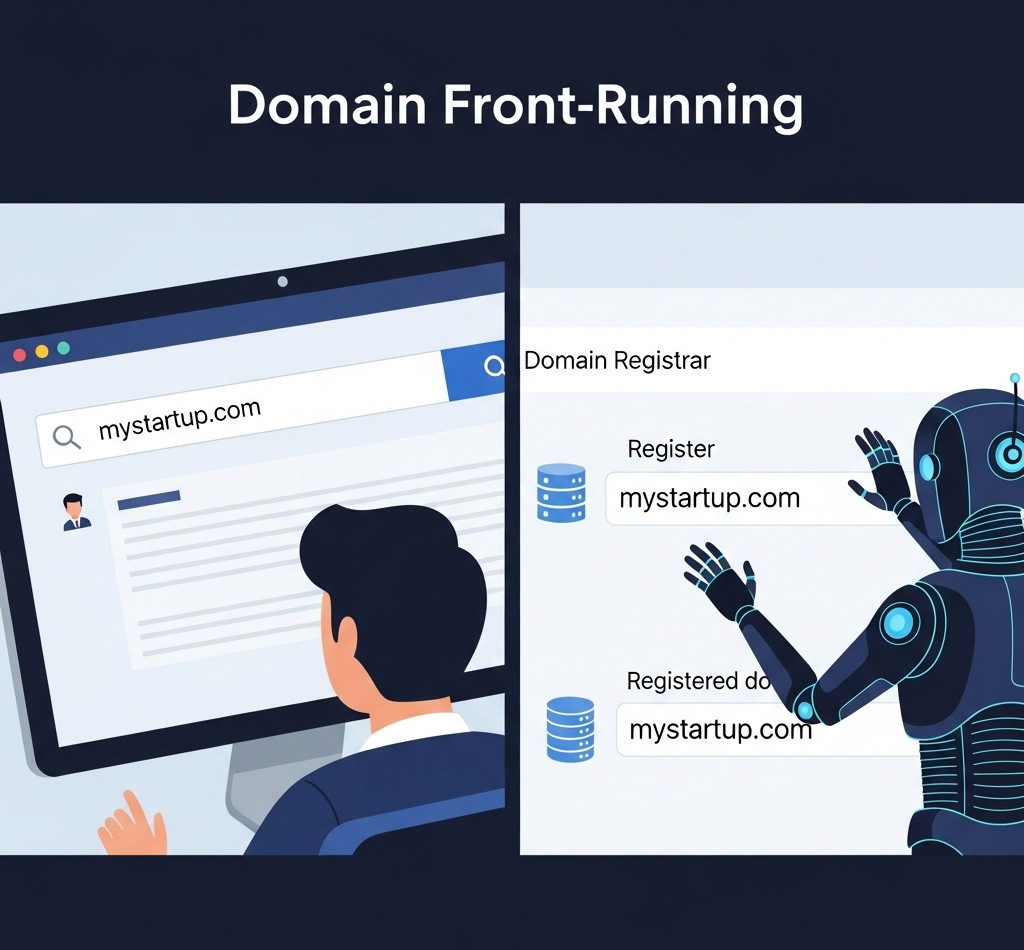
Is Domain Front-Running Real? And Which Companies Might Be Doing It?

If you’ve ever searched for a domain name, only to return a few hours or days later and find it mysteriously registered by someone else, you’re not alone. This frustrating phenomenon has led many to ask: Is domain front-running real? And are some registrars secretly registering domains based on our searches?
Let’s break it down.
The Truth About Domain Front-Running
Domain front-running is the practice of a registrar using search data to register or "reserve" domains that people are
... Continue reading
Posted in Ask David!, Domain Names
Tagged automated bots, bots, buy domain name, check domain name, check domain name availability, domain availability, domain backorder, domain front-running, domain monitoring, domain name, domain watchers, godaddy, icann, icann accreditation, industry practices, namecheap, reputation, user experience
Leave a comment
Does Faster Website Speed Increase Googlebot Crawl Frequency?

Boosting your website’s speed can significantly enhance how often and how efficiently Google crawls your site. This ties directly into what Google refers to as your “crawl budget.”
What Is Crawl Budget?
Crawl budget is the number of pages Googlebot is willing and able to crawl on your site within a certain period. It’s determined by two key factors:
- Crawl Rate Limit: The maximum number of requests per second Googlebot will make without overwhelming your server.
- Crawl Demand:
Posted in Ask David!, Search Engine Optimization (SEO)
Tagged caching, clean code, crawl budget, crawl frequency, crawl rate limit, fast hosting, fast-loading times, faster indexing, fresh content, Googlebot, indexing, ranking factor, reliability, responsive, seo, server reliability, site optimization, site speed, ssd, technical seo, user experience, website performance, website speed
Leave a comment
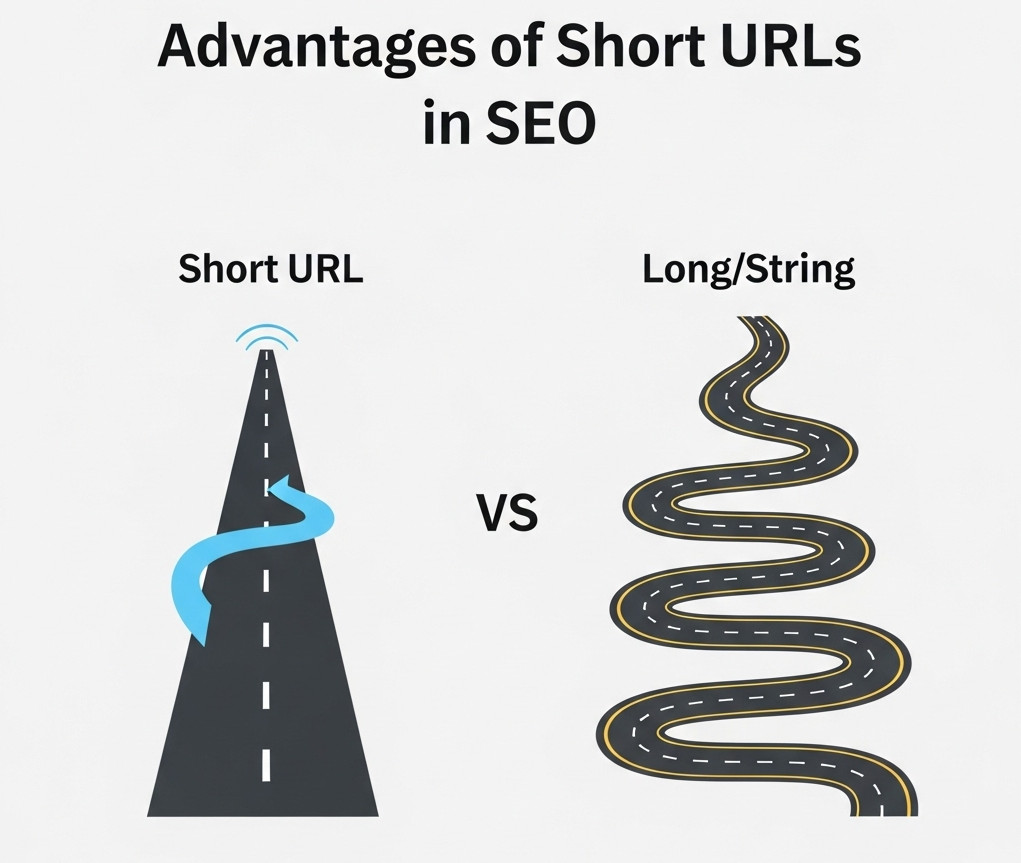
How Page URL Length Matters for SEO: Why Shorter URLs Can Boost Your Rankings

"Does it matter how long my Page URL is?"
Short Answer: Yes.
When it comes to SEO, many website owners focus heavily on keywords, content quality, backlinks, and technical site health - and with good reason. But one often overlooked factor that can impact your search engine rankings and user experience is URL length.
What Is URL Length?
A URL (Uniform Resource Locator) is the web address of a page on your site - like:
https://example.com/seo-tips-for-small-business... Continue reading
Posted in Ask David!, Search Engine Optimization (SEO)
Tagged backlinks, clean urls, click-through rates, content quality, keyword stuffing, keywords, pretty urls, readability, relevant keywords, search engine optimizzation, search engine ranking, seo, short urls, ujrl length, user experience
Leave a comment
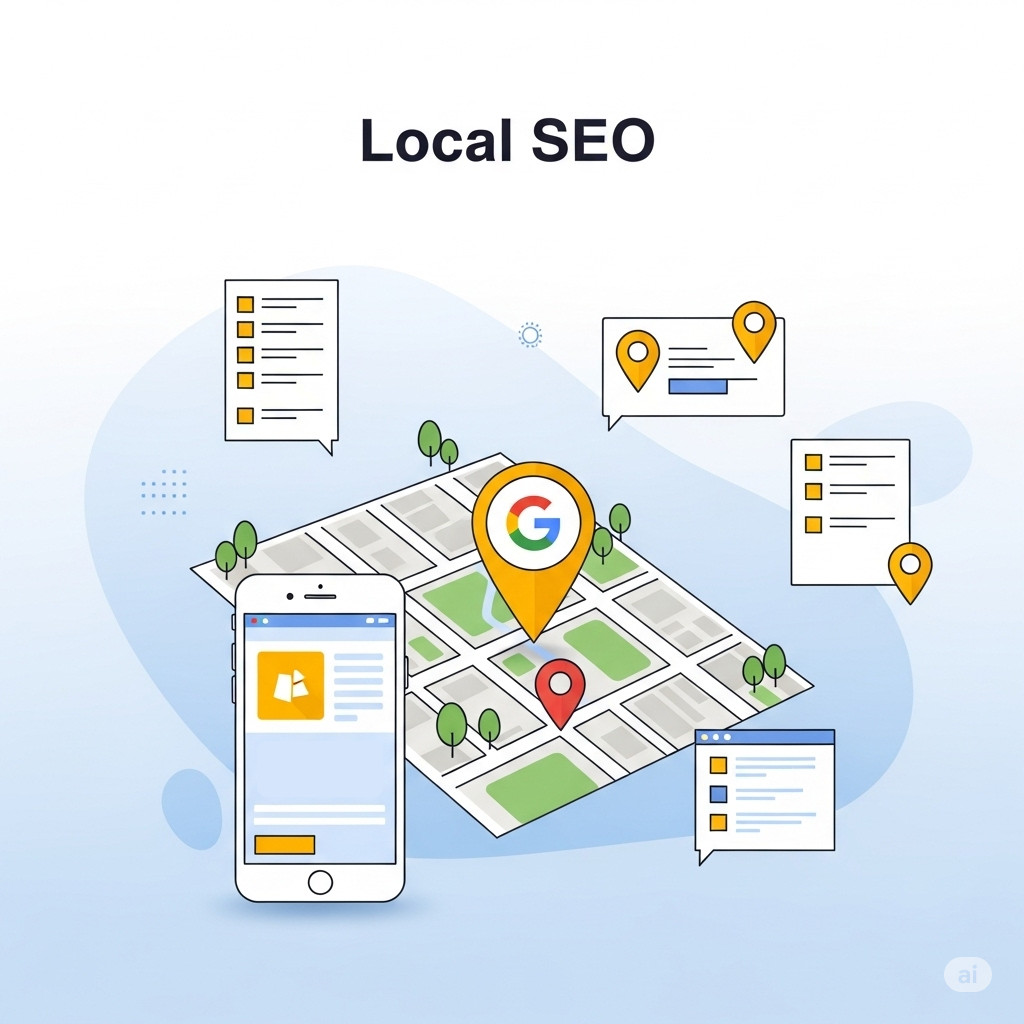
Local SEO Tips: How to Boost Your Business Visibility in Your Neighborhood

If you run a local business, ranking well in local search results can be a game-changer. Local SEO (Search Engine Optimization) helps your business show up when people nearby search for the products or services you offer. Whether you own a cafe, a law firm, a salon, or a home service company, optimizing your local SEO can drive more foot traffic and qualified leads to your business.
Here are some proven Local SEO tips to help you get noticed by
... Continue reading
Posted in Business, Marketing, Search Engine Optimization (SEO)
Tagged authority, backlinks, clean code, conversational keywords, fast-loading times, Google Business Profile, guest posts, heading, headings, keywords, local authority, local backlinks, local content marketing, local keywords, local marketing, local reviews, local search optimization, local seo, local SEO tips, meta description, mobile SEO, mobile-friendly, responsive, responsive app, schema.org, search engine optimization, seo, seo tips, structured data markup, target keywords, title tags, user experience, voice search
Leave a comment
How to Write a Great Blog Post That Ranks on Google?

Introduction: What Makes a Blog Post Great?
Writing a great blog post involves more than just good writing - it’s about creating valuable, well-structured, and SEO-friendly content that solves your readers’ problems. Whether you're blogging for business, content marketing, or personal branding, these tips will help you write blog posts that rank on Google and engage your audience.
1. Identify Your Target Audience
Understanding your audience is key to writing successful blog posts. Ask yourself:
- Who are you writing for?
Posted in Ask David!, Search Engine Optimization (SEO), Web Content
Tagged build traffic, call to action, click-through rates, click-worthy title, credibility, external links, fast loading times, featured snippet, google keyword planner, google search engine ranking, grammarly, headings, hemingway, internal links, keywords, mobile-friendly, rank on google, readability, responsive, responsive app, search engine optimization, search engine ranking, seo, seo topis, seo-friendly, target audience, target keywords, technical seo, ubersugest, user experience
Leave a comment
What is SEO? A Simple Guide for Website Owners

We’ve shared a lot of SEO tips and strategies - from writing high-quality content to building backlinks. But if you’re just starting out, let’s go back to basics. If you’ve heard people talk about “ranking on Google” or “getting more organic traffic,” they’re talking about SEO. But what exactly is it - and why should you care?
What Does SEO Mean?
SEO stands for Search Engine Optimization. It’s the process of improving your website so it can
... Continue reading
Posted in Ask David!, Search Engine Optimization (SEO)
Tagged backlinks, bounce rate, build backlinks, build trust, clicks, credibility, drive traffic, easy vaigation, fast loading times, google search engine ranking, high-quality content, keywords, mobile-friendly, organic traffic, paying for ads, search engine optimization, search engine ranking, seo, seo strategies, seo tips, technical optimization, technical seo, user experience, visibility
Leave a comment
From “Wow” to “Wait, What?”: Web Design Trends Already Fading (But Not Gone)

Web design trends evolve rapidly. What felt revolutionary last year can seem outdated today. While these trends weren’t bad - often they were brilliant - the internet moves fast, user expectations shift, and what once excited users can now add unnecessary bloat or fatigue.
Let’s take a look at some recent web design trends that are already fading and why you should approach them cautiously - or use them sparingly.
1. Full-Screen Auto-Playing Hero Video Backgrounds
Why it was popular:
... Continue reading
Posted in Ask David!, Website Design
Tagged accessibility, battery drain, bloat, boost engagement, brand identity, choppy scrolling, clear communication, clutter, core web vitals, emotional connection, fading trends, fast loading times, hero image, hero section, messaging, navigation, novelty, parallax, performance, performance issues, power consumption, scroll-triggered animations, search engine optimization, seo, storytelling, text-only hero section, usability, user expectations, user experience, video backgrounds, web design trends, website performance
Leave a comment
10 Expert Tips for Writing SEO-Friendly Blog Content
Want your blog to rank higher and attract more readers? These 10 expert tips will help you write SEO-friendly content that gets noticed by both search engines and your audience.
1. Start with Keyword Research
Use tools like Google Keyword Planner, Ahrefs, or Ubersuggest to find keywords your target audience is searching for. Focus on a primary keyword and related secondary keywords to guide your content.
Related: Think Twice Before Using Ahrefs’ New Web Analytics: Are You Giving Away
... Continue reading