






-
Recent Posts
- “My Partner Wants to Use WordPress Because 50% of the Web Uses It. Help!”
- Does EmDash Solve WordPress’s Problems, or Do You Need UltimateWB?
- How Not to Use AI: Stanford University Can Tell You
- Best Website Builder for SEO: WordPress vs. Wix vs. UltimateWB
- How to Make Sure Your Website Colors Have Enough Contrast for Accessibility
- Mobile-Friendly Website Checklist: 20 Things to Check
- Beehiiv Website Builder Review: The Problem Isn’t the Design – It’s the Lack of Control
- Elementor’s “Angie” AI Is More Than Bloat: Credits, Subscriptions, and a Growing Platform Problem
- How to Pass Google Business Profile Video Verification for Service Businesses
- The Great Deskilling: Why AI Dependence is Turning Developers into Prompt Babysitters
- The Three-Month Fuse: The Everest Forms Pro Attack and Why a Patched Plugin Can Still Put Websites at Risk
- Computer Screen Has Black Bars on the Sides: How to Fix It
- Could AI Make Humans Extinct Within the Next Decade?
- Is Weebly Getting Out of the Website-Builder Business?
- Are You “Leaking SEO” by Linking to Other Websites?
- Wix Harmony Is Now in Google Gemini. So Why Are Users Still Complaining?
- When AI Sounds Confident but Gets It Wrong: The Mount Shasta Rescue
- When AI Agents Start Working Together, Who Is Really in Control?
Categories
Tag Archives: hero image
Why Simple Websites Often Convert Better Than Fancy Websites

If you’ve ever noticed a plain-looking website (like Craigslist back in the day) outperforming a flashy, animation-heavy one, you’re not imagining things. This happens all the time across industries - from home services to e-commerce to SaaS.
The reason is simple:
People don’t visit websites to admire design. They visit to achieve a goal.
Find a product. Read a menu. Book a service. Get a quote. Buy something.
A “fancy” website can absolutely support that…
- but only if it
Posted in Website Design
Tagged animations, background videos, bloat, boost conversions, build trust, call-to-action, clean website layout, clear CTA, conversion optimization, conversions, credibility, cta, e-commerce, easy navigation, fast loading, fast loading times, fast website, fonts, hero image, high-converting websites, javascript, kiss, mobile-friendly, simple website design, sliders, spacing, storytelling, trust, trust signals, trustworthy, usability, user experience, ux, UX best practices, web design tips, website conversions, website speed
Leave a comment
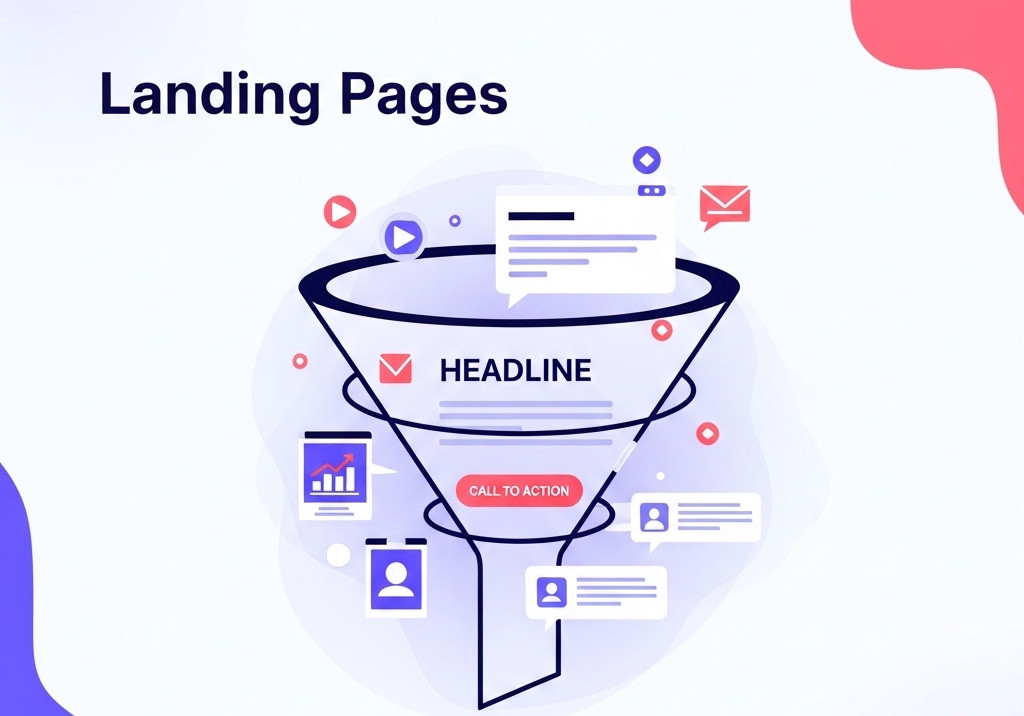
The Ultimate Guide to Structuring Your Landing Page (in the Right Order)

A well-structured landing page can make or break your conversion rates. Whether you’re promoting a product, service, or collecting email signups, the layout and content order on your page should guide your visitor seamlessly from arrival to action.
Here’s the ideal structure and content flow, section by section:
1. Above the Fold: The Hook
This is what visitors see without scrolling. You have seconds to grab attention.
Include:
- Headline: Clear, benefit-focused. State what and why.
From “Wow” to “Wait, What?”: Web Design Trends Already Fading (But Not Gone)

Web design trends evolve rapidly. What felt revolutionary last year can seem outdated today. While these trends weren’t bad - often they were brilliant - the internet moves fast, user expectations shift, and what once excited users can now add unnecessary bloat or fatigue.
Let’s take a look at some recent web design trends that are already fading and why you should approach them cautiously - or use them sparingly.
1. Full-Screen Auto-Playing Hero Video Backgrounds
Why it was popular:
... Continue reading
Posted in Ask David!, Website Design
Tagged accessibility, battery drain, bloat, boost engagement, brand identity, choppy scrolling, clear communication, clutter, core web vitals, emotional connection, fading trends, fast loading times, hero image, hero section, messaging, navigation, novelty, parallax, performance, performance issues, power consumption, scroll-triggered animations, search engine optimization, seo, storytelling, text-only hero section, usability, user expectations, user experience, video backgrounds, web design trends, website performance
Leave a comment
What should the dimensions of a website’s hero image be?

The dimensions of a hero image for a website depend on the design, layout, and how the image will be displayed, but here are some common guidelines:
Aspect Ratios
- 16:9 Aspect Ratio: A common choice for widescreen displays.
- 3:1 Aspect Ratio: Often used for banner-style hero images that span the width of the page.
- 4:3
Posted in Search Engine Optimization (SEO), Website Design
Tagged css, css media query, fast loading times, hero dimensions, hero image, jpeg-xl, largest contentful paint, lcp, media queries, pagespeed insights, preload images, responsive, responsive design, search engine optimization, search engine ranking, seo, webp, webp converter
Leave a comment
What is the best content structure for a web designer’s portfolio website?

There's no one-size-fits-all answer to this question, as the best content structure for a web designer's portfolio website will vary depending on your individual goals, experience, and target audience. However, there are some general best practices that you can follow to create a portfolio that is both visually appealing and informative.
Here are some key elements to consider:
1. Homepage:
- This is your first impression, so make it count! Use a strong hero image or video that showcases your best
What is a hero image?

A hero image, also known as a hero banner or hero header, is a large, attention-grabbing image or video that is prominently placed at the top of a website or web page. It is typically used to showcase a company's logo, tagline, or product offerings. Hero images are often used to create a strong first impression and to encourage visitors to explore the website further.
Here are some of the benefits of using a hero image:
- It can grab attention:
Posted in Ask David!, Website Design
Tagged call to action, hero banner, hero header, hero image, mobile friendly
Leave a comment
What should you include in your homepage on your website to be effective?

Here are some of the most important elements that you should include in your homepage to be effective:
- A clear and concise value proposition that explains what your website is about and what it offers. This should be the first thing that visitors see, and it should be easy to understand.
- A strong call to action that tells visitors what you want them to do, such as sign up for your email list, subscribe to your newsletter,
Posted in Ask David!, Website Design, Website Traffic
Tagged call to action, drive traffic, effective design, hero image, hero video, homepage
Leave a comment