


-
Recent Posts
- Is a Neo Sites “Free” Domain and Website Really Free? The 1-Year Subscription Catch Exposed
- The “Who’s Who in America” Invitation: Real Honor or Just a Sales Funnel?
- Beat the System: Avoid Paying Website Builder Transaction Fees
- The AI Scraping Free-for-All Is Over: Welcome to the Era of Licensing (2026)
- The $10 Billion “Echo”: Why Paying Experts to Train AI Might Be a Bridge to Nowhere
- Stop Renting Your Business: Why UltimateWB Beats the Bubble “Success Tax”
- AI Hype vs. Reality: Pulling Back the Curtain on the Digital Wizard
- Webflow’s Client Seats Complicate Ownership – How UltimateWB Gives Control Back
- No, AI Did Not Secretly Build Its Own Society
- Does Google still use PageRank to rate your website?
- Does “Test Live URL” help Google index your webpage faster?
- Using a URL Shortener and Passing the SEO Link Juice
- Is TikTok Censoring Anti-Trump Content? User Complaints Lead to Investigation
- From Sidewalk Robots to Real‑World Limits: The Promise and Pitfalls of AI Deliveries
- Will AI Really Replace Junior Frontend Developers?
- Meta Descriptions Too Short? What Bing’s Warning Really Means and How to Fix It
- How to Make Your FAQ Section More Engaging for Users
- Why You Should Remove Redundant Header Tags from Your Web Pages
- What Is the IndexNow Message in Bing Webmaster Tools?
- How to Automatically Share Your WordPress Blog Posts to Instagram
Categories
- Accessibility
- Advertising
- Affiliate Programs
- Announcements
- Apps Comparison
- Ask David!
- Business
- Compare Website Builders
- Computer Tips
- Domain Names
- E-commerce
- Emails
- Facebook Application
- General
- Graphic Design
- Integration Tutorials
- Mailing List Application
- Marketing
- Photos Management
- Search Engine Optimization (SEO)
- Social Media
- Social Networking
- Software Showcase
- Technology in the News
- Traffic Statistics
- Troubleshooting
- Web Content
- Web Hosting
- Website Design
- Website Security
- Website Traffic
- WordPress Customization
Meta
Is Domain Front-Running Real? And Which Companies Might Be Doing It?
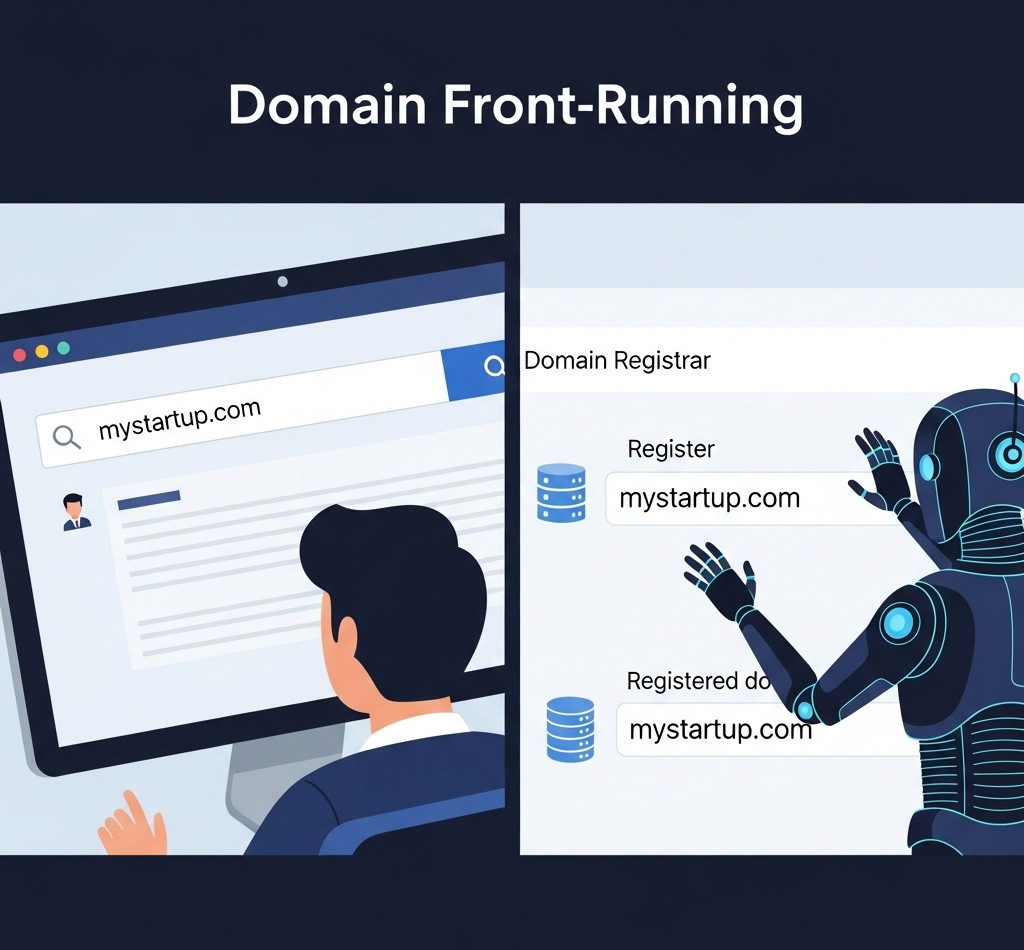
If you’ve ever searched for a domain name, only to return a few hours or days later and find it mysteriously registered by someone else, you’re not alone. This frustrating phenomenon has led many to ask: Is domain front-running real? And are some registrars secretly registering domains based on our searches?
Let’s break it down.
The Truth About Domain Front-Running
Domain front-running is the practice of a registrar using search data to register or "reserve" domains that people are
... Continue reading
Posted in Ask David!, Domain Names
Tagged automated bots, bots, buy domain name, check domain name, check domain name availability, domain availability, domain backorder, domain front-running, domain monitoring, domain name, domain watchers, godaddy, icann, icann accreditation, industry practices, namecheap, reputation, user experience
Leave a comment
Just Got Banned from Reddit or Quora? Why You Shouldn’t Rely on Them for Traffic

If you’ve just been banned from Reddit or Quora, you’re not alone - and it can feel like a punch in the gut. These platforms are often goldmines for driving traffic, engaging with a community, and growing your brand or blog. But here’s the thing: relying solely on third-party platforms like Reddit or Quora for traffic is a risky strategy.
In this post, we’ll explore why relying heavily on Reddit or Quora for website traffic can backfire, what happens
... Continue reading
Posted in Social Media
Tagged algorithm, algorithm changes, alternative traffic sources, avoid traffic bans, ban, banned from Quora, banned from Reddit, build traffic without Quora, build traffic without Reddit, discord, diversify traffic sources, drive traffic, email marketing, engagement, evergreen, exposure, facebook, facebook group, forum, grow website traffic, instagramgoogle, mailing list, mailing list app, niche audiences, own your traffic, Quora traffic risk, reddit, Reddit traffic risk, referrals, SEO traffic tips, social media, social media ban, sustainable website traffic, third-party platforms, traffic boosters, traffic foundations, traffic strategies, viral, visibility, website traffic
Leave a comment
Do Meta Descriptions Really Matter, or Can You Leave Them Blank?
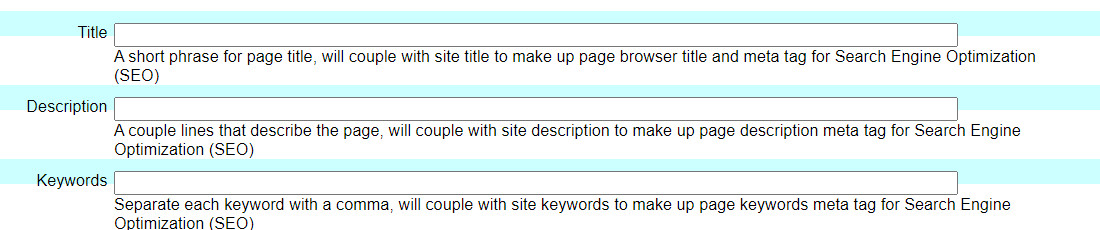
If you're building a website or optimizing your content for search engines, you've probably come across the term meta description. It's a short snippet of text that appears under your page title in search engine results. But how important is it really? Can you just skip it and let Google figure it out? You may be wondering, if meta descriptions are so important, why doesn't
... Continue reading
Posted in Search Engine Optimization (SEO)
Tagged click-through rates, content marketing, ctr, digital marketing, first impressions, Google rankings, messaging, meta descriptions, meta tags, on-page seo, ranking factor, search engine optimization, search snippets, seo, website optimization, website traffic
Leave a comment
Can Social Media Engagement Really Drive Website Traffic? (Yes, Here’s How)

If you’ve ever wondered whether likes, comments, and shares on social media actually do anything for your website traffic, the answer is a resounding yes. When used strategically, social media engagement can be a powerful driver of traffic to your site - whether you’re running a blog, an online store, or a full-scale business.
In this post, we’ll break down exactly how engagement works, why it matters, and how to make it work across platforms like Facebook, Instagram, X
... Continue reading
Posted in Ask David!, Social Media, Website Traffic
Tagged algorithm, boost visibility, build trust, call-to-action, content marketing, credibility, cta, drive traffic, facebook, Facebook marketing, google analytics, Instagram tips, linkedin, pinterest, referral traffic, social media engagement, social media strategy, social media tips, social proof, trust, twitter, website traffic, x
Leave a comment
Does Faster Website Speed Increase Googlebot Crawl Frequency?

Boosting your website’s speed can significantly enhance how often and how efficiently Google crawls your site. This ties directly into what Google refers to as your “crawl budget.”
What Is Crawl Budget?
Crawl budget is the number of pages Googlebot is willing and able to crawl on your site within a certain period. It’s determined by two key factors:
- Crawl Rate Limit: The maximum number of requests per second Googlebot will make without overwhelming your server.
- Crawl Demand:
Posted in Ask David!, Search Engine Optimization (SEO)
Tagged caching, clean code, crawl budget, crawl frequency, crawl rate limit, fast hosting, fast-loading times, faster indexing, fresh content, Googlebot, indexing, ranking factor, reliability, responsive, seo, server reliability, site optimization, site speed, ssd, technical seo, user experience, website performance, website speed
Leave a comment
How Page URL Length Matters for SEO: Why Shorter URLs Can Boost Your Rankings
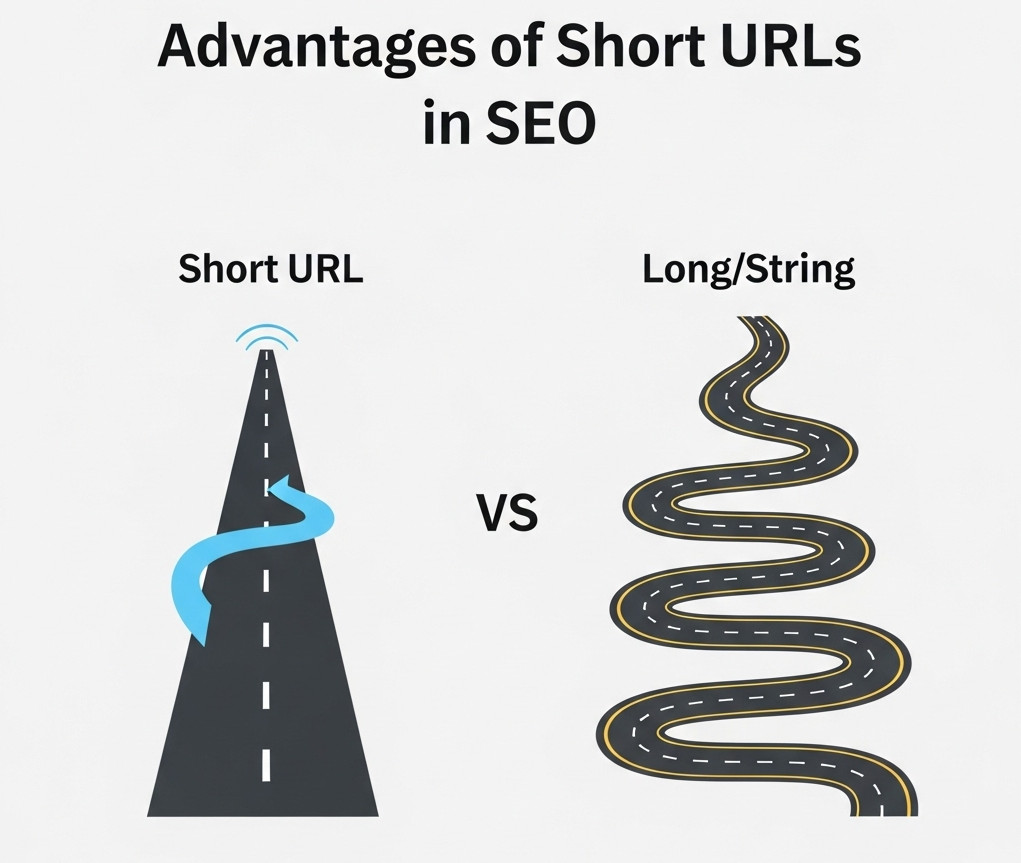
"Does it matter how long my Page URL is?"
Short Answer: Yes.
When it comes to SEO, many website owners focus heavily on keywords, content quality, backlinks, and technical site health - and with good reason. But one often overlooked factor that can impact your search engine rankings and user experience is URL length.
What Is URL Length?
A URL (Uniform Resource Locator) is the web address of a page on your site - like:
https://example.com/seo-tips-for-small-business... Continue reading
Posted in Ask David!, Search Engine Optimization (SEO)
Tagged backlinks, clean urls, click-through rates, content quality, keyword stuffing, keywords, pretty urls, readability, relevant keywords, search engine optimizzation, search engine ranking, seo, short urls, ujrl length, user experience
Leave a comment
When Should I Start SEO For My New Website?

If you’re launching a new website, chances are you’ve already heard about SEO - Search Engine Optimization. You know it’s important. You know it helps people find you on Google. But when exactly should you start doing SEO?
Short answer: Yesterday...or weeks ago...
Long answer: The moment you start planning your website - not after it’s built.
Let’s dig into why starting SEO early matters, and how to do it right from day one.
Why Early SEO Matters
... Continue reading
Posted in Ask David!, Search Engine Optimization (SEO)
Tagged ahrefs, backlinks, beginner SEO guide, boost conversions, boost traffic, clean url, crawl, early SEO tips, easy navigation, fast-loading times, fresh content, generate leads, google analytics, Google Business Profile, google keyword planner, Google Search Console, google search engine ranking, headers, headings, high-quality content, index, keyword research, keywords, local seo, meta description, mobile-friendly, search engine optimization, seo, SEO checklist, SEO for new website, SEO website launch, site structure, sitemap, sitemap generator, target keywords, title tag, trust, ubersuggest, visibility, webp, webp converter, website SEO strategy, website speed, when to start SEO
Leave a comment
Why Giving Google Ads Too Much Freedom Can Burn Your Budget Fast
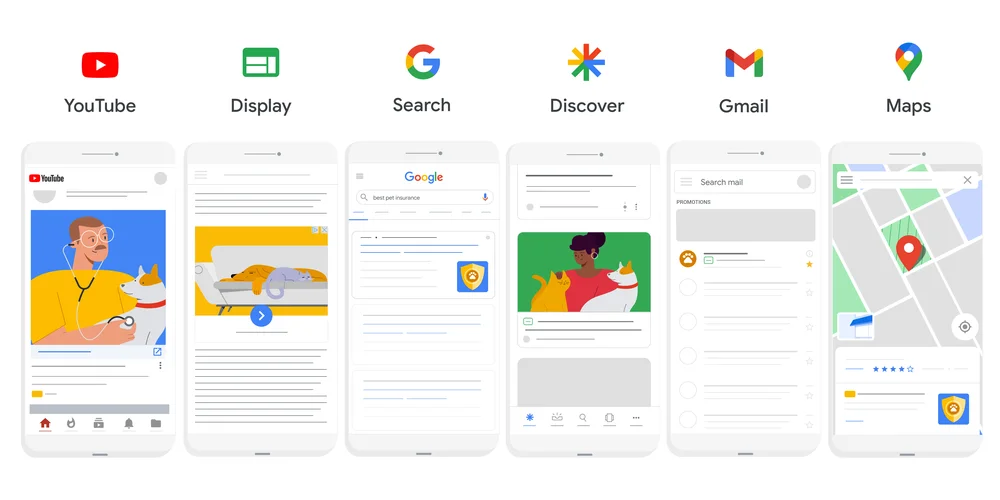
Google Ads Performance Max (PMax) campaigns promise a lot - automation, broad reach, and the magic of machine learning taking care of audience targeting and placements. The idea sounds great: just set it and forget it, let the system do its thing, and watch the conversions roll in. But what happens when you hand over full control with little to no guidance?
... Continue reading
Posted in Marketing
Tagged ad placements, ads algorithm, ads campaign strategy, ads exclusions, ads restrictions, audience signals, audience targeting, automated Google Ads, automation, boost performance, broad reach, conversions, creative assets, google ads, Google Ads budget waste, Google Ads conversions, google ads performance max, google ads tips, high-intent search terms, keywords, learning period, machine learning, optimize Performance Max, Performance Max audience signals, Performance Max best practices, Performance Max campaigns, PMax, PPC campaign mistakes, target audience, well-structured asset groups
Leave a comment
Why Adding a Specific Year in Your Blog Post Titles (Like “Best Website Builder in 2025”) Boosts Your SEO
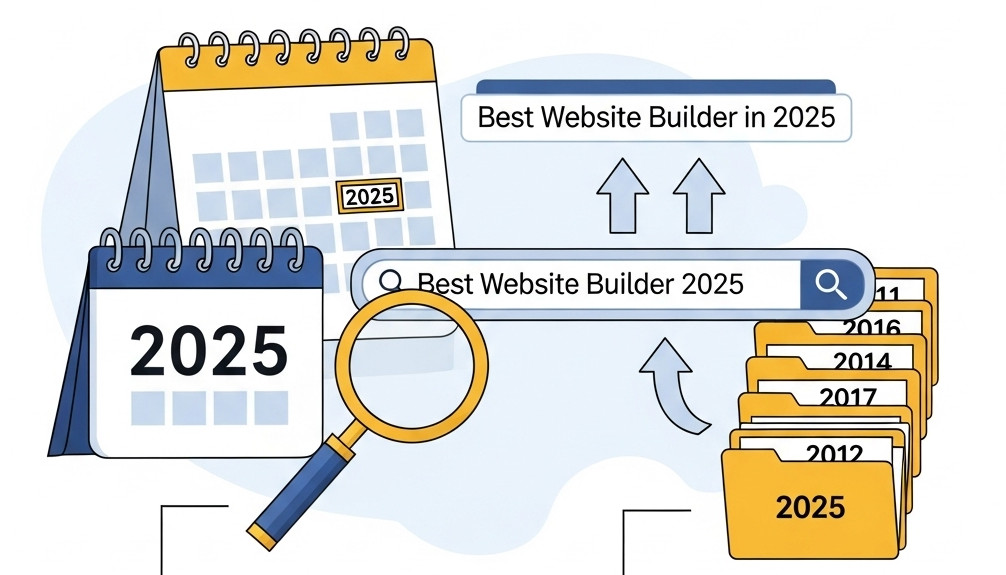
"Should I add the year in blog post titles or keep them evergreen?"
In our previous post, we explored the power of evergreen content - articles designed to stay relevant and valuable long after they’re published. Evergreen posts are fantastic for building lasting traffic because they don’t lose relevance quickly.
But here’s the flip side: sometimes, adding a specific date or year in your blog post titles can dramatically boost your SEO and user engagement.
Think of it this
... Continue reading
10 Expert Tips for Writing SEO-Friendly Blog Content
Want your blog to rank higher and attract more readers? These 10 expert tips will help you write SEO-friendly content that gets noticed by both search engines and your audience.
1. Start with Keyword Research
Use tools like Google Keyword Planner, Ahrefs, or Ubersuggest to find keywords your target audience is searching for. Focus on a primary keyword and related secondary keywords to guide your content.
Related: Think Twice Before Using Ahrefs’ New Web Analytics: Are You Giving Away
... Continue reading