







-
Recent Posts
- “My Partner Wants to Use WordPress Because 50% of the Web Uses It. Help!”
- Does EmDash Solve WordPress’s Problems, or Do You Need UltimateWB?
- How Not to Use AI: Stanford University Can Tell You
- Best Website Builder for SEO: WordPress vs. Wix vs. UltimateWB
- How to Make Sure Your Website Colors Have Enough Contrast for Accessibility
- Mobile-Friendly Website Checklist: 20 Things to Check
- Beehiiv Website Builder Review: The Problem Isn’t the Design – It’s the Lack of Control
- Elementor’s “Angie” AI Is More Than Bloat: Credits, Subscriptions, and a Growing Platform Problem
- How to Pass Google Business Profile Video Verification for Service Businesses
- The Great Deskilling: Why AI Dependence is Turning Developers into Prompt Babysitters
- The Three-Month Fuse: The Everest Forms Pro Attack and Why a Patched Plugin Can Still Put Websites at Risk
- Computer Screen Has Black Bars on the Sides: How to Fix It
- Could AI Make Humans Extinct Within the Next Decade?
- Is Weebly Getting Out of the Website-Builder Business?
- Are You “Leaking SEO” by Linking to Other Websites?
- Wix Harmony Is Now in Google Gemini. So Why Are Users Still Complaining?
- When AI Sounds Confident but Gets It Wrong: The Mount Shasta Rescue
- When AI Agents Start Working Together, Who Is Really in Control?
Categories
Tag Archives: internal links
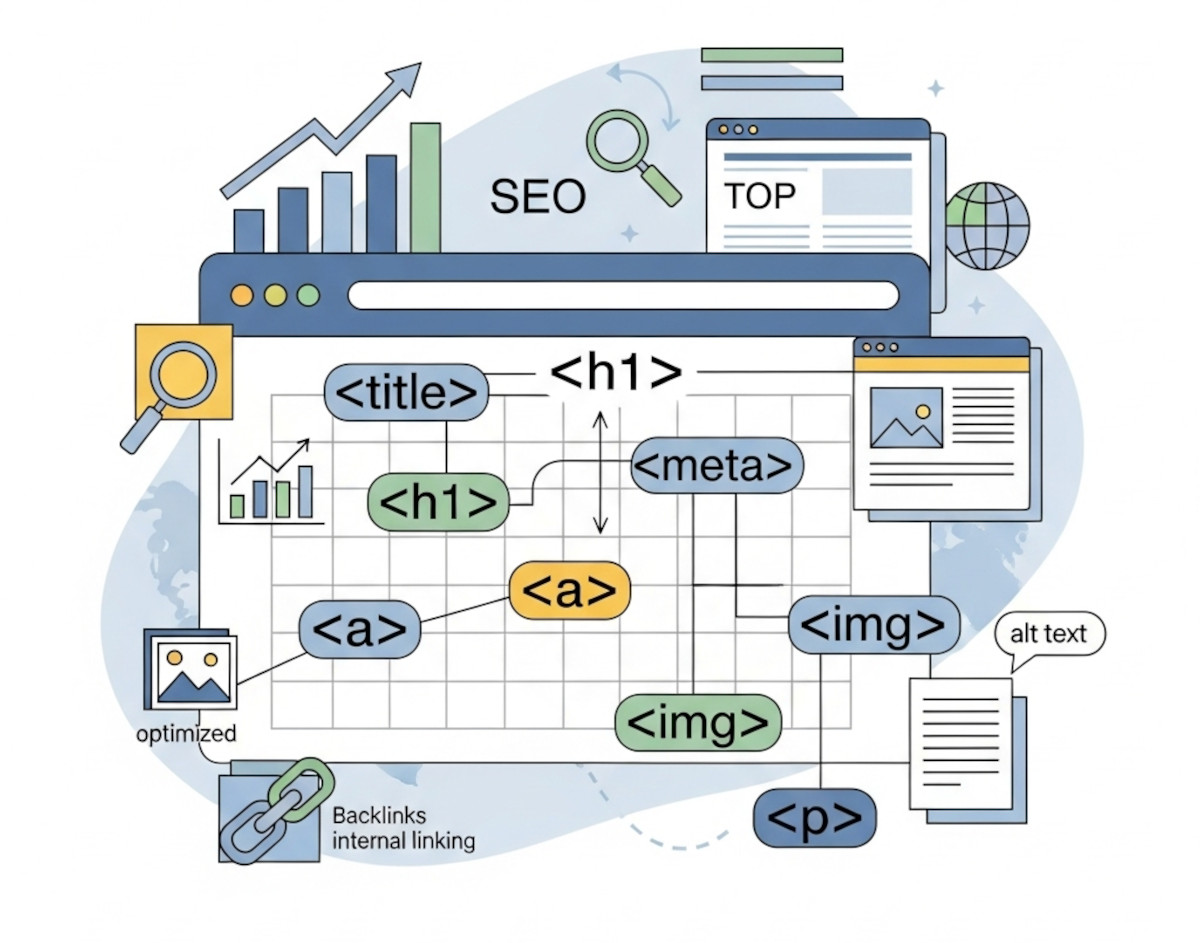
How Clean HTML Can Boost Your SEO (Even Without Coding)

Simple HTML structure tips that can help your site rank better - no coding required
When it comes to SEO, most people think about keywords, backlinks, and blog content. But one of the most overlooked factors behind how your site ranks is the HTML structure.
Even if you’re using a website builder like UltimateWB and never write a line of code, the way your HTML is set up still matters - a lot. The awesome thing
... Continue reading
Posted in Search Engine Optimization (SEO)
Tagged accessibility, alt tag, authority, backlinks, bold, boost traffic, build trust, clean code, click-through rate, ctr, emphasized content, external links, footer, header, headings, high-quality content, html, internal links, italic, keywords, meta description, nav, search engine optimization, search engine ranking, section, semantic tags, seo, structured data, title tag, user experience, valid html
Leave a comment
7 Underrated SEO Strategies That Actually Drive Traffic (With Examples)

When it comes to SEO, the advice often sounds the same: write great content, build backlinks, optimize title tags, speed up your site. While those are foundational, some of the most powerful wins come from lesser-discussed tactics that deliver real results - sometimes with very little effort.
Here are 7 underrated SEO strategies that are actually working for real site owners and marketers right now:
1. Seed Backlinks Through Free Stock Photo Platforms
If you take high-quality,
... Continue reading
Posted in Search Engine Optimization (SEO)
Tagged backlinks, boost ranking, boost traffic, build backlinks, content update strategy, faq, frequently asked questions, Google Search Console, high-quality content, internal linking, internal links, long-tail keywords, organic backlinks, organic traffic, pexels, q&a, search engine optimization, search intent, seo, seo strategies, seo tips, SEO tips 2025, stock photo backlinks, target keywords, title tag, title tag length, title tags, traction, underrated SEO, unsplash, website speed
Leave a comment
AIO vs GEO vs SEO: What’s the Difference – and How to Optimize for All Three

If you’ve been online lately and you're a web dev like me, you’ve probably heard a lot of hype around AIO (AI Optimization) and GEO (Generative Engine Optimization). These buzzwords are being tossed around as the "new SEO" — but what do they actually mean? And how do they differ practically from traditional SEO?
If you’ve found yourself scratching your head, this post is for you. Let's break it down and get real about what AIO/GEO mean, how
... Continue reading
Posted in Search Engine Optimization (SEO)
Tagged ai optimization, AI tools, AI-generated content, ai-generated snippets, aio, author, authority, authority signals, backlinks, brand mentions, brand visibility, chatgpt, content clustering, faq, faq sections, featured snippets, forums, generative engine optimization, geo, google ai overviews, Google Business Profile, Google rich snippets, google's ai overview, headings, high-quality content, how-to, internal linking, internal links, keyword research, large language models, llm, mobile friendly, natural language, new seo, organization, perplexity.ai, quora, reddit, responsive, responsive app, schema, schema markup, schema.org, search engine optimization, search engines, seo, structured data, subheadings, technical performance, title tag, topical authority, trust, usability, visibility, website speed, wikidata, wikipedia
Leave a comment
How to Increase Website Domain Authority Fast?

Short Answer: Focus on technical SEO (speed, mobile-friendliness, indexing), publish high-quality content that earns backlinks, build relationships for guest posting and PR, fix bad links, and aggressively promote your content. Avoid spammy tactics - DA rises when you build real value and visibility.
Domain Authority (DA) is a comparative metric developed by Moz that predicts how likely a website is to rank on search engine result pages (SERPs). While it is a third-party score and not an official Google
... Continue reading
Posted in Ask David!, Search Engine Optimization (SEO)
Tagged ahrefs, ahrefs site audit, alsoasked, answerthepublic, authority, backlinks, boost visibility, bounce rates, buy backlinks, call to action, clean code, domain authority, easy navigation, fast loading times, google disavow links tool, Google Search Console, Google Trends, HARO, help a b2b writer, help a reporter out, high-quality content, indexing, internal links, long-tail keywords, mobile-friendly, newsletters, organic traffic, ranking factor, responsive, responsive app, screaming frog, search engine optimization, search engine result pages, seo, seo tips, serps, sitemap, sitemap generator, social media, target keywords, technical seo, user engagement, user experience
Leave a comment
Why Isn’t My Page Indexed on Google Yet?

UltimateWB is designed for fast indexing and strong SEO performance, so most pages get picked up by Google quickly. But if you’re checking on a new page or blog post and it hasn’t shown up yet - or if you just want to make sure everything’s on track - this article explains what might cause a delay and what you can do about it.
Sometimes it’s just a matter of time. But in other cases, something might be holding Google
... Continue reading
Posted in Ask David!, Search Engine Optimization (SEO)
Tagged clean code, content not showing on Google, crawl, crawl errors, get indexed on Google, Google crawl troubleshooting, Google Search Console, headings, high-quality content, improve Google indexing, indexing, indexing issues, internal links, keywords, noindex tag, relevant keywords, robots.text, search engine optimization, seo, seo tips, sitemap, sitemap generator, sitemap submission, target keywords, technical seo, url inspection tool, why page not indexed
Leave a comment
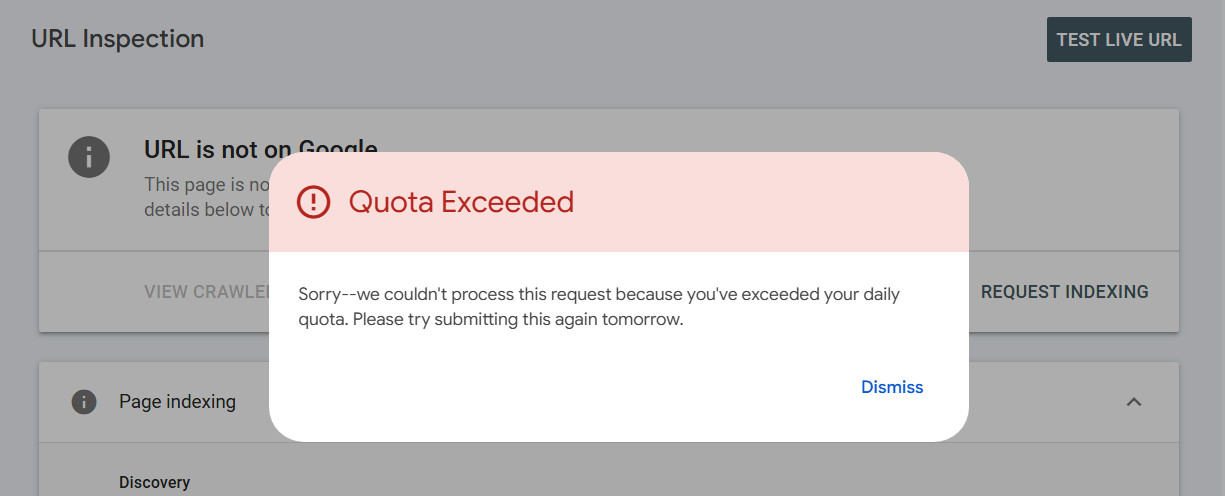
How Many URLs Can You Submit to Google Search Console Per Day?

If you’ve ever tried to speed up how fast Google indexes and ranks your website pages, you’ve probably used the URL Inspection Tool in Google Search Console. It’s super handy - you plug in a URL, hit “Request Indexing,” and boom, you’ve told Google, “Hey, check this out!...(and please index and rank it ASAP!)”
But if you go a little overboard with it, you might run into this
... Continue readingHow to Write a Great Blog Post That Ranks on Google?

Introduction: What Makes a Blog Post Great?
Writing a great blog post involves more than just good writing - it’s about creating valuable, well-structured, and SEO-friendly content that solves your readers’ problems. Whether you're blogging for business, content marketing, or personal branding, these tips will help you write blog posts that rank on Google and engage your audience.
1. Identify Your Target Audience
Understanding your audience is key to writing successful blog posts. Ask yourself:
- Who are you writing for?
Posted in Ask David!, Search Engine Optimization (SEO), Web Content
Tagged build traffic, call to action, click-through rates, click-worthy title, credibility, external links, fast loading times, featured snippet, google keyword planner, google search engine ranking, grammarly, headings, hemingway, internal links, keywords, mobile-friendly, rank on google, readability, responsive, responsive app, search engine optimization, search engine ranking, seo, seo topis, seo-friendly, target audience, target keywords, technical seo, ubersugest, user experience
Leave a comment
Do You Need a Lot of Text on Your Website to Rank on the First Page of Google?

When it comes to ranking on the first page of Google, one common question many website owners and digital marketers ask is: “Do I need a lot of text on my website to rank well?” The answer isn’t a simple yes or no - it depends on a variety of factors, including the nature of your content, user intent, and SEO best practices.
Quality Over Quantity
Let’s start by debunking a myth: more text doesn’t automatically mean better rankings. Google’s
... Continue reading
Posted in Ask David!, Search Engine Optimization (SEO), Web Content
Tagged authority, backlinks, bounce rate, easy navigation, fast loading times, google algorithm, google search engine ranking, headings, helpful content, high-quality content, internal linking, internal links, long content, long-form content, meta descriptions, mobile friendly, mobile-friendly, multimedia content, on-page optimization, page experience, quality over quantity, relevance, responsive, responsive app, search engine optimization, search engine ranking, seo, SEO best practices, seo strategies, target keywords, user engagement, user intent, website speed
Leave a comment
Subdomain vs Subfolder: What’s Better for SEO and Your Website Setup?

Deciding between subfolders and subdomains for your website structure
When expanding your website, you might face a classic web architecture question:
Should I create a subdomain (e.g., blog.example.com) or a subfolder (e.g., example.com/blog)?
In the past, many SEO experts recommended subfolders because they were thought to inherit more SEO authority from the main domain. However, Google has officially stated that it does not inherently favor subdomains or subfolders - both can perform equally well for SEO if implemented properly. The
... Continue reading
Posted in Ask David!, Search Engine Optimization (SEO)
Tagged analytics, architecture, authority, backlink profile, backlinks, boost seo, branding, domain authority, drive traffic, duplicate content, faster indexing, internal linking, internal links, organic traffic, plugin vulnerabilities, regional content, search engine optimization, security risks, seo, seo authority, sitemap, sitemap generator, subdomain, subdomain vs subfolder, subfolder, targeting, user experience, website setup, website structure
Leave a comment
10 Expert Tips for Writing SEO-Friendly Blog Content
Want your blog to rank higher and attract more readers? These 10 expert tips will help you write SEO-friendly content that gets noticed by both search engines and your audience.
1. Start with Keyword Research
Use tools like Google Keyword Planner, Ahrefs, or Ubersuggest to find keywords your target audience is searching for. Focus on a primary keyword and related secondary keywords to guide your content.
Related: Think Twice Before Using Ahrefs’ New Web Analytics: Are You Giving Away
... Continue reading