




-
Recent Posts
- “My Partner Wants to Use WordPress Because 50% of the Web Uses It. Help!”
- Does EmDash Solve WordPress’s Problems, or Do You Need UltimateWB?
- How Not to Use AI: Stanford University Can Tell You
- Best Website Builder for SEO: WordPress vs. Wix vs. UltimateWB
- How to Make Sure Your Website Colors Have Enough Contrast for Accessibility
- Mobile-Friendly Website Checklist: 20 Things to Check
- Beehiiv Website Builder Review: The Problem Isn’t the Design – It’s the Lack of Control
- Elementor’s “Angie” AI Is More Than Bloat: Credits, Subscriptions, and a Growing Platform Problem
- How to Pass Google Business Profile Video Verification for Service Businesses
- The Great Deskilling: Why AI Dependence is Turning Developers into Prompt Babysitters
- The Three-Month Fuse: The Everest Forms Pro Attack and Why a Patched Plugin Can Still Put Websites at Risk
- Computer Screen Has Black Bars on the Sides: How to Fix It
- Could AI Make Humans Extinct Within the Next Decade?
- Is Weebly Getting Out of the Website-Builder Business?
- Are You “Leaking SEO” by Linking to Other Websites?
- Wix Harmony Is Now in Google Gemini. So Why Are Users Still Complaining?
- When AI Sounds Confident but Gets It Wrong: The Mount Shasta Rescue
- When AI Agents Start Working Together, Who Is Really in Control?
Categories
Tag Archives: crawl
When Should I Start SEO For My New Website?

If you’re launching a new website, chances are you’ve already heard about SEO - Search Engine Optimization. You know it’s important. You know it helps people find you on Google. But when exactly should you start doing SEO?
Short answer: Yesterday...or weeks ago...
Long answer: The moment you start planning your website - not after it’s built.
Let’s dig into why starting SEO early matters, and how to do it right from day one.
Why Early SEO Matters
... Continue reading
Posted in Ask David!, Search Engine Optimization (SEO)
Tagged ahrefs, backlinks, beginner SEO guide, boost conversions, boost traffic, clean url, crawl, early SEO tips, easy navigation, fast-loading times, fresh content, generate leads, google analytics, Google Business Profile, google keyword planner, Google Search Console, google search engine ranking, headers, headings, high-quality content, index, keyword research, keywords, local seo, meta description, mobile-friendly, search engine optimization, seo, SEO checklist, SEO for new website, SEO website launch, site structure, sitemap, sitemap generator, target keywords, title tag, trust, ubersuggest, visibility, webp, webp converter, website SEO strategy, website speed, when to start SEO
Leave a comment
Can Technical SEO Issues Trigger HCU Penalties? Here’s What You Should Know

When Google rolls out a major algorithm update like the Helpful Content Update (HCU), many websites see fluctuations in their rankings. While HCU is mostly designed to reward content that is written for humans, not for search engines, some technical SEO issues can inadvertently make your site look less helpful to users - and that could get you caught in the crossfire.
After analyzing several SEO case studies and forums, and from personal experience fixing penalized sites,
... Continue reading
Posted in Ask David!, Search Engine Optimization (SEO)
Tagged .htaccess, 301 redirect, 404 errors, broken pages, core web vitals, crawl, crawl errors, crawl traps, crawlability, defer js, duplicate content, fast loading times, free ssl, hcu, hcu penalties, helpful content update, high-quality content, htaccess, htaccess redirects, internal links, javascript, meta robots, mobile-friendly test, noindex, outbound links, redirect loops, rich results test, robots.txt, screaming frog, search engine optimization, search engine ranking, seo, seo issues, speed, ssl, technical seo, thin content, trust, user experience, webp, webp converter
Leave a comment
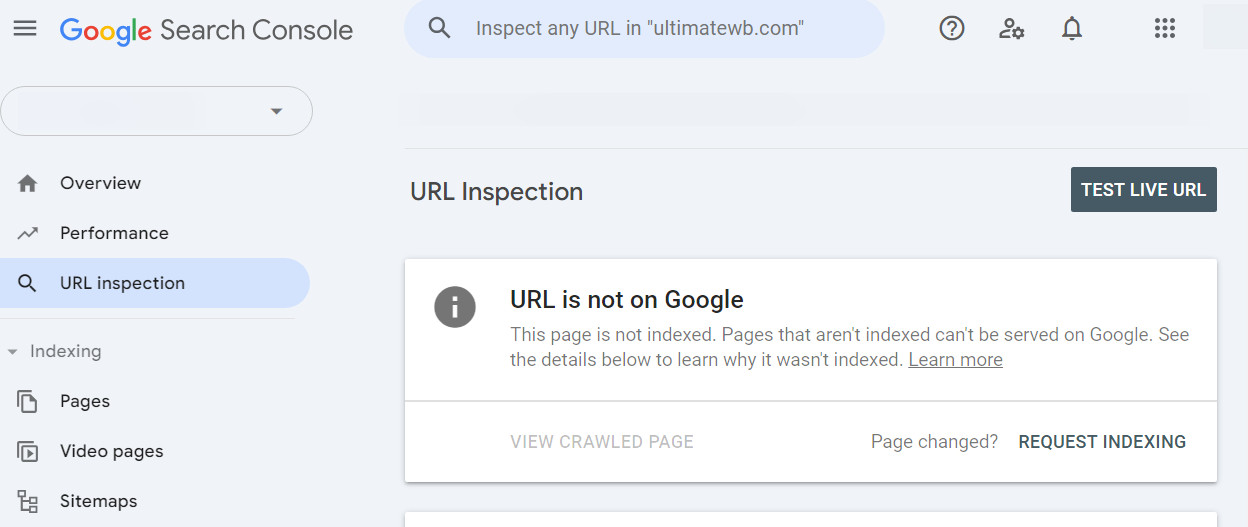
How long does it take Google to index a page after you request indexing the page on Google Search Console?

Google doesn't guarantee a specific timeframe for indexing a page after you request it through Google Search Console. There are several factors at play, but here's a general idea:
- Initial Crawl: It can take anywhere from a few days to a week for Google to even discover and crawl your submitted URL.
- Indexing Decision: After crawling, Google analyzes the content and may not index it for various reasons (duplicate content, low quality, etc.).
- Website Health: If your website is
Posted in Ask David!, Search Engine Optimization (SEO)
Tagged backlinks, crawl, Google Search Console, high-quality content, increased visibility, index coverage report, indexing, internal linking, mobile-friendly, repsonsive, responsive app, sitemap, sitemap generator, social media, social signals, url inspection tool
Leave a comment
What techniques do you use to improve website crawlability and indexability?

Good question! A well-designed website is only half the battle. For your website to truly thrive online, it needs to be seen by search engines and potential visitors. This is where crawlability and indexability come into play...
Conquer the Crawl: Techniques to Boost Website Crawlability and Indexability
Simply put, crawlability refers to how easily search engine bots (also known as crawlers) can navigate and access your website's content. Indexability determines whether those crawled pages are deemed worthy of inclusion in
... Continue reading
Posted in Ask David!, Search Engine Optimization (SEO)
Tagged analytics, backlinks, content creation, content is king, crawl, crawlers, engagement, fast loading times, Google Search Console, indexing, interactive, mobile friendly, organic traffic, responsive, responsive app, search engine crawl, search engine optimization, search engine optimization tips, search engine results pages, seo, serps, sitemap, sitemap generator, website speed, xml sitemap
Leave a comment
Do sitemaps help SEO rankings?

Yes, sitemaps help SEO rankings. A sitemap is a file that lists all of the pages on your website. Submitting your sitemap to Google Search Console helps Google to find and index all of your pages.
This is important because Google uses its index to rank websites in search results. If a page on your website is not indexed by Google, it will not appear in search results.
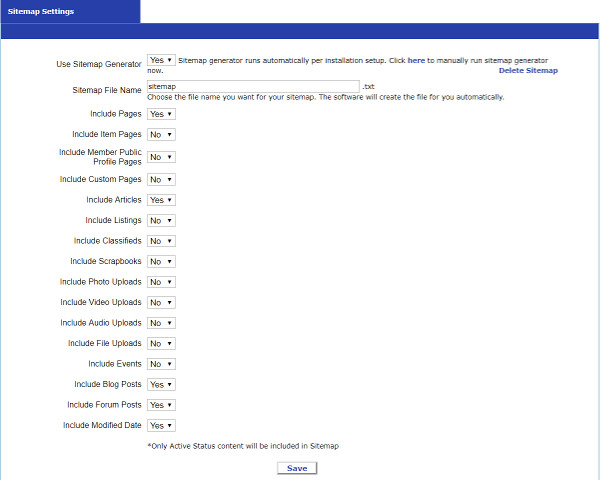
UltimateWB has a built-in Sitemap Generator that makes
... Continue readingWhat’s the Best Website Builder for SEO?

Looking for the best website builder for SEO? If you want to rank high on Google, the builder you choose can make or break your site’s success. Some make it harder to optimize your site’s performance, speed, and structure. Others require third-party plugins that add unnecessary bloat and potential security risks.
If you're looking for a builder that's optimized for search engines right out of the box, UltimateWB is the clear winner. Let’s break down what makes a website builder
... Continue reading
Posted in Ask David!
Tagged accessibility, accessibility signals, alt tags, best website builder for seo, bloat, boost ranking, bounce rate, clean code, clean urls, core web vitals, crawl, engagement, fast loading times, fast website, faster indexing, high-quality content, index, keywords, lazy load images, lazy loading, meta description, meta tags, meta title, mobile-friendly, page title, pagespeed insights, pretty urls, responsive, responsive app, search engine crawl, search engine optimization, search engine ranking, security issues, seo, sitemap, sitemap generator, speed, styles manager, third-party plugin, user-friendly, W3C Markup Validation Service, W3C validation, webp, webp converter, website builder, WordPress, xml, xml sitemap
Leave a comment