



-
Recent Posts
- “My Partner Wants to Use WordPress Because 50% of the Web Uses It. Help!”
- Does EmDash Solve WordPress’s Problems, or Do You Need UltimateWB?
- How Not to Use AI: Stanford University Can Tell You
- Best Website Builder for SEO: WordPress vs. Wix vs. UltimateWB
- How to Make Sure Your Website Colors Have Enough Contrast for Accessibility
- Mobile-Friendly Website Checklist: 20 Things to Check
- Beehiiv Website Builder Review: The Problem Isn’t the Design – It’s the Lack of Control
- Elementor’s “Angie” AI Is More Than Bloat: Credits, Subscriptions, and a Growing Platform Problem
- How to Pass Google Business Profile Video Verification for Service Businesses
- The Great Deskilling: Why AI Dependence is Turning Developers into Prompt Babysitters
- The Three-Month Fuse: The Everest Forms Pro Attack and Why a Patched Plugin Can Still Put Websites at Risk
- Computer Screen Has Black Bars on the Sides: How to Fix It
- Could AI Make Humans Extinct Within the Next Decade?
- Is Weebly Getting Out of the Website-Builder Business?
- Are You “Leaking SEO” by Linking to Other Websites?
- Wix Harmony Is Now in Google Gemini. So Why Are Users Still Complaining?
- When AI Sounds Confident but Gets It Wrong: The Mount Shasta Rescue
- When AI Agents Start Working Together, Who Is Really in Control?
Categories
Tag Archives: browser compatibility
The Curious Case of an Internet Explorer 11 Visitor in 2025

It’s late 2025 - you’d probably assume everyone browsing the web is on Chrome, Safari, Edge, or Firefox. And for the vast majority of sites, that is true. But recently we spotted a visitor using Internet Explorer 11 - the last major version of “IE” - and it reminded us that even discontinued browsers aren’t completely gone.
Earlier this year, we shared how someone landed on our website using IE9 - a browser from 2011! That visit
... Continue reading
Posted in Announcements
Tagged accessibility, awstats, browser compatibility, Browser usage trends, chrome, clean code, compatibility, cross browser compatibility, css, edge, fast load times, fast website, firefox, google analytics, html, ie 11, IE11 traffic, internet explorer, Internet Explorer 11, javascript, Legacy browsers, mobile-friendly, outdated browsers, polyfills, Progressive enhancement, responsive, safari, security risks, web browser, web standards, website compatibility
Leave a comment
Valid HTML Matters: How Clean Code Boosts SEO, Accessibility, and Trust

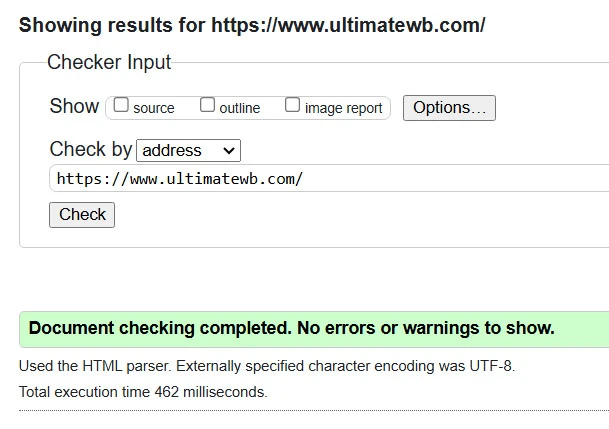
If you’ve ever been told you’re being too picky for caring about your website’s HTML validation, you’re not alone. Some developers brush off invalid code as “harmless,” and non-tech folks might even label you as having a bit of OCD. But here’s the truth: caring about clean, valid HTML isn’t obsessive -
... Continue reading
Posted in Accessibility, Search Engine Optimization (SEO)
Tagged accessibility, boost seo, bots, brand identity, browser compatibility, content structure, core web vitals, crawl, crawlability, cross-device compatibility, easy maintenance, fast loading times, index, invalid code, maintenace, ocd, pagespeed insgihts, pagespeed insights, professional, ranking, scalability, search engine optimization, search engine optimization tips, seo, seo tips, site maintenance, valid html, website speed
Leave a comment
Browsers People Use to Visit Your Website – And the Surprise Visitor We Got This Week

It's Spring 2025. You might think everyone is browsing the web with the latest version of Chrome, Safari, or Firefox these days - but that’s not always the case. In fact, we recently had a surprising visit from someone using Internet Explorer 9.0. Yep, IE 9, which was released in 2011 and officially discontinued by Microsoft years ago, is still making rare appearances on the web.
This unexpected visit inspired us to dive deeper into what browsers users
... Continue reading
Posted in Website Traffic
Tagged accessibility, all browser-friendly, apple safari, bloat, browser compatibility, browser usage, css3, fallbacks, google analytics, google chrome, html5, ie, internet browsers, internet explorer, microsoft, microsoft edge, mobile-friendly, modern browsers, modern code, modern web standards, mozilla firefox, opera, optimize website, outdated coding practices, polyfills, responsive, responsive app, site performance, standardized code, The W3C Markup Validation Service, webp, webp converter, website performance, website traffic, website visitors
Leave a comment
WebP vs. JPG/PNG: Should You Use Fallback Images for Compatibility?

Optimizing images for performance is crucial. It is one of the scoring factors on Google's PageSpeed Insights, making it important for search engine optimization too. One of the biggest decisions web developers and website owners face is whether to upload images exclusively as WebP or provide JPG/PNG fallback versions for compatibility. The UltimateWB website builder makes it easy to create WebP images and include JPG/PNG fallback versions in the code with the click
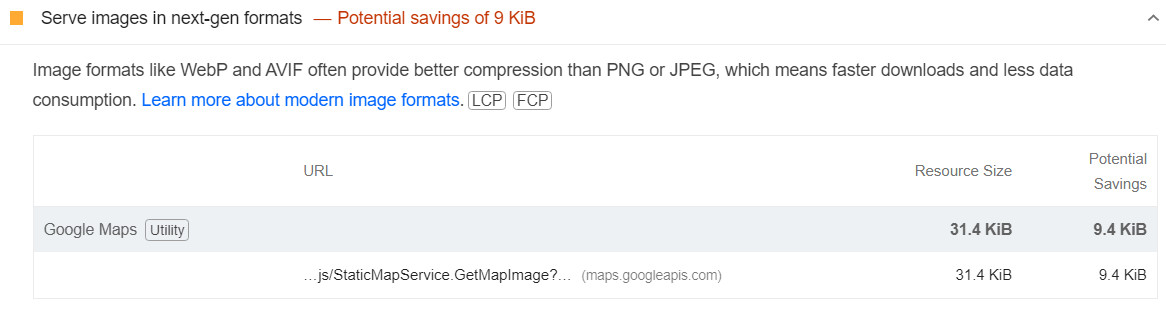
... Continue readingWhy Doesn’t Google Maps Use WebP? A Deep Dive

WebP: A Modern Image Format
WebP, a modern image format developed by Google, offers superior lossy and lossless compression compared to traditional formats like JPEG and PNG. This translates to smaller file sizes, faster loading times, and reduced data consumption. UltimateWB offers WebP support, with easy tools to automatically convert images to WebP. Given Google's pioneering role in
... Continue readingWhat are the advantages / disadvantages of replacing all the .mp4 videos on the website with .webm?

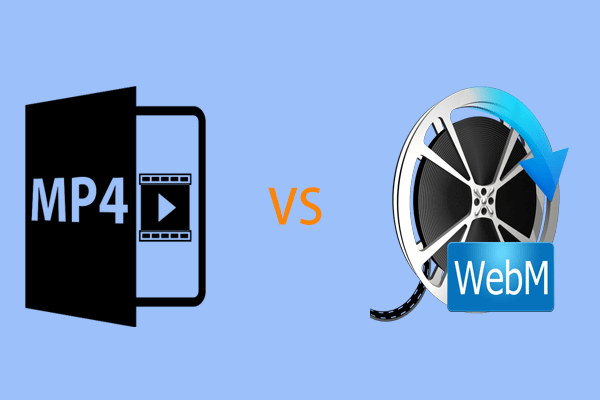
There are both advantages and disadvantages to consider when switching all your website's videos from .mp4 to .webm format:
Advantages:
- Reduced File Size and Faster Loading: WebM uses codecs (VP8 or VP9) designed for efficient web streaming. This translates to smaller file sizes compared to .mp4 with similar video quality. Smaller files lead to faster loading times, improving user experience and website performance.
- Open Format, Encoded Content: Both WebM and MP4 are technically open container formats, meaning their specifications are
Posted in Ask David!, Website Design
Tagged browser compatibility, fallbacks, fast loading times, faster loading, mp4, reduced file size, videos, webm
Leave a comment