


Short Answer:
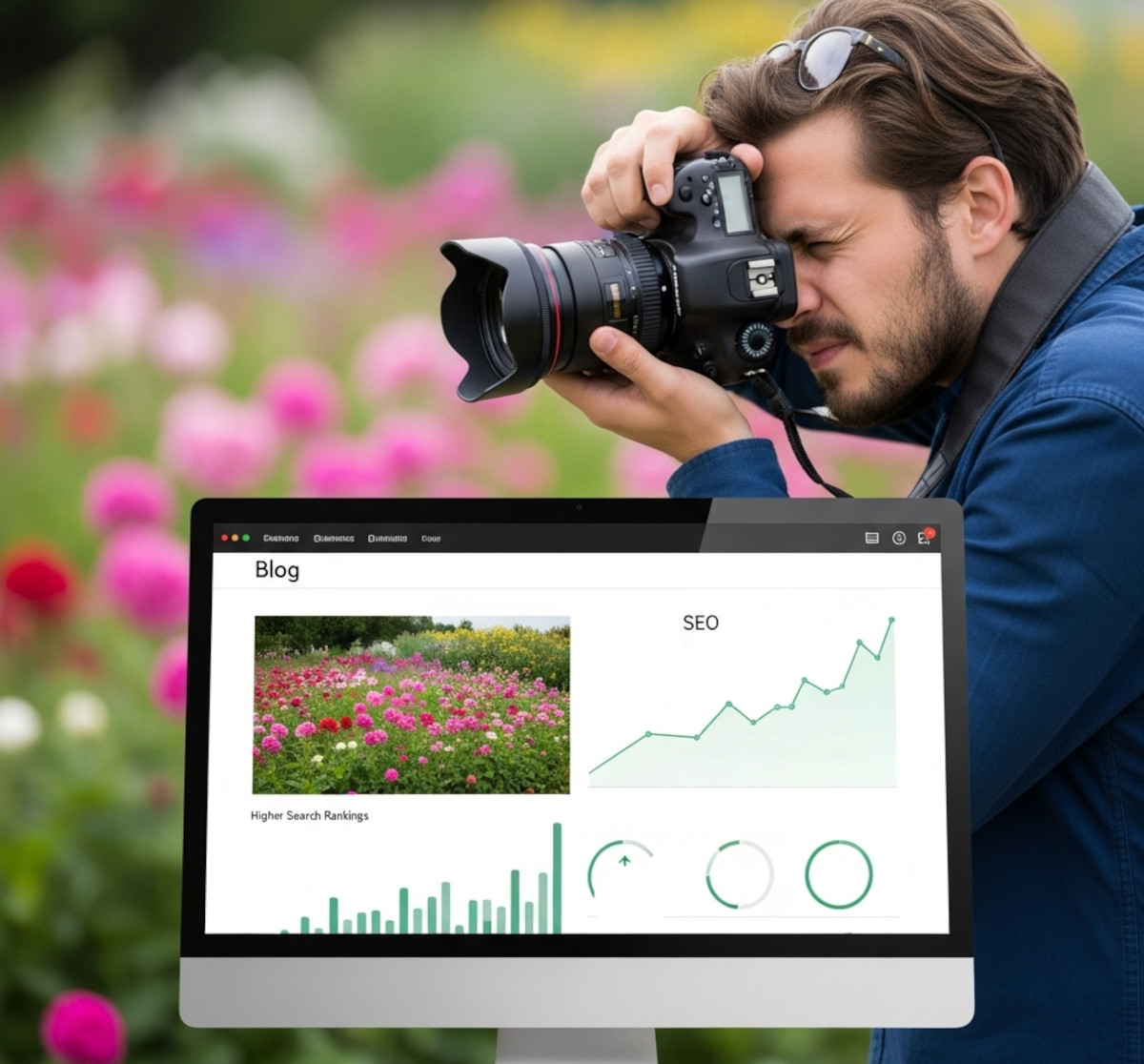
Images can significantly boost your website’s SEO by improving engagement, visibility, and context. Skipping them won’t get you penalized — but it might cost you traffic and performance.
The Role of Images in SEO: A Deeper Look
Images are more than just decoration – they can be powerful tools for improving your content’s performance in search engines. Whether you’re publishing a blog post or building a standard webpage, images can influence everything from how long people stay on your site to how easily your content is found in Google.
1. Enhanced User Experience
Well-placed, relevant images make content more digestible. They break up large blocks of text, support your message visually, and keep visitors engaged – which all contribute to lower bounce rates and higher dwell time.
Related: How to Keep Bounce Rate in Check? Tips for a Successful Website
2. Improved Content Comprehension
Images can explain concepts better than words alone. Infographics, screenshots, product photos, or illustrations often help users better understand your message – and that’s something search engines reward.
Who doesn’t love a good children’s book? Jeopardy! champ James Holzhauer once said he used them to study for the show. It worked for him – and it can work for your website visitors too.
3. SEO-Friendly Optimization Opportunities
Images offer additional surfaces for SEO signals through:
- Descriptive file names
- Keyword-rich alt text
- Meaningful captions
- Contextual relevance in surrounding content
These help search engines better understand your page content and boost on-page SEO.
4. Visibility in Google Image Search
By optimizing your images, your pages can also rank in Google Image Search – another way to drive traffic. Pages without images simply miss out on this opportunity.
5. Boosting Social Sharing and CTR
Posts and pages with images perform better on social media and in search result snippets. A strong visual thumbnail can significantly increase your click-through rate (CTR).
Related: What is a good CTR (click-through rate) for search engine keywords?
What Happens If You Don’t Use Images? Does it hurt your SEO?
While you won’t get penalized directly for skipping images, it can hurt your SEO indirectly by:
- Making your content less engaging
- Losing potential image search traffic
- Failing to reinforce your topic for search engines
- Missing opportunities for keyword targeting
- Hurting your page’s shareability and visual appeal
So, while it’s technically okay not to use images, it’s rarely ideal.
Blog Posts vs Webpages: Is It Different for SEO?
Yes – while many of the principles are the same, how images affect SEO varies slightly depending on the type of content:
| Aspect | Blog Posts | Webpages |
|---|---|---|
| Purpose | Inform, educate, engage | Convert, guide, brand |
| Image Role | Adds context, breaks up text, improves engagement | Supports branding, UX, and trust |
| Frequency | Updated frequently | More static |
| Impact of No Images | Hurts readability and SEO potential | May reduce appeal or trust but can still rank |
- Blog posts thrive on engagement. Images help retain readers, add value, and improve social shares – all of which boost SEO.
- Webpages (like homepages, product pages, or about pages) use images to enhance design, guide users, and build trust. SEO benefits here are more about UX and conversions than shareability.
Related: What Makes a Simple Website Feel Trustworthy? (From Real User Experience, Not Theory)
Stock Photos vs. Original Photos: Does It Matter for SEO?
Yes – the type of image you use also matters.
Original Images = Better Engagement + SEO
Original images (like your own product photos, team pictures, or custom graphics) tend to perform better for SEO and user trust. They’re unique, often more relevant, and help your site stand out. Google prefers content that provides value, and unique images signal originality.
Stock Photos = Okay, But Limited
Stock photos are convenient, but overused images can hurt your credibility and reduce engagement. While they can still help your SEO (especially if properly optimized), they don’t offer the same value or uniqueness that original visuals do.
| Factor | Original Images | Stock Photos |
|---|---|---|
| SEO Value | High (unique content) | Medium (duplicate across many sites) |
| User Trust | Builds authenticity | May seem generic or staged |
| Brand Impact | Strong | Weak or neutral |
Final Thoughts
Images can elevate your content’s performance across the board. For blog posts, they’re nearly essential for engagement and visibility. For webpages, they support trust, branding, and conversions – all of which contribute to SEO in their own way.
So while you can publish content without images, doing so means leaving SEO (and user experience) opportunities on the table.
How do you like our original photo in this post?!
Need a website to post your images to? Learn more about UltimateWB! We also offer web design packages if you would like your website designed and built for you.
Got a techy/website question? Whether it’s about UltimateWB or another website builder, web hosting, or other aspects of websites, just send in your question in the “Ask David!” form. We will email you when the answer is posted on the UltimateWB “Ask David!” section.