





-
Recent Posts
- Thinking About Switching From WordPress? What Should You Consider Before You Move?
- The Airtable Acquisition Raises a Bigger Question: Do You Really Own the Software Your Business Runs On?
- How to Use Google Search Console’s New Generative AI Data to Improve Your SEO
- How to Update the Same Website Content on Multiple Pages at Once
- Discovered vs. Crawled Not Indexed in Google Search Console: What’s the Difference and How to Fix Each
- The Small Business Guide to Auditing Google Ads and Website Costs
- Do Professional Writers Still Need SEO in the Age of AI?
- Search Engine First vs. People First Content: Why Generic FAQ Dumps Harm Your SEO
- Looking for a Website Builder Without AI? Which One Should You Choose?
- Keyword Cannibalization: How to Find and Fix the Pages Stealing Your Own Google Traffic
- Why Great Content Gets Stuck on Page 8 (And How to Fix It)
- Why MySQL FULLTEXT Search Returns 0 Results (And How to Fix It)
- The Reality of Domain Speculation on New TLD Launches: Is It Still Worth It?
- The Hidden Domain Name Lock-In: Which Registrars Restrict Nameservers?
- Paying $10,000 a Month for SEO? Here’s How to Tell If You’re Getting Your Money’s Worth
- Introducing New WordPress Magazine Layouts in UltimateWB 9 (With Early Access)
- How to Fix the WordPress “Critical Error” on the Widgets Page After a PHP Upgrade
- The Hidden Risk of SaaS Website Builders: Lessons from the Recent Wix Outage
Categories
Tag Archives: boost seo
Subdomain vs Subfolder: What’s Better for SEO and Your Website Setup?

Deciding between subfolders and subdomains for your website structure
When expanding your website, you might face a classic web architecture question:
Should I create a subdomain (e.g., blog.example.com) or a subfolder (e.g., example.com/blog)?
In the past, many SEO experts recommended subfolders because they were thought to inherit more SEO authority from the main domain. However, Google has officially stated that it does not inherently favor subdomains or subfolders - both can perform equally well for SEO if implemented properly. The
... Continue reading
Posted in Ask David!, Search Engine Optimization (SEO)
Tagged analytics, architecture, authority, backlink profile, backlinks, boost seo, branding, domain authority, drive traffic, duplicate content, faster indexing, internal linking, internal links, organic traffic, plugin vulnerabilities, regional content, search engine optimization, security risks, seo, seo authority, sitemap, sitemap generator, subdomain, subdomain vs subfolder, subfolder, targeting, user experience, website setup, website structure
Leave a comment
Is Your Website ADA Compliant? What You Need to Know About Accessibility

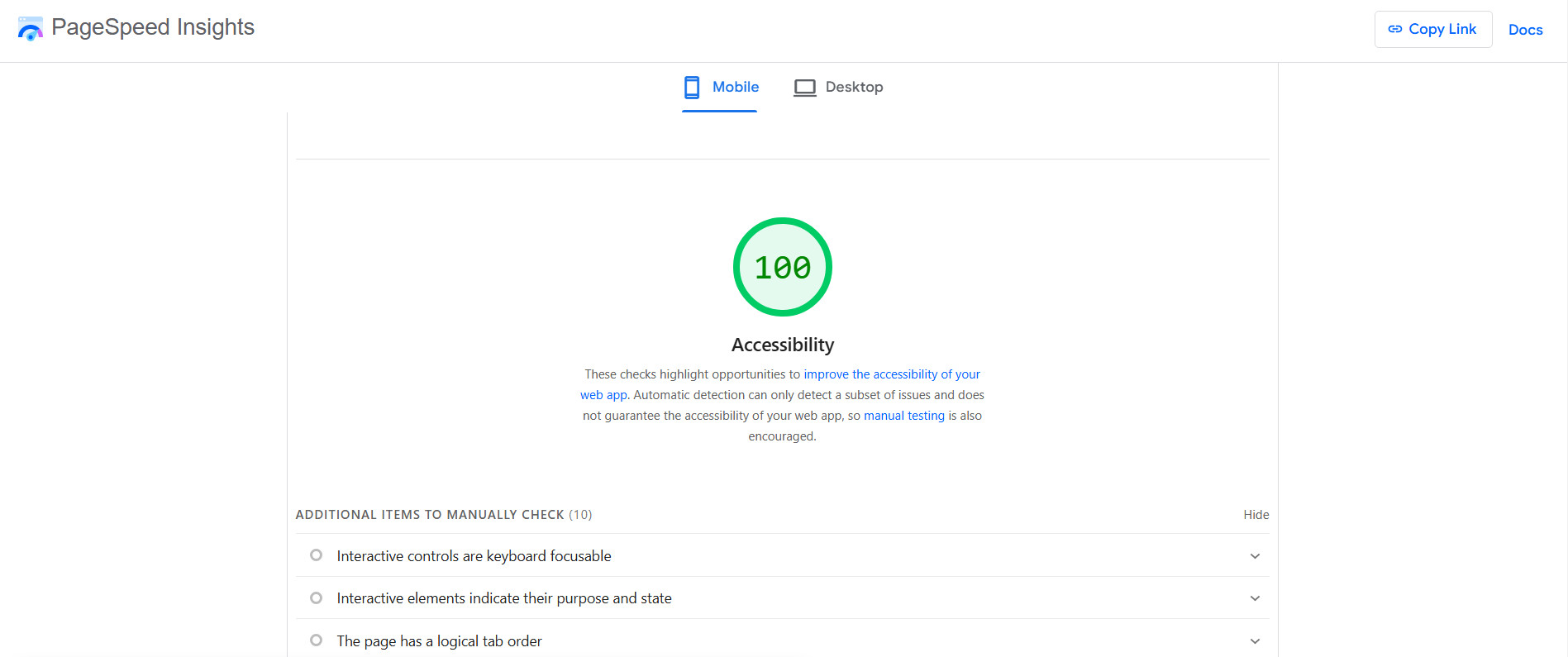
Your website is the face of your brand online, but have you thought about whether everyone can use it? Making your website ADA compliant means ensuring it’s accessible to people with disabilities - and it’s more important now than ever before.
What Is ADA Compliance?
The Americans with Disabilities
... Continue readingIs a blog the best way to build up your SEO and search engine ranking?

A blog is indeed one of the most effective and commonly used methods to build up your SEO (Search Engine Optimization) and improve your search engine ranking. Here's why a blog can be a powerful tool for enhancing your SEO efforts:
1. Fresh and Relevant Content: Search engines love fresh, relevant, and high-quality content. A blog allows you to consistently publish new articles, which can attract both search engine crawlers and users looking for valuable information.
2. Targeted Keywords: Blogs
... Continue readingHow Backlinks Can Actually Hurt Your Website’s SEO, Google PageRank, and Traffic

Imagine this: You hire a marketing company to boost your SEO and get your website onto the first page of Google. At first, things seem to be going great - your traffic grows, your site appears near the top for your key search terms, and your overall rankings improve. But then, suddenly, your website disappears from those top spots. You have to dig deep into Google’s search results to find your own site - or worse, you discover your site
... Continue reading
Posted in Search Engine Optimization (SEO)
Tagged backlinks, black hat strategy, blacklisted, boost seo, boost traffic, build traffic, clean urls, content quality, google page rank, high-quality content, link building, marketing, mobile-friendly, organic backlinks, pagerank, pr, responsive, responsive app, search engine optimization, search engine ranking, seo, trust, user experience, user-friendly, website speed, white hat strategy
1 Comment