


When people visit your website, they’re often looking for quick answers or ways to get in touch. That’s why having clear, easy-to-find information is always important.
But what about long-form content – those detailed, in-depth pages that explain your services or answer lots of questions? Is it always worth the effort?
The answer depends on your business and how customers find you.
When Long-Form Content Makes a Big Difference
Longer, well-structured content helps search engines understand your site better. It lets you naturally include keywords, cover related topics, and answer common questions – which can boost your rankings and bring more visitors.
For example, a landscaping company that writes detailed guides on seasonal lawn care or choosing the right plants can attract people searching for those topics. This can open the door to customers who are researching and comparing options before hiring a pro.
Similarly, a home organizer who explains their process, what to expect during a session, and how to prepare can build trust with visitors and encourage them to reach out.
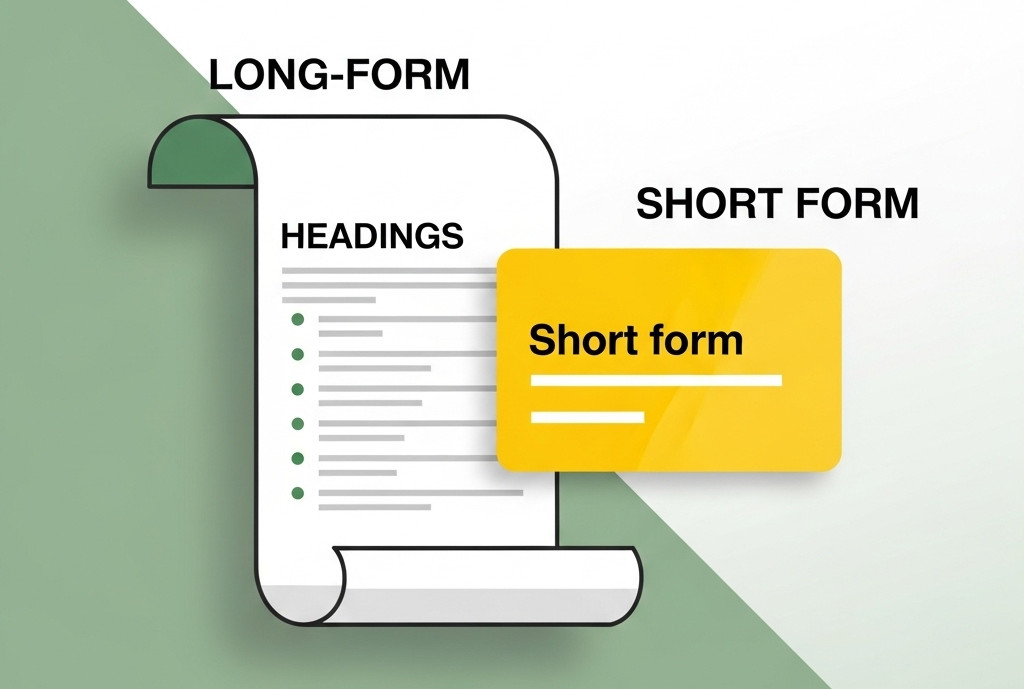
Long-form content also supports visitors with different needs – those who want a quick overview and those who want to dive deep. Clear headings, bullet points, and summaries make it easier for everyone.
When You Might Not Need It – And That’s Okay
For some local services, long-form content may not be essential. Take, for example, a local dentist who recently bought a dental office with a well-established patient base. Most new patients come through word-of-mouth, referrals, or offline marketing efforts like community events and local advertising.
In cases like this, the website often serves as a backup – a place for patients to check hours, location, or basic services. Since the business already enjoys a steady flow of referrals and satisfied customers, investing heavily in long-form content might not move the needle much. The website can also help ease the front desk load, for setting up appointments, or filling in patient forms.
It’s not that long content can’t help at all, but it may not be the best use of time and resources compared to focusing on maintaining excellent patient relationships and offline reputation.
Don’t Forget Calls to Action
Whether your page is long or short, you still want to guide visitors toward the next step – booking an appointment, requesting a quote, or simply contacting you.
Smart calls to action placed throughout your content help turn visitors into customers. This is especially important on longer pages where someone might be reading in stages and need reminders or easy access to get in touch.
What’s the Right Balance?
The key is understanding your audience and business model.
- If you serve customers who research before buying or want detailed info, long-form content can boost your SEO and help convert visitors.
- If you rely mostly on word-of-mouth and repeat business, your site might only need to be a helpful, straightforward resource.
Either way, pairing clear, user-friendly content with easy-to-find CTAs creates a better experience for anyone visiting your site.
In Summary
Long-form content is a powerful tool – but it’s not a one-size-fits-all solution. Knowing when and how to use it will save you time and help grow your business smarter.
Related: What Makes a Website User-Friendly?
Website Design Guide: Building a User-Friendly and Engaging Site
Are you ready to design & build your own website? Learn more about UltimateWB! We also offer web design packages if you would like your website designed and built for you.
Got a techy/website question? Whether it’s about UltimateWB or another website builder, web hosting, or other aspects of websites, just send in your question in the “Ask David!” form. We will email you when the answer is posted on the UltimateWB “Ask David!” section.